
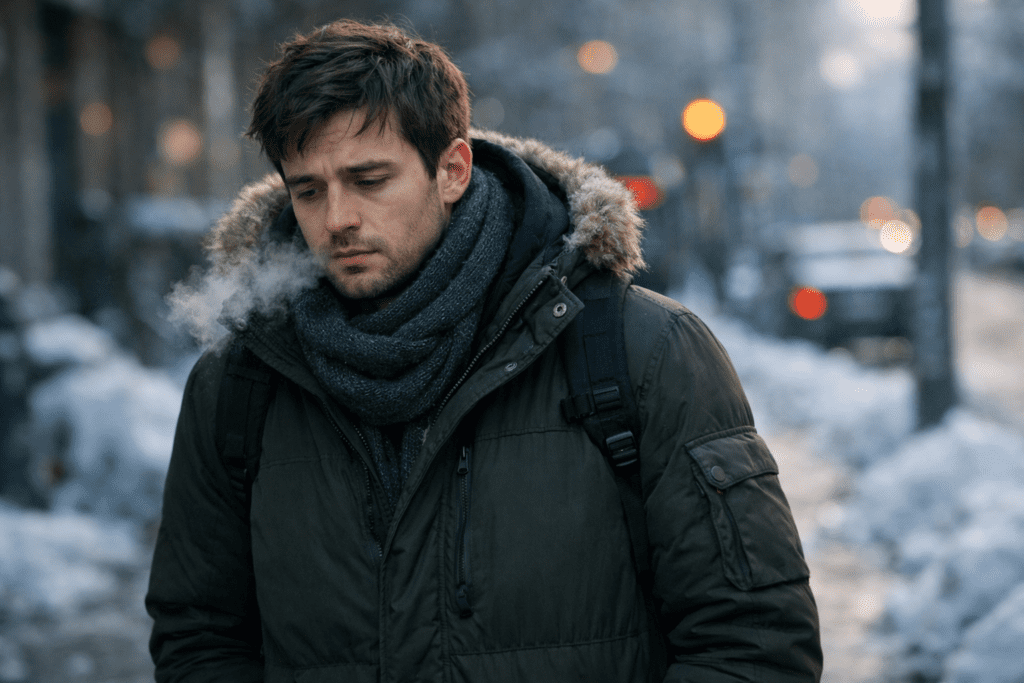
You step outside on a cold winter morning expecting the crisp air to wake you up. At first it feels refreshing. But after spending some time outdoors—walking to work, waiting for transportation, or running errands—you suddenly feel unusually drained. Your body feels heavy, your focus fades, and your energy seems to disappear.
Many people experience this and start wondering: does cold weather make you tired? The answer is yes—under certain conditions. Cold environments trigger multiple physiological responses designed to keep the body alive and maintain a stable internal temperature. These protective responses require energy, and over time they can create noticeable fatigue.
Your body is constantly working to maintain a stable internal environment. When outside temperatures drop, the body activates several systems simultaneously to protect vital organs and maintain core temperature. Although this process happens automatically, it quietly consumes energy and can leave you feeling tired.
Understanding why cold weather fatigue occurs requires examining how the body regulates temperature, circulation, hormones, and metabolism.
What Cold Weather Fatigue Actually Means
Cold weather fatigue happens when exposure to low temperatures forces the body to spend additional energy maintaining its internal temperature. Thermoregulation increases metabolic activity, alters circulation patterns, and shifts hormone balance, which can temporarily reduce stamina, concentration, and alertness.
| Type of Fatigue | Symptoms | Energy Recovery Time | Causes | Impact on Performance |
|---|---|---|---|---|
| ❄️ Cold Weather Fatigue | Heavy body, mental fog, muscle stiffness | 24–48 hours | Thermoregulation, circulation, metabolic energy use | Reduces muscle efficiency, mental focus |
| 🏃♀️ Exercise Fatigue | Sore muscles, exhaustion | 1–2 days | Muscle depletion, hydration, overexertion | Lowers endurance, performance |
| 🛏️ Sleep Deprivation Fatigue | Tiredness, irritability, low concentration | 24 hours | Sleep debt, circadian rhythm disruption | Affects mental alertness, mood |
| 💻 Mental Fatigue | Headache, brain fog, lack of focus | Varies (hours) | Stress, overwork, sleep deprivation | Lowers cognitive function, memory |
The Science Behind Why Cold Weather Forces Your Body to Burn More Energy
The human body functions within a very narrow temperature range. Your core temperature normally stays close to 98.6°F. Even small temperature drops can disrupt enzyme activity, nerve signaling, and metabolic stability.
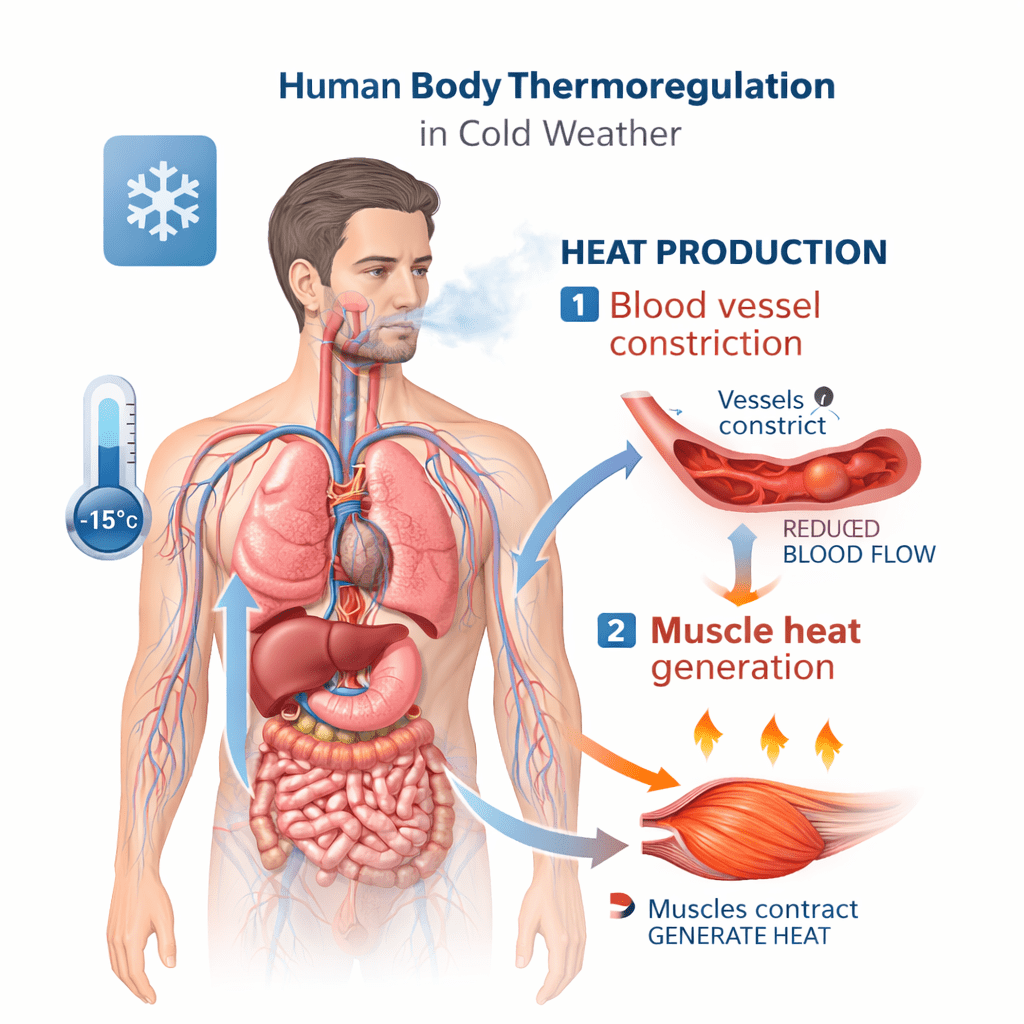
When you enter a cold environment, temperature sensors in the skin and internal tissues send signals to the brain. These signals reach the hypothalamus, the part of the brain responsible for regulating body temperature.
The hypothalamus acts like a biological thermostat. When it detects cold conditions, it activates protective responses to preserve heat and protect vital organs.
These responses include:
- constricting blood vessels near the skin
- increasing metabolic heat production
- triggering muscle contractions that generate heat
- adjusting hormone activity related to energy use
Each of these responses requires fuel from the body’s energy reserves.
As a result, your body begins burning more calories simply to stay warm. This increase in energy demand is one of the main reasons people feel tired after prolonged exposure to cold temperatures.
This is different from a short cold shower, where brief cold water exposure may act more like a quick alertness switch than a long outdoor cold-stress load, as explained in this cold shower routine.
Cold exposure can also activate brown adipose tissue, a specialized type of fat that burns stored calories to generate heat. Research from the National Institutes of Health explains how this process works in NIH research on brown fat metabolism.
5 Reasons Cold Weather Can Make You Feel Tired
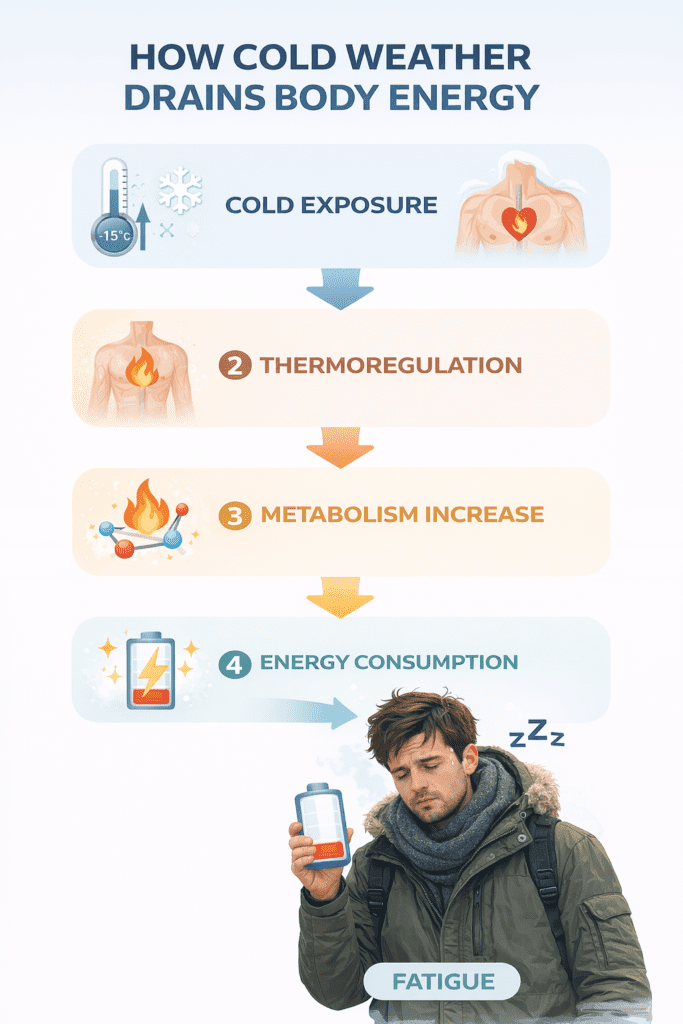
- Your body burns more calories to maintain core temperature
- Blood vessels constrict, reducing circulation to muscles
- Metabolism increases to produce body heat
- Seasonal light changes affect hormone balance
- Cold muscles require more energy to function effectively
Together, these factors create an invisible energy drain that many people feel during colder months.
How Thermoregulation Creates an Invisible Energy Drain in Cold Environments
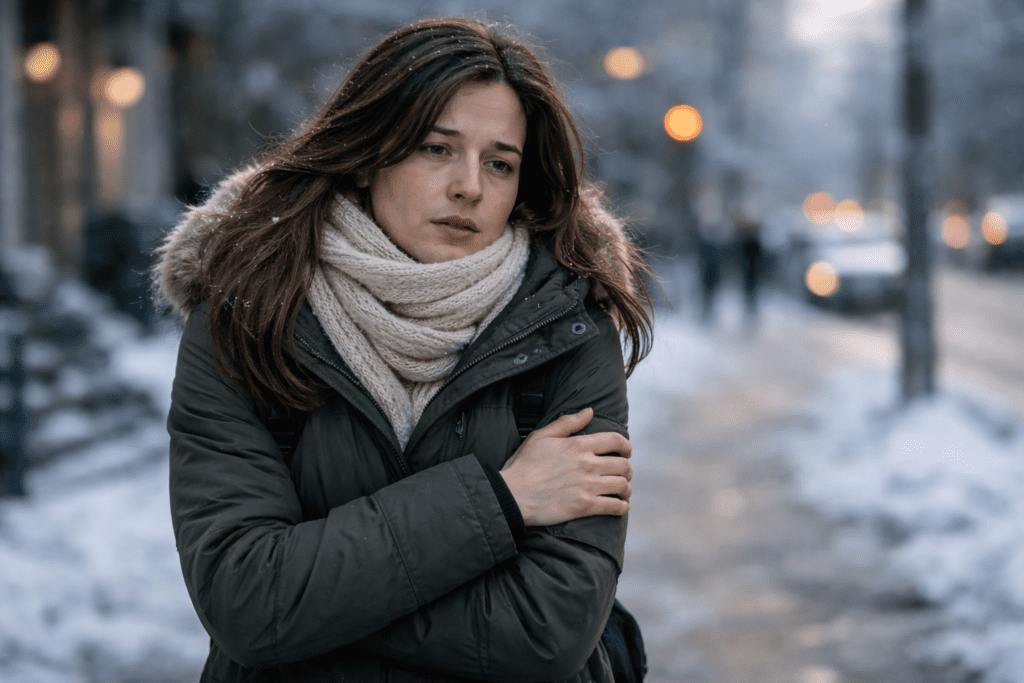
Thermoregulation is the biological system responsible for balancing heat production and heat loss.
In warm environments, the body releases heat through sweating and increased skin circulation.
In cold environments, the body must do the opposite—it must generate heat internally.
This happens through several mechanisms.
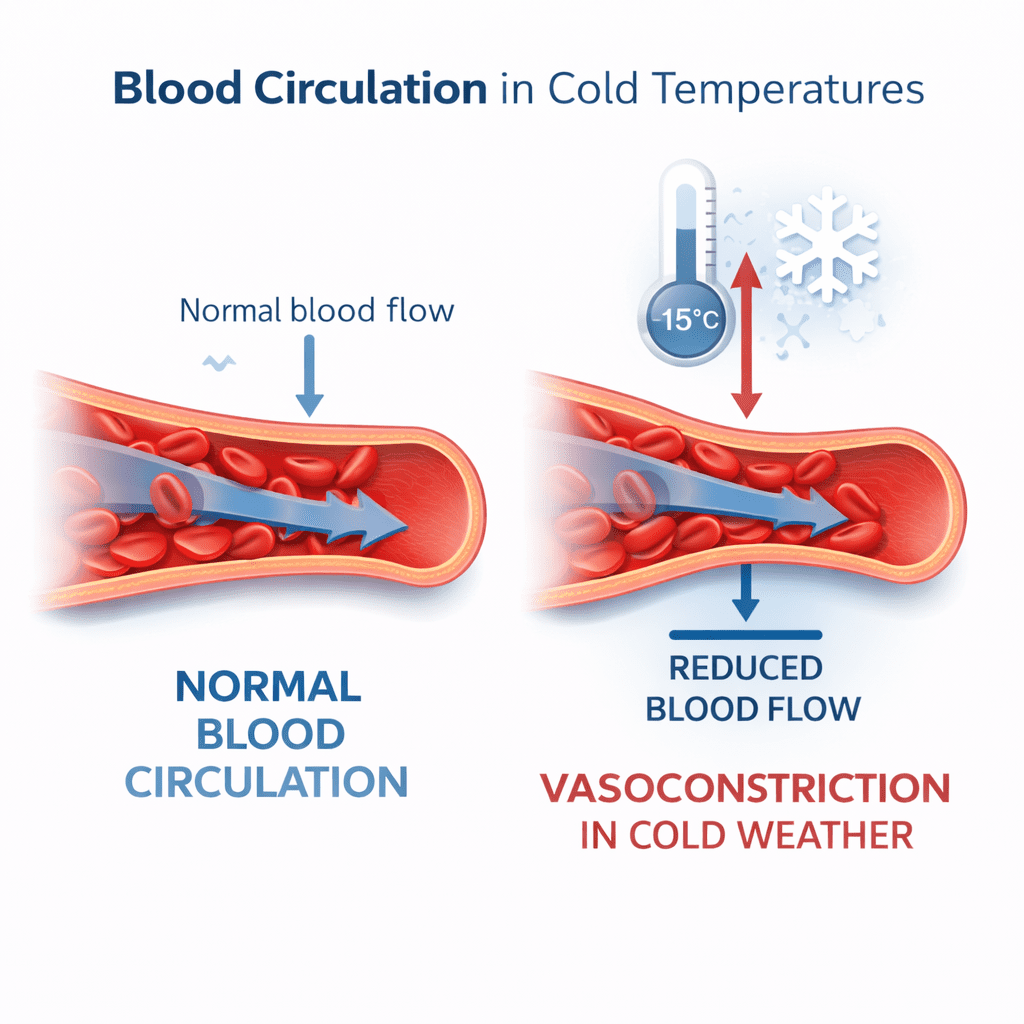
Blood vessels near the skin constrict to reduce heat loss. This process is known as vasoconstriction.
Metabolism increases to produce additional internal heat.
Muscles may also generate small contractions to create warmth.
If temperatures drop significantly, the body may trigger shivering. Shivering dramatically increases energy use because rapid muscle contractions generate heat.
Over time, these mechanisms consume energy and contribute to fatigue.
Health agencies explain the impact of prolonged cold exposure and body heat loss in guidance from the CDC winter weather health effects.
What Happens When Circulation Changes in Cold Temperatures
Cold temperatures significantly affect blood circulation.
When the body detects cold conditions, it prioritizes protecting vital organs such as the brain, heart, and lungs.
To do this, blood vessels in the arms, legs, hands, and feet constrict. This moves blood toward the center of the body where vital organs are located.
While this strategy preserves warmth, it also creates side effects.
Reduced circulation in the muscles can cause stiffness and faster fatigue. Muscles that receive less oxygen and nutrients must work harder to perform physical tasks.
This explains why walking, lifting, or working outside often feels more exhausting in cold conditions.
Severe cold exposure can even disrupt the body’s ability to regulate temperature safely. Medical explanations of cold-related health effects can be found in Mayo Clinic hypothermia symptoms and causes.
| Study Source | Test Condition | Observed Effect | Key Finding |
|---|---|---|---|
| ❄️ NIH Brown Fat Research | Adults exposed to mild cold for 60 minutes | Increased calorie burning | Cold exposure activates brown adipose tissue, which helps generate body heat by burning stored energy. |
| 🧠 CDC Cold Stress Observations | Adults exposed to outdoor cold environments | Increased fatigue and reduced alertness | Prolonged cold exposure increases energy demand and can reduce concentration levels. |
| 🧪 Mayo Clinic Cold Physiology Data | Participants exposed to cold environments | Slower physical response and muscle stiffness | Cold temperatures reduce circulation to extremities, which can affect muscle efficiency. |
Why Indoor Heating After Cold Exposure Can Suddenly Increase Fatigue
Another factor people rarely consider is the transition from cold outdoor environments to heated indoor spaces. When the body moves from cold temperatures into a warm room, blood vessels that were previously constricted begin to dilate.
This sudden circulation shift can cause temporary drops in blood pressure and mild relaxation responses in the nervous system. As a result, people may feel sleepy or drained shortly after entering a warm building.
Rapid temperature changes can also influence how the nervous system regulates alertness. Similar fatigue patterns sometimes occur after hot showers because of changes in circulation and body temperature, which are explained in tired after shower.
The Hidden Reason Cold Air Can Make Your Brain Feel Slower
Cold weather does not only affect muscles. It can also influence mental performance.
The brain is one of the most energy-demanding organs in the body, using roughly 20 percent of the body’s daily energy supply.
When the body directs more energy toward heat production, less energy may be available for other processes.
At the same time, circulation changes may reduce oxygen delivery to the outer body. Combined with environmental stress, these changes can produce mental fatigue.
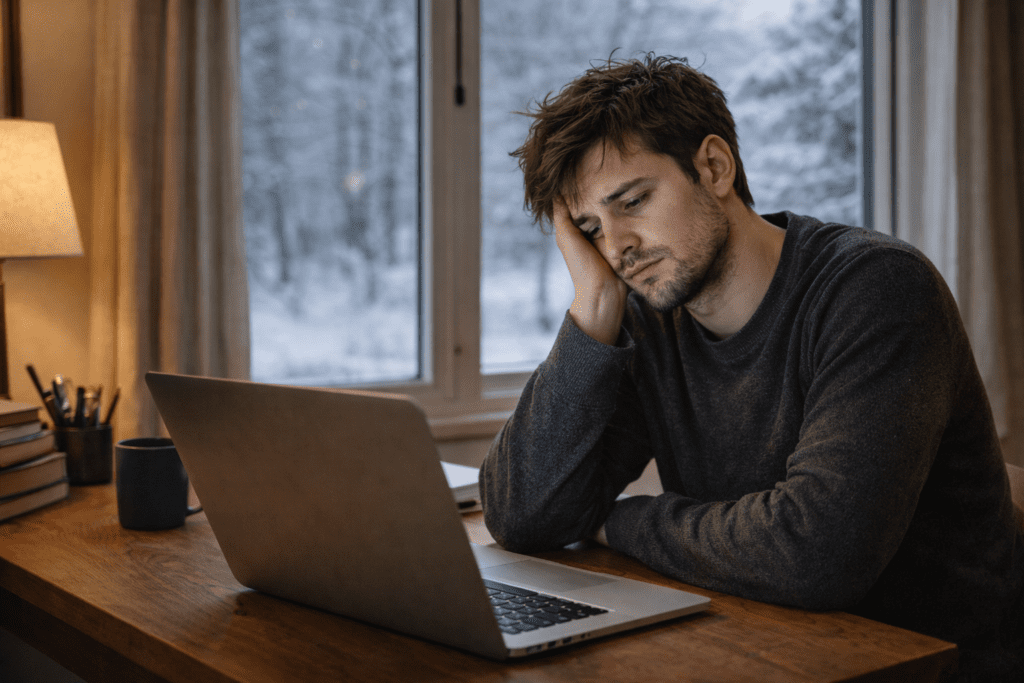
Some people describe this sensation as cold-weather brain fog.
How Cold Weather Sensory Stress Can Quietly Drain Mental Energy
Cold environments can also place subtle stress on the body’s sensory systems. When temperatures drop, the skin, face, and airways constantly detect cold signals and send those signals to the brain. This ongoing sensory input requires the nervous system to stay alert and responsive.
Your brain must continuously interpret these signals and coordinate appropriate responses, such as adjusting circulation, muscle tension, and breathing patterns. Although these processes happen automatically, they still require mental processing and energy.
At the same time, cold environments often involve additional sensory challenges such as wind, dry air, and reduced comfort. These factors can increase cognitive load, meaning the brain must work harder to maintain focus and stability.
Over time, this subtle sensory stress can contribute to mental fatigue. Combined with the body’s physical effort to stay warm, the brain may begin conserving energy, which many people experience as reduced concentration or tiredness during cold weather.
How Cold Weather Influences Your Nervous System and Energy Levels
Cold environments place additional demands on the autonomic nervous system, which regulates automatic body functions such as heart rate, circulation, and temperature control. When the body detects cold conditions, the nervous system activates protective responses designed to maintain internal stability.
Initially, this activation can increase alertness because the sympathetic nervous system releases stress hormones like adrenaline. However, if cold exposure continues for long periods, the body must constantly regulate circulation, metabolism, and muscle activity to maintain warmth.
This continuous regulation can eventually create nervous system fatigue. Instead of feeling alert, the body begins shifting toward a recovery state that encourages rest and energy conservation.
People sometimes notice similar patterns when the nervous system struggles to balance stimulation and recovery cycles, which is also discussed in wired but tired at night.
Understanding this nervous system response helps explain why extended cold exposure can gradually lead to both physical and mental fatigue.
Common Symptoms of Cold Weather Fatigue and How to Recognize Them
- sudden tiredness after spending time outdoors
- muscle stiffness or heaviness
- slower reaction time
- reduced concentration
- increased desire to rest
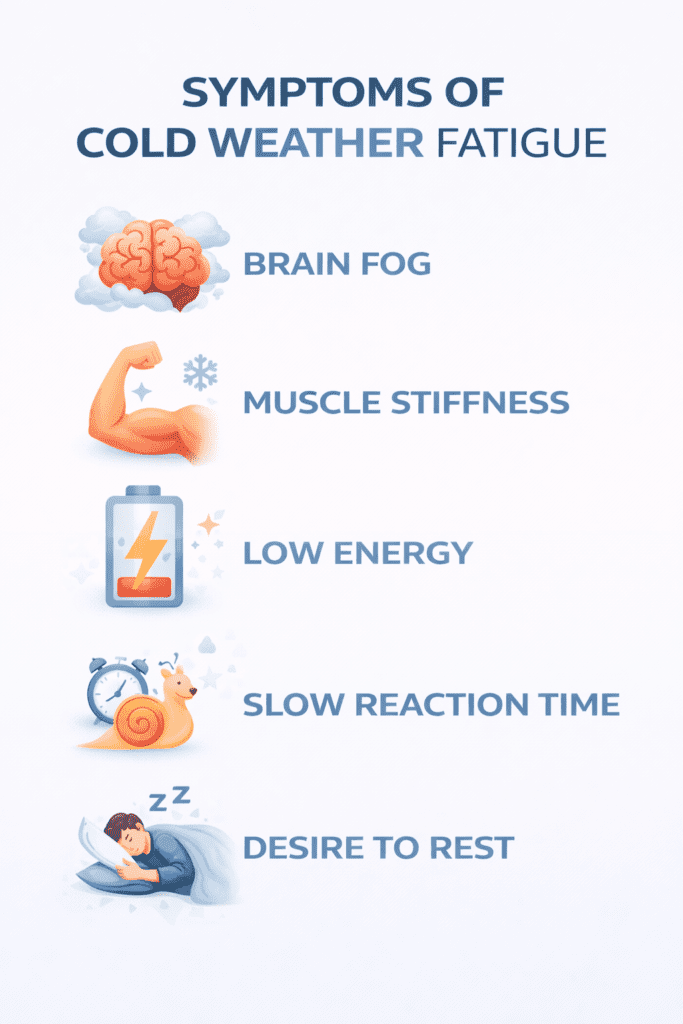
These symptoms typically appear gradually as the body spends energy maintaining warmth.
Why Cold Seasons Can Disrupt Your Natural Energy Rhythm
Cold weather fatigue is not caused by temperature alone. Seasonal changes in sunlight also play an important role in regulating energy levels.
Your body follows a circadian rhythm, the internal clock that controls sleep cycles, hormone release, and daily alertness. This rhythm is strongly influenced by exposure to natural light.
During winter months, several environmental factors change:
- daylight hours become shorter
- sunlight exposure decreases
- people spend more time indoors
Reduced sunlight exposure can lower serotonin, a neurotransmitter that supports mood, motivation, and mental energy. At the same time, the body may produce more melatonin, the hormone that signals the brain to prepare for sleep.
When these hormonal shifts combine with the extra energy required for thermoregulation in cold environments, many people experience noticeable fatigue during colder seasons.
Extended exposure to bright sunlight can also influence energy levels in different ways, which is explained further in tired after being in the sun.
Maintaining regular daylight exposure—even during winter—can help support healthy circadian rhythms and more stable daily energy levels.

How Cold Weather Influences Hormones That Control Energy Levels
Cold environments can also influence hormones that regulate energy balance. One of these hormones is cortisol, which helps the body manage stress and maintain alertness.
During colder seasons, the body’s cortisol rhythm may shift slightly due to reduced sunlight exposure and changes in daily activity patterns. When cortisol levels drop earlier in the day, people may experience lower afternoon energy levels.
This hormonal shift may combine with natural circadian dips that already occur in the middle of the day. Many people experience these dips as afternoon fatigue, which is described further in why am I so tired in the afternoon.
The Impact of Cold Weather on Metabolism and Energy Stores
Cold temperatures increase metabolic demand.
Maintaining warmth requires additional calories. As a result, the body may increase metabolic activity during cold exposure.
This means stored energy may be used faster than usual.
If energy intake does not match this demand, fatigue can develop.
Some individuals experience stronger hunger signals in winter because the body attempts to replenish energy reserves.
Energy fluctuations related to metabolism can also appear after meals, which is discussed further in why do I feel tired after eating.
The Hidden Role of Dehydration During Cold Weather Exposure
Many people assume dehydration only occurs during hot weather. In reality, cold environments can also contribute to fluid loss. Cold air is typically dry, and every breath you exhale releases moisture from the body.
In addition, cold exposure can suppress the sensation of thirst. This means people often drink less water during winter even though their bodies still require adequate hydration for metabolism and circulation.
When hydration levels drop, blood volume can decrease slightly, which may reduce oxygen delivery to tissues and increase feelings of fatigue. Maintaining hydration throughout the day helps support energy production and circulation, which is also discussed in simple daily hydration habits for energy.

How Cold Weather Can Increase Immune System Activity and Energy Use
Cold environments can also influence how the immune system behaves. When the body is exposed to colder air, especially during winter months when respiratory viruses circulate more frequently, the immune system may become more active as a protective measure.
Even mild immune responses require energy. Immune cells must produce signaling molecules, detect potential pathogens, and maintain defense mechanisms throughout the body. These processes use glucose and other metabolic resources that would otherwise support physical and mental energy.
At the same time, the body may increase inflammatory signaling to protect tissues exposed to cold and dry air. Although this response is usually subtle, it still adds another layer of energy demand.
When immune activity combines with thermoregulation, circulation changes, and seasonal hormonal shifts, the body may experience a higher overall energy burden. This can contribute to the feeling of tiredness that many people notice during extended cold exposure.
What Most People Miss About Cold Weather Fatigue
Many people assume fatigue from cold exposure occurs only in extremely low temperatures.
However, moderate cold can also affect energy levels.
Even temperatures around 40–50°F can activate thermoregulation responses, especially when wind increases heat loss.
Wind chill accelerates heat loss from the skin.
If clothing does not effectively trap body heat, the body must work harder to maintain internal temperature.
Over time, this extra effort drains energy reserves.
Similar fatigue responses can occur when body temperature changes quickly, which is discussed in tired after shower.
Why Cold Weather Can Increase Calorie Demand Without You Noticing
Cold exposure increases calorie use because the body must generate heat to maintain its internal temperature. Even mild cold conditions can increase daily energy expenditure slightly.
However, many people do not adjust their food intake during colder months. If calorie intake remains the same while the body uses more energy for thermoregulation, fatigue can develop gradually.
This energy imbalance can resemble metabolic fatigue patterns that occur after meals or blood sugar changes, which are explored further in why do I feel tired after eating.
The Link Between Cold Weather, Muscle Fatigue, and Physical Performance
Cold temperatures influence muscle performance.
Muscle fibers function best within a specific temperature range. When muscles become colder:
- contraction speed decreases
- flexibility declines
- joint stiffness increases
These changes force muscles to use more energy to produce the same movement.
That is why athletes perform warm-up routines before exercising in cold weather.
Without warming the muscles first, physical tasks may feel more exhausting.
People who spend long periods sitting in cold environments may also experience fatigue caused by circulation changes described in why sitting too long makes you tired.

How Cold Air Affects Oxygen Delivery and Physical Endurance
Cold air can slightly change how the body delivers oxygen to working muscles. When you breathe in very cold air, the body must warm and humidify that air before it reaches the lungs. This process requires energy and places additional work on the respiratory system.
At the same time, colder muscles may receive slightly reduced blood flow due to vasoconstriction. When muscles receive less oxygen and nutrients, they fatigue more quickly. This is one reason outdoor activities such as walking, running, or manual work can feel more exhausting during winter months even when the physical effort is the same.
People who experience sudden tiredness during physical activity sometimes notice similar energy drops in other situations such as prolonged sitting, which affects circulation and oxygen delivery as explained in tired after sitting too long.
How Breathing Cold Air Increases Hidden Energy Loss
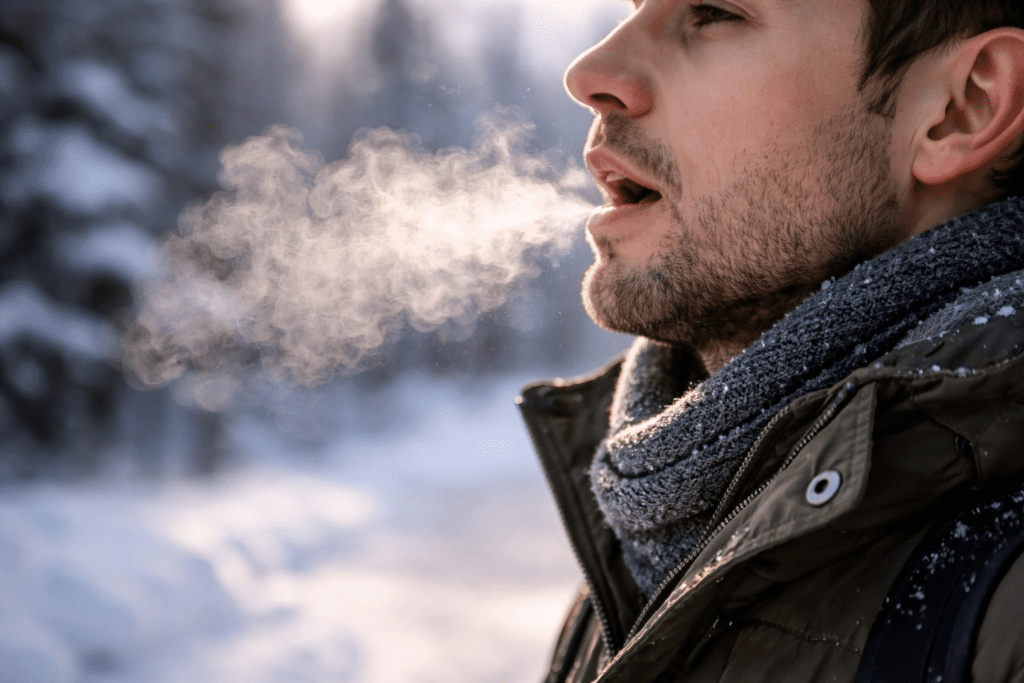
Another overlooked reason cold weather can lead to fatigue involves the process of breathing. Every time you inhale cold air, the body must warm and humidify that air before it reaches the lungs. This process protects delicate lung tissues, but it also requires energy.
The respiratory system transfers heat and moisture from the body to the incoming air. In very cold environments, this warming process happens thousands of times throughout the day with each breath you take. Over time, the body loses both heat and moisture through respiration.
To compensate for this heat loss, the body must produce additional warmth through metabolism and muscle activity. Although each breath only causes a small amount of heat exchange, the cumulative effect during prolonged outdoor exposure can increase overall energy demand.
This hidden respiratory heat loss adds another layer to the energy burden already created by thermoregulation, circulation changes, and muscle activity. Together, these small energy costs can gradually contribute to the fatigue many people notice during cold weather.
A Real-Life Scenario Many Americans Experience in Winter
Imagine someone commuting during a cold January morning in the United States.
The temperature outside is 28°F. They walk several blocks to a train station and stand outside waiting for transportation.
Wind increases heat loss, forcing the body to generate additional warmth.
By the time they arrive at work, their body has already used a large amount of energy regulating temperature.
Even though the workday has barely started, they may feel mentally drained.
Later in the afternoon, this fatigue can combine with natural circadian energy dips similar to those explained in why am I so tired in the afternoon.

More everyday fatigue triggers worth checking next
If this winter fatigue pattern sounds familiar, you may also relate to other common energy crashes caused by meals, naps, or sudden shifts in routine.
What Cold Weather Fatigue Actually Means and How It Affects Your Body
Prolonged exposure to cold conditions may push the body into energy conservation mode.
Energy conservation is a biological response designed to preserve energy when environmental conditions are harsh.
This response may include:
- slower movement
- increased desire to rest
- reduced physical activity
Historically, these responses helped humans survive long winters.
In modern environments, they often appear as sleepiness or fatigue after time spent outdoors.
How Cold Exposure Can Increase Sleep Pressure in the Body
Another subtle reason cold weather can make people feel tired is related to the body’s natural sleep pressure system. Sleep pressure is the biological process that builds the longer a person stays awake and uses energy throughout the day.
When the body spends additional energy maintaining warmth in cold environments, it can accelerate the buildup of this sleep pressure. The brain detects that more energy has been used than usual and begins signaling the need for rest and recovery.
These signals are influenced by molecules such as adenosine, which accumulate in the brain as energy is used. Higher levels of adenosine increase the sensation of tiredness and make rest feel more necessary.
Cold exposure can therefore indirectly increase fatigue by speeding up the body’s natural recovery signals. When this effect combines with the metabolic demands of thermoregulation and reduced winter daylight, many people experience stronger feelings of tiredness after spending extended time in cold environments.
Counterintuitive Insight: Why Short Bursts of Cold Can Feel Energizing
Cold air does not always produce fatigue immediately.
Short bursts of cold exposure can activate the sympathetic nervous system, which increases adrenaline levels.
Adrenaline temporarily increases alertness and focus.
This is why cold air can initially feel refreshing.
However, when exposure continues, the body must continue generating heat. Eventually, energy consumption outweighs stimulation and fatigue begins to appear.
The Real Cause-Effect Chain Behind Cold-Induced Fatigue
Cold environment exposure
→ body activates thermoregulation
→ metabolism increases to generate heat
→ circulation changes reduce muscle efficiency
→ energy reserves are used faster
→ fatigue develops
Understanding this chain helps explain why cold weather can drain energy even without intense physical activity.
Why the Body’s Temperature Set Point Makes Cold Weather More Exhausting
Another factor that explains cold-related fatigue is the body’s temperature set point. The brain maintains a precise internal temperature because most enzymes and cellular processes function best within a narrow range. When the environment becomes cold, the hypothalamus must constantly monitor temperature signals and adjust heat production to maintain that set point.
This process requires continuous communication between the brain, muscles, blood vessels, and metabolic systems. The body essentially runs a constant feedback loop: sensing cold, generating heat, and adjusting circulation. Even when these adjustments are subtle, they require energy and coordination across multiple biological systems.
Because this regulation happens automatically and continuously, people often underestimate how much energy the body spends simply maintaining stability in colder environments. Over time, this hidden workload can contribute to the fatigue many people experience after spending long periods outdoors during winter.
Practical Ways to Reduce Cold-Weather Energy Drain and Stay Energized
Several simple habits can help reduce cold-related fatigue.
Layer clothing to trap warm air between fabric layers.
Stay hydrated during winter months.
Eat balanced meals to support metabolic energy needs.
Move regularly to maintain circulation.
Take breaks in warm environments when possible.
Improving hydration habits can also support daily energy levels as explained in simple daily hydration habits for energy.
Want to understand your energy crashes even better?
Cold weather is only one trigger. Many people also feel drained after meals, long periods of sitting, or sudden temperature changes. These related guides can help you spot the real pattern behind your fatigue.
Why Winter Lifestyle Changes Can Also Contribute to Fatigue
Cold weather does not only affect the body directly. It also changes daily routines and lifestyle patterns that influence energy levels.
During colder months, people often spend more time indoors and engage in less physical activity. Reduced movement can slow circulation and lower overall energy levels throughout the day.
In addition, colder seasons may alter sleep schedules, eating habits, and exposure to natural light. These changes can disrupt normal circadian rhythms and contribute to fatigue.
For example, people who experience low evening energy sometimes benefit from adjusting their daily routines, which is explored further in evening habits for next day energy.
Recognizing how seasonal lifestyle shifts influence energy levels can help individuals maintain healthier habits during colder months.
Conclusion: The Real Reason Cold Weather Can Leave You Feeling Exhausted
Cold weather activates powerful survival systems inside the body. These systems increase metabolism, alter circulation, and shift hormone balance to protect vital organs.
Although these processes help maintain body temperature, they also require energy.
Over time, the additional effort required to stay warm can lead to fatigue, reduced focus, and physical exhaustion.
Understanding why cold weather makes you tired allows you to adjust your habits, support your energy levels, and stay more comfortable during colder seasons.
Still trying to figure out why your body feels drained?
Fatigue does not always come from one cause. Your energy levels can also be affected by food, hydration, sunlight, sleep timing, and daily habits. Explore these next articles to find the trigger that fits your situation.
Why You Feel Tired After Being in the Sun
Simple Daily Hydration Habits for Better Energy
People Also Ask Questions
Does cold weather really make you feel more tired?
Yes. Cold weather can make you feel tired because the body must use additional energy to maintain its internal temperature. When temperatures drop, the body increases metabolic activity and activates heat-producing processes such as shivering and brown fat metabolism, which can temporarily reduce available energy.
Why do I feel sleepy after being outside in the cold?
Feeling sleepy after cold exposure often happens when the body shifts from active thermoregulation to recovery. After the body spends energy generating heat, returning to a warm environment may trigger relaxation in the nervous system, which can create a sensation of fatigue or sleepiness.
Does cold weather burn more calories?
Yes. Cold temperatures can increase calorie expenditure because the body must generate heat to maintain its normal temperature. This increase in energy use can occur through shivering, increased metabolism, and activation of heat-producing fat cells.
Why do muscles get tired faster in cold weather?
Cold temperatures reduce muscle flexibility and slow contraction speed. When muscles are colder, they require more energy to perform movements, which can cause physical activities to feel more exhausting than they would in warmer conditions.
Can cold air affect your concentration and mental energy?
Yes. Cold environments can influence circulation and energy distribution in the body, which may affect mental performance. When the body directs more energy toward maintaining warmth, people may temporarily experience slower thinking, reduced focus, or mental fatigue.
Why do I feel more tired in winter than in summer?
Many people feel more tired in winter due to shorter daylight hours, reduced sunlight exposure, and colder temperatures. These factors can influence circadian rhythm, hormone balance, and energy metabolism, which may lead to increased fatigue during colder months.
Experience, Expertise, Authority, and Trust
This article is based on established research in environmental physiology, metabolism, and thermoregulation. The explanations of how cold weather affects fatigue are grounded in widely accepted scientific principles used in medical and public health research. Information about metabolic heat production, circulation changes, and cold-related health effects aligns with guidance and educational materials from reputable health institutions such as the National Institutes of Health (NIH), the Centers for Disease Control and Prevention (CDC), and Mayo Clinic.
The goal of this content is to translate complex biological processes into clear explanations that help readers understand how everyday environmental conditions—like cold weather—can influence energy levels, physical performance, and mental alertness.
