

It’s 11:30 PM after a long day. You finally let everything out—stress, frustration, maybe something that’s been building for weeks. The tears stop, but instead of feeling lighter or energized, you feel completely drained. Your body feels heavy, your eyes burn, and all you want to do is lie down and sleep.
If you’ve ever wondered why do I feel tired after crying, the answer isn’t just emotional—it’s biological. Crying activates a powerful chain reaction in your nervous system, hormones, breathing patterns, and even oxygen flow to your brain. What feels like simple exhaustion is actually your body initiating a controlled physiological reset process.
Feeling tired after crying happens because your body transitions from a high-stress state into a low-activation stabilization phase. This process involves a drop in cortisol, activation of the parasympathetic nervous system, and the release of calming hormones like oxytocin and endorphins, which together reduce alertness and create physical fatigue.
The Hidden Reason Crying Triggers a Full Nervous System Energy Shutdown
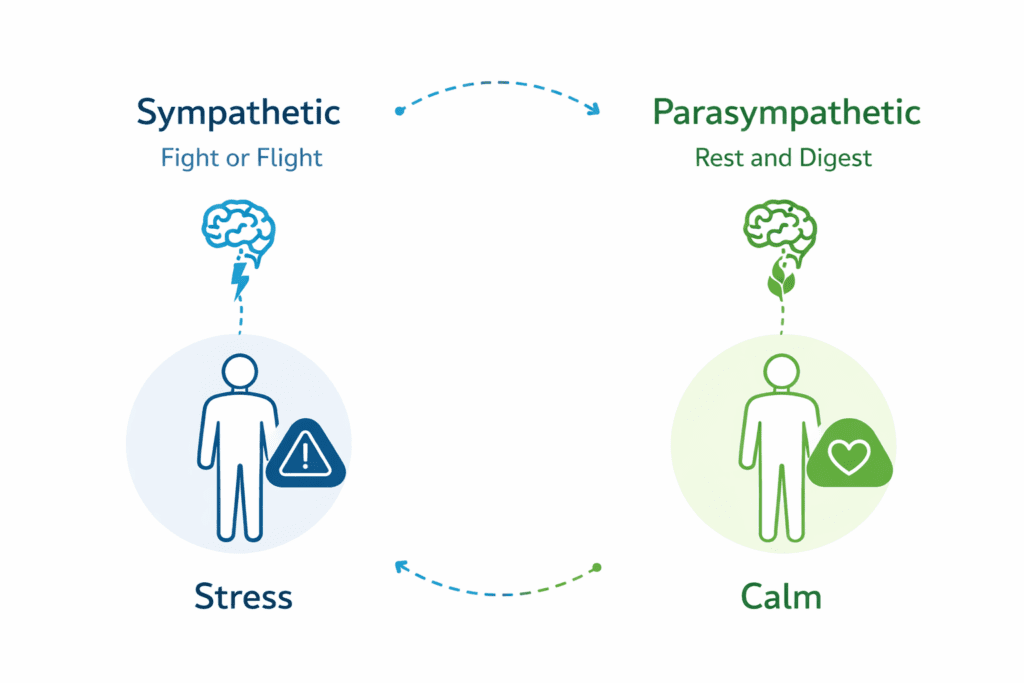
Crying usually begins during intense emotional stress. Your body enters a sympathetic “fight or flight” state, where cortisol rises, heart rate increases, and breathing becomes faster and less controlled. This state is designed to help you handle pressure, but it cannot be sustained for long.
Once crying starts, your body begins shifting into the parasympathetic system, often called “rest and digest.” This system slows your heart rate, lowers mental alertness , and begins reducing internal activation to recalibrate internal systems. According to research on the autonomic nervous system, this shift is essential for restoring balance after stress, as explained in NIH’s overview of autonomic regulation.
The key detail most people miss is that this calming response can overshoot. Instead of simply relaxing you, it reduces your system’s energy output to conserve resources. That’s why you don’t just feel calm—you feel exhausted.
This article breaks down what actually happens inside your body after crying—from nervous system shifts to hormone changes and energy drops. You’ll understand why fatigue hits and how to recover faster.
The Hidden Role of the Reticular Activating System in Post-Crying Fatigue
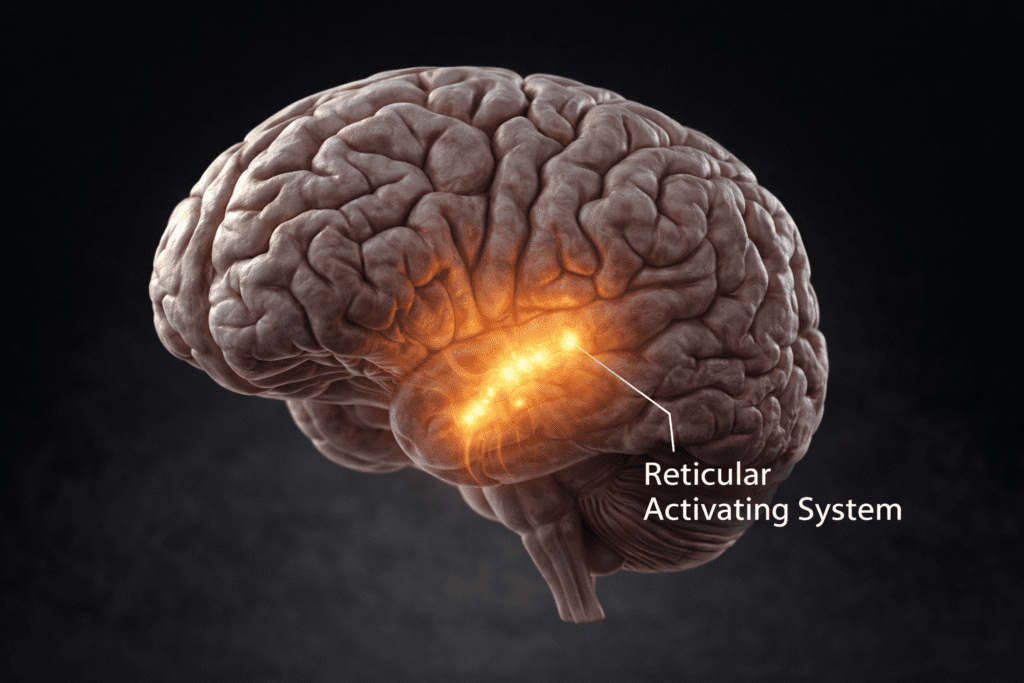
One of the most overlooked systems involved in why do I feel tired after crying is the brain’s reticular activating system (RAS).
This system controls your level of alertness and wakefulness.
During emotional stress, the RAS is highly active, keeping you mentally alert. But after crying, this system reduces its activity, which directly lowers your sense of energy and focus.
This same drop in alertness is similar to what happens in low-stimulation environments, as explained in this breakdown of quiet-environment fatigue. When the RAS slows down, your brain interprets it as a signal to rest, not to stay active.
Why do I feel sleepy after crying?
Crying makes you sleepy because it activates your parasympathetic nervous system, which slows your body down after stress. This reduces alertness, lowers cortisol, and increases calming hormones, all of which signal your body to rest.
How Emotional Stress Followed by Release Creates a Sudden Energy Crash
The tiredness you feel after crying comes from the contrast between two extremes. First, your body builds tension, increasing cortisol and mental alertness. Then, crying releases that tension rapidly.
This creates a sharp drop in internal activation. Harvard Health explains that when stress hormones fall after a spike, your body shifts into a reduced-output physiological state, which can reduce energy levels and alertness, as described in Harvard’s stress response guide.
In simple terms, your body goes from high alert to shutdown mode in a short period. That sudden drop is what you experience as fatigue.
The Science Behind Hormones Released During Crying and Why They Cause Sleepiness
Crying releases several hormones that directly influence how you feel afterward.
Oxytocin increases during emotional release and promotes calmness and bonding, often making you feel relaxed or sleepy. Endorphins are also released, helping reduce emotional pain but contributing to a heavy, low-energy feeling.
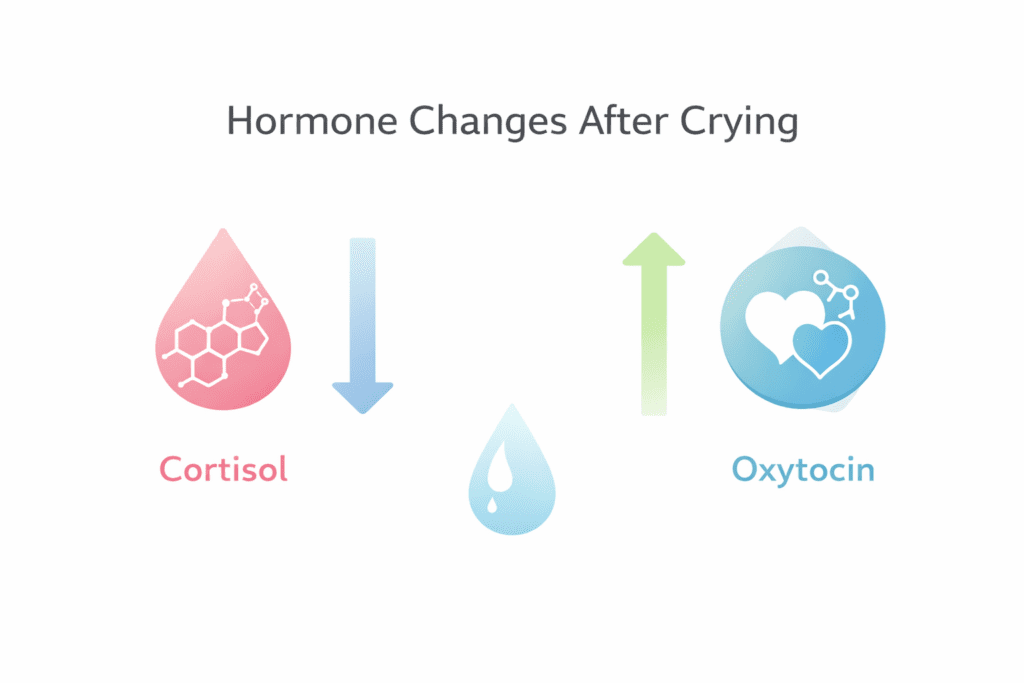
At the same time, cortisol—the stress hormone—drops. Lower cortisol means reduced alertness and less mental energy. Cleveland Clinic explains that emotional crying is closely tied to hormonal regulation and relief processes, which you can explore in their breakdown of crying behavior in this Cleveland Clinic article.
These combined hormonal changes are designed to downregulate your body’s alertness systems, not energize you. That’s why tiredness is a natural outcome.
Key reasons you feel tired after crying include:
- Nervous system shifts into rest mode
- Cortisol levels drop after stress release
- Oxytocin and endorphins increase relaxation
- Breathing patterns disrupt oxygen balance
- Muscle tension leads to physical fatigue
- Brain after emotional release
Why Dopamine Drops After Emotional Release and Reduces Motivation
While most people focus on cortisol and oxytocin, dopamine also plays a key role.
During emotional buildup, dopamine can stay elevated due to anticipation, stress, or mental stimulation.
After crying, dopamine levels drop, which reduces motivation and drive. This is why you don’t just feel tired—you feel unmotivated to do anything.
A similar dopamine-related crash can happen in other situations, like after caffeine wears off, as discussed in this article on coffee-related fatigue. This chemical shift reinforces the feeling that your body wants to slow down completely.
Is it normal to feel exhausted after crying?
Yes, it’s completely normal. Crying triggers a full-body recovery response that lowers stress hormones and shifts your nervous system into a low-energy state, which naturally leads to fatigue.
What Happens When Breathing Patterns Change During Intense Crying Episodes
Crying changes how you breathe. Instead of steady breathing, you may experience short inhales, uneven exhaling, or brief breath-holding. These changes affect oxygen and carbon dioxide balance in your body.
When carbon dioxide drops too low due to irregular breathing, it can lead to lightheadedness and fatigue. Your brain relies on stable oxygen levels to maintain alertness, and even small disruptions can make you feel drained.
This is similar to what people experience in other situations where breathing patterns change, such as prolonged sitting or inactivity, which is discussed in related scenarios like tiredness after long periods of stillness in this article on sitting-related fatigue.

How Mild Dehydration After Crying Impacts Your Energy Levels
Crying involves fluid loss through tears, and while it may seem minor, it can contribute to mild dehydration—especially after prolonged crying.
Even slight dehydration can reduce blood volume and make your brain feel less alert.
According to the Mayo Clinic, hydration plays a key role in maintaining energy and preventing fatigue, as explained in their overview of fatigue causes.
This effect becomes stronger if you were already dehydrated before crying, which is common in busy daily routines.
Can crying affect oxygen levels and make you tired?
Yes, crying can temporarily disrupt your breathing pattern, which affects oxygen and carbon dioxide balance in your body. This imbalance can reduce alertness and contribute to feelings of tiredness or lightheadedness.
The Link Between Muscle Tension, Physical Strain, and Post-Crying Exhaustion
Crying is physically demanding. Your facial muscles contract repeatedly, your chest tightens during sobbing, and your shoulders often tense up without you noticing.
This physical effort builds up strain. Once crying stops, your muscles release that tension. The result is a feeling similar to post-workout fatigue.
Your body shifts from contraction to relaxation, and that transition contributes to the heavy, drained sensation you feel afterward.

Why Eye Strain and Facial Fatigue Add to Post-Crying Exhaustion
Another layer of fatigue comes from eye strain and facial muscle fatigue.
Crying irritates the eyes, increases tear production, and forces your facial muscles into repeated contractions.
This can create a lingering sense of heaviness around your eyes and forehead.
Similar patterns are seen in screen-related fatigue, where eye strain contributes to overall tiredness, as explained in this article on eye fatigue from screens. This localized fatigue adds to the full-body exhaustion you feel.
Why Your Brain Interprets Emotional Release as a Signal to Power Down
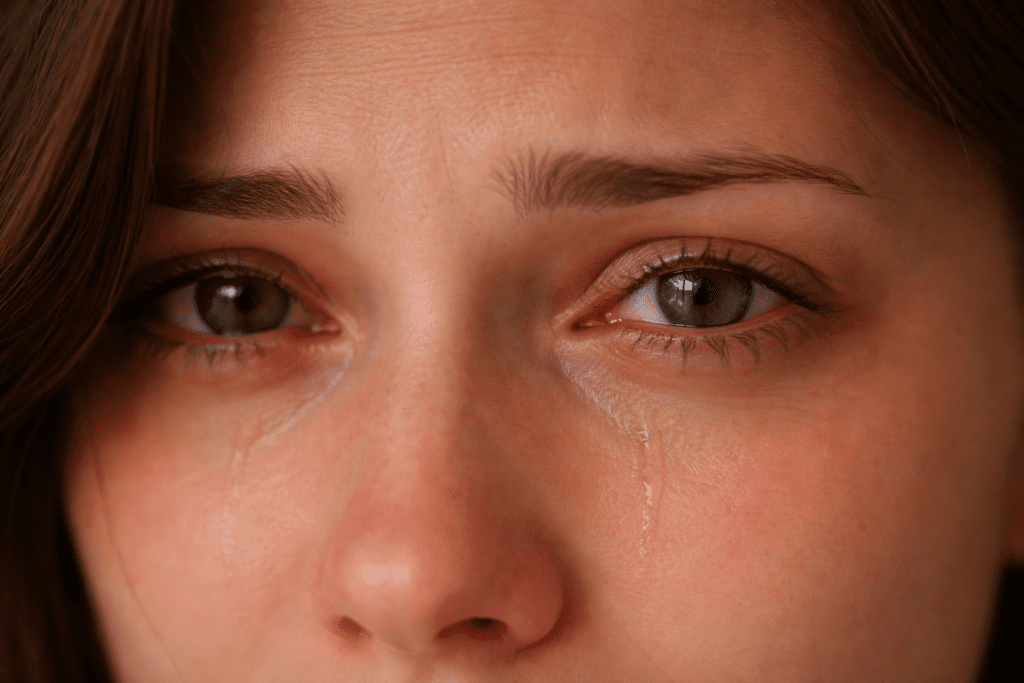
Your brain treats emotional release as a completion signal. Once the stress has been expressed, it assumes the threat is over and initiates a neural reset sequence.
This reduces mental activity, lowers alertness, and shifts energy toward restoration. According to the CDC, stress responses affect both mental and physical systems, and recovery phases are essential for balance, as explained in CDC’s guide on managing stress.
This is why you may feel mentally quiet or even sleepy after crying. Your brain is not shutting down randomly—it is intentionally lowering overall neural activation.
The Link Between Emotional Overload and Mental Energy Depletion
Before crying even starts, your brain may already be overloaded with continuous emotional processing
Crying often happens after prolonged emotional overload.
Your brain has been processing stress, decisions, or emotional tension for hours or even days.
This cognitive load consumes mental energy. When crying releases that pressure, your brain reduces activity to recover.
Harvard Health notes that prolonged stress can drain mental energy and lead to fatigue, as described in their stress response explanation. This explains why you feel mentally quiet and physically tired at the same time.
What Most People Miss About Crying and Energy Depletion Cycles
Most people believe crying makes them tired simply because it uses energy. The real explanation is more complex.
Crying triggers a full stress cycle followed by a post-stress energy downregulation phase. The tiredness comes from the transition between those states, not just the act of crying.
A counterintuitive insight is that the more intense the emotional buildup, the deeper the fatigue afterward. If you’ve been holding in stress for a long time, the release will create a stronger drop in energy.
Why Crying Feels More Exhausting at Night Than During the Day
Crying often feels more draining at night because your body is already preparing for sleep.
Your circadian rhythm naturally lowers alertness in the evening, reducing cortisol and increasing melatonin.
When crying happens during this time, it amplifies the natural drop in energy.
This is similar to patterns seen in people who feel “wired but tired” at night, as explained in this article on nighttime alertness and fatigue. The combination of emotional release and natural biological slowdown intensifies fatigue.
How Sleep Debt Amplifies Post-Crying Exhaustion in Busy Adults
One major factor that intensifies why do I feel tired after crying is sleep debt. If you haven’t been getting enough rest, your body is already operating at reduced capacity. Your nervous system is more sensitive, your cortisol rhythm is disrupted, and your energy reserves are lower.
When crying amplifies your body’s need to reduce energy expenditure in this state, the fatigue becomes stronger and lasts longer. Your body doesn’t just need emotional recovery—it also needs sleep recovery.
The CDC explains that lack of sleep affects both physical and mental performance, making fatigue more intense and harder to recover from, as described in their sleep and health overview. This is why crying late at night often leads directly to feeling exhausted or falling asleep.
For many busy adults, this effect is amplified by work stress, irregular schedules, and screen exposure—making post-crying fatigue feel overwhelming instead of temporary.

Why does crying drain so much energy?
Crying drains energy because it combines emotional stress, physical muscle tension, and hormonal shifts. After the release, your body enters recovery mode, which lowers energy levels and creates a heavy, tired feeling.
How the Crying Fatigue Cycle Explains Your Sudden Energy Drop
Why crying makes you feel tired can be broken down into a clear sequence:
- Emotional stress activates your fight-or-flight system
- Crying releases built-up tension
- Cortisol levels drop after the release
- Calming hormones increase
- Breathing becomes irregular
- Muscles tense and then relax
- Your nervous system shifts into recovery mode
- Energy levels drop, causing tiredness
This cycle explains why the fatigue feels sudden and unavoidable.
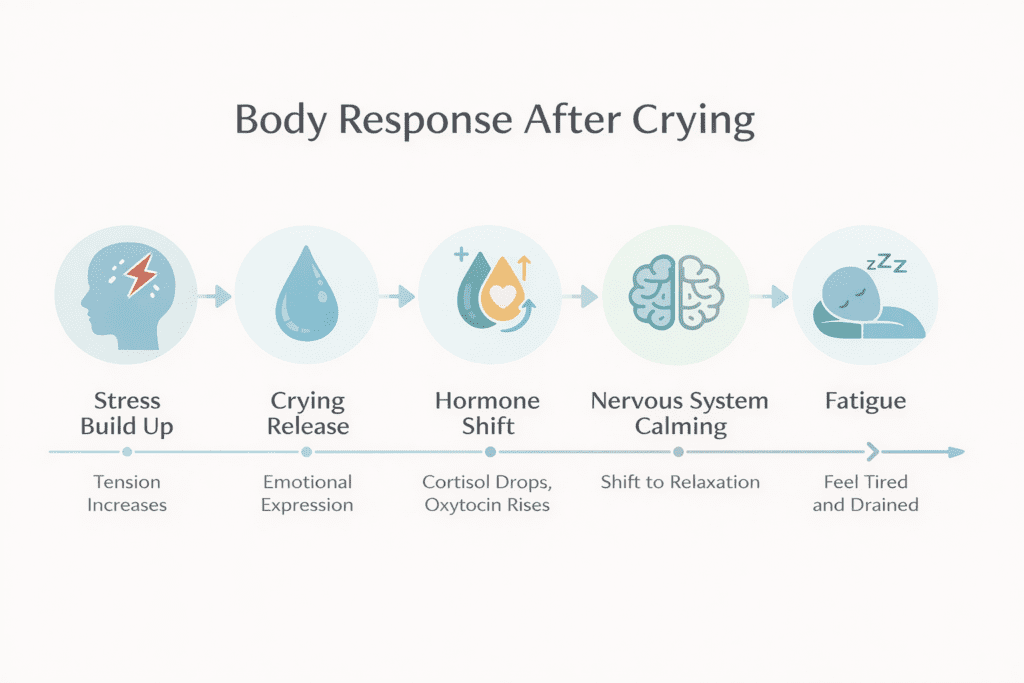
Instead of looking at each system separately, here’s how your body moves through different stages after crying:
| Stage | What Happens ⚡ | What You Feel 😴 |
|---|---|---|
| Emotional Build-Up | Stress increases, cortisol rises, body tension builds | Overwhelmed, tense |
| Crying Release | Emotional discharge + irregular breathing + muscle contraction | Intense, unstable, relief starting |
| Hormonal Shift | Cortisol drops, oxytocin and endorphins increase | Calm, slower, less alert |
| Nervous System Shift | Parasympathetic system takes over | Relaxed but low energy |
| Recovery Phase | Brain reduces activity, body conserves energy | Heavy, sleepy, drained |
This step-by-step shift shows why the fatigue feels sudden—your body isn’t just reacting, it’s transitioning through a complete recovery sequence.
Your body can feel exhausted even without physical effort. Learn what’s really happening when your energy drops unexpectedly.
Read: Why You Feel Tired After Doing Nothing →
What Happens When Blood Flow Shifts After Emotional Stress
During emotional stress and crying, your body redistributes blood flow.
More blood is directed toward vital organs and away from less critical areas.
After crying, circulation shifts again as your body returns to balance.
These rapid changes can briefly affect how efficiently oxygen reaches your brain, contributing to fatigue.
The NIH explains that circulation and oxygen delivery are closely tied to energy levels in this overview of body regulation systems. This subtle shift adds another layer to why you feel drained.
How long does tiredness after crying last?
Tiredness after crying can last anywhere from a few minutes to a couple of hours. The duration depends on how intense the emotional release was and your overall energy level at the time.
The Difference Between Emotional Fatigue and Physical Fatigue After Crying
After crying, fatigue doesn’t come from one source—it comes from two different systems working at the same time.
Not all tiredness after crying feels the same. Some people feel mentally quiet but physically fine, while others feel heavy, slow, and physically drained. This happens because emotional fatigue and physical fatigue are driven by different systems in your body.
Emotional fatigue comes from prolonged mental processing—thinking, worrying, and holding in feelings. This drains cognitive resources in the brain. Physical fatigue, on the other hand, comes from muscle tension, breathing changes, and hormonal shifts during crying.
After crying, these two types of fatigue can overlap. Your brain lowers stimulation while your body releases physical tension at the same time. at the same time. This combination creates a deeper sense of exhaustion than either type alone. Similar patterns appear in situations where mental and physical fatigue combine, such as long workdays followed by energy crashes, as explained in this article on mental fatigue after work.
Understanding this difference explains why sometimes you feel mentally calm but physically drained—or physically fine but mentally empty.
To better understand why do I feel tired after crying, it helps to break down the difference between emotional and physical fatigue side by side. Each one affects your body differently, but they often combine to create that heavy, drained feeling.
| Factor | Emotional Fatigue 🧠 | Physical Fatigue 💪 |
|---|---|---|
| Main Cause | Mental stress and emotional overload | Muscle tension and physical strain |
| System Involved | Brain processing and cognitive load | Muscles, breathing, and circulation |
| Feeling Type | Mentally drained, quiet, low focus | Heavy body, low energy, physical weakness |
| Trigger | Prolonged thinking or emotional buildup | Intense crying, sobbing, muscle tension |
| Recovery Needed | Mental rest and reduced stimulation | Hydration, movement, and relaxation |
| Duration | Can last longer if stress continues | Usually shorter after physical release |
When both types happen at the same time—which is common after crying—the result is a deeper and more noticeable drop in energy.
How Everyday Situations in American Life Amplify Post-Crying Fatigue Effects
In real life, crying rarely happens in ideal conditions. It often occurs late at night, after long workdays, or during emotionally draining conversations.
If you’re already low on sleep, mentally exhausted, or dealing with ongoing stress, your body has fewer resources to handle the shift. That makes the fatigue feel stronger.
This is similar to patterns seen in other energy-related situations, like waking up tired despite sleeping enough, which is explored in this guide on waking up tired.
What Happens When Crying Frequently Drains Your Daily Energy Levels
If crying happens often, your body repeatedly cycles through stress activation and recovery shutdown. Over time, this can leave you feeling consistently low on energy.
This doesn’t mean crying is harmful—it means your body is working hard to regulate emotional stress. Frequent cycles can reduce your overall energy reserve, similar to patterns seen in midday fatigue, which is discussed in this article on afternoon energy crashes.
How to Restore Energy After Crying Using a Simple Recovery Protocol
Instead of resisting the fatigue, support your body’s recovery process.
Start by stabilizing your breathing with slow, controlled inhales and exhales. Rehydrate to help restore balance. Gentle movement, like walking or stretching, can help re-engage circulation without overwhelming your system.
Avoid jumping into high stimulation immediately. Give your body time to adjust. A short rest period is helpful, but long naps during the day can make recovery slower.
These small actions help your body transition smoothly instead of staying stuck in a low-energy state.

The Hidden Connection Between Emotional Regulation and Physical Energy Recovery
Crying is part of your body’s emotional regulation system.
It allows you to process stress and restore internal balance. But that restoration requires energy.
Your body temporarily reduces output so it can stabilize hormones, breathing, and nervous system activity.
The CDC highlights that managing emotional stress involves both mental and physical recovery processes, as explained in their emotional well-being guide. This means the tiredness you feel isn’t random—it’s part of a structured recovery process.
Why Some People Feel Better or Even Energized After Crying Instead of Tired
While most people feel tired after crying, some experience the opposite—they feel lighter, clearer, and even slightly energized. This difference depends on how your body processes emotional release.
If your emotional buildup was moderate and your nervous system wasn’t overwhelmed, the release from crying can restore balance without triggering a deep recovery shutdown. In this case, your brain resets without significantly lowering energy output.
Another factor is timing. Crying earlier in the day, when cortisol levels are naturally higher, may not lead to the same level of fatigue as crying late at night. This is similar to how energy levels fluctuate throughout the day, as seen in patterns like afternoon crashes discussed in this guide on midday energy drops.
This variation explains why crying doesn’t always make you tired—it depends on your baseline energy, stress level, and timing.

The Real Cause Behind Why You Feel Tired After Crying and What It Means
When you ask why do I feel tired after crying, the answer comes down to one core idea: your body has completed a full stress cycle and is now moving into a full-system reset phase
That tired feeling after crying isn’t weakness—it’s your body doing exactly what it’s designed to do.
You’ve just gone through a full internal shift: stress activation, emotional release, and physiological recovery. Your nervous system is slowing down, your hormones are stabilizing, and your brain is reducing activity to restore balance.
And here’s what most people don’t realize:
Sometimes, feeling tired isn’t a problem to fix—it’s a signal to pause.
Instead of forcing yourself to stay productive, giving your body a short moment to reset can actually help you recover faster and regain your energy more effectively.
Because in many cases, that exhaustion isn’t holding you back—it’s helping you move forward.
- Why You Feel Tired in the Afternoon
- Why You Feel Tired After Eating
- Why You Wake Up Tired Even After 8 Hours
Understanding these patterns helps you take control of your energy—not just react to it.
People Also Ask
Why does my body feel heavy after I finish crying?
Your body feels heavy after crying because your nervous system reduces activation and muscle tension releases at the same time. This combination lowers energy output and creates a physical sensation of heaviness.
Can emotional stress alone make you physically tired?
Yes, emotional stress can drain mental energy and activate stress hormones, which increases internal strain. When that stress is released through crying, your body shifts into a low-energy state, making you feel physically tired.
Why do I feel mentally calm but physically exhausted after crying?
This happens because your brain reduces emotional activity while your body is still recovering from physical tension and hormonal changes. The result is a calm mind paired with a fatigued body.
Does crying affect blood circulation and energy levels?
Yes, crying temporarily alters blood flow and circulation patterns during stress and recovery. These changes can affect oxygen delivery to the brain, contributing to fatigue.
Why do I lose motivation after crying even if I feel better emotionally?
After crying, dopamine levels can drop, which reduces motivation and drive. Even though you feel emotionally relieved, your brain lowers activity levels, making it harder to stay productive.
Can crying make fatigue worse if I’m already stressed or tired?
Yes, if your body is already under stress or sleep-deprived, crying can amplify fatigue because your system has fewer resources to recover efficiently.
Why does crying sometimes leave me feeling empty instead of just tired?
That empty feeling happens when emotional processing reduces mental stimulation. Your brain quiets down after releasing stress, which can create a temporary sense of low emotional and mental activity.
Our Research & Content Standards
This article is based on well-established physiological principles involving the nervous system, hormone regulation, and stress response. It explains how emotional release affects the body using simplified, evidence-informed concepts related to cortisol regulation, parasympathetic activation, and brain energy control systems.
The explanations are designed to reflect real-life experiences while aligning with recognized health sources such as the NIH, Harvard Health, CDC, and Cleveland Clinic. The goal is to help readers understand how their body responds to emotional stress in a practical and relatable way, without unnecessary complexity.
All content is written to support general awareness and does not replace professional medical advice, focusing instead on clear, experience-based understanding of everyday fatigue patterns.
