

It is 2:30 PM, your workday is not over, and your energy is already starting to drop. Your focus fades, your body feels heavy, and the easiest option looks like another coffee, a sweet snack, or pushing through until dinner.
An afternoon energy crash usually feels sudden, but it often builds for hours before you notice it. Lunch choices, low water intake, long sitting, dim indoor light, screen fatigue, and skipped breaks can all stack on top of your natural afternoon dip.
Quick Answer: To stop an afternoon energy crash, do not wait until you already feel drained. Set up your day earlier with a balanced lunch, steady hydration, short movement breaks, natural light, smart caffeine timing, and planned work pauses before the 2 PM to 3 PM slump gets strong.
For the broader explanation of why afternoon tiredness happens, read our main guide on why you feel tired in the afternoon. This article focuses on practical prevention habits that reduce the crash before it takes over your afternoon.
What Is an Afternoon Energy Crash?
An afternoon energy crash is a noticeable drop in focus, motivation, and physical energy that often appears between 1 PM and 4 PM. It may feel like heavy eyes, brain fog, sugar cravings, slower thinking, or a strong urge for caffeine.
A mild afternoon dip can be normal. The crash becomes stronger when several triggers stack together, such as a heavy lunch, dehydration, long sitting, poor sleep quality, screen fatigue, and nonstop work without breaks.
Why Stopping the Afternoon Crash Starts Before 2 PM
The biggest mistake is waiting until the crash is already strong. By 2:30 or 3 PM, your body may already be dealing with several stacked triggers: a natural alertness dip, lunch digestion, low movement, low hydration, screen fatigue, and mental overload.
That is why prevention works better than rescue mode. A coffee at 3 PM may help for a short time, but a smarter routine starts earlier: water before the slump, movement before stiffness builds, balanced lunch before blood sugar swings, and breaks before focus collapses.
Why does the 3PM slump keep coming back?
The 3PM slump often comes back because the same triggers repeat each day. A rushed lunch, low water intake, long sitting, dim indoor light, and nonstop screen work can stack on top of the natural afternoon dip. Changing one trigger may help, but prevention works better when the full pattern changes.
Afternoon Energy Crash Prevention Plan: What to Do and When
| Time | What to Do | Why It Helps |
|---|---|---|
| Morning | Get light movement and water early. | Helps your body start the day with stronger alertness signals. |
| Lunch | Build a meal with protein, fiber, healthy fats, and moderate carbs. | Supports steadier blood sugar instead of a sharp post-lunch dip. |
| 1–2 PM | Take a short walk, stretch, or posture reset. | Prevents long sitting from stacking with the natural afternoon dip. |
| Before 2:30 PM | Drink water before you feel fully drained. | Reduces the chance that mild dehydration makes the crash worse. |
| 2–3 PM | Use natural light or a bright workspace. | Supports wake signals during the lower-alertness window. |
| Mid-afternoon | Switch to lighter tasks if possible. | Matches work intensity to your natural energy rhythm. |
How do I stop an afternoon energy crash before it starts?
Start before the slump gets strong. Drink water earlier, build lunch around protein and fiber, take a short movement break before 2 PM, get natural light, and avoid long stretches of nonstop screen work. Prevention works best when these habits happen before the crash peaks.
What Most People Get Wrong About Stopping the Afternoon Crash
Most people try to fix an afternoon energy crash after it already hits. They wait until they feel drained, then reach for coffee, sugar, or willpower. But by that point, several triggers may already be stacked together: lunch timing, low hydration, long sitting, screen fatigue, and mental overload.
The smarter approach is to prevent the stack before it peaks. A few small actions before 2 PM often work better than one big rescue attempt at 3 PM.
Why the Afternoon Crash Gets Stronger When Triggers Stack
An afternoon energy crash usually gets worse when several small triggers happen together. Your body may already be moving into a natural lower-alertness window, but lunch timing, low water intake, long sitting, dim light, and nonstop screen work can make the dip feel much heavier.
This is why prevention works best when it targets the stack, not just one habit. A balanced lunch helps blood sugar. Water supports focus. Movement breaks reduce the locked-in desk feeling. Light exposure helps your brain stay oriented to daytime. Work breaks protect attention before mental fatigue peaks.
Instead of asking which single habit caused the crash, look at the full pattern before 2 PM. The goal is to remove enough pressure from the system so the normal afternoon dip does not turn into a hard slump.
The 6-Habit System to Stop an Afternoon Energy Crash
Instead of relying on caffeine or willpower, you can stabilize energy using a few predictable daily habits. These steps work together, not individually.
Habit 1: Move Early Before the Slump Builds

Morning movement signals your brain to increase alertness. This doesn’t require a workout. Even 5–10 minutes of light movement improves circulation and oxygen delivery — for some quick, effective routines, see 5‑Minute Morning Rituals to Boost Energy Without Coffee.
Examples:
- Walking (5‑Minute Morning Rituals)
- Stretching
- Mobility exercises
- Light bodyweight movements
Movement early in the day helps prevent the afternoon slump later. Your nervous system stays more balanced across the day when mornings include physical activity.
Habit 2: Build Lunch Around Protein and Fiber

Lunch is often the biggest trigger of afternoon fatigue. A balanced lunch usually includes:
- Protein
- Fiber
- Healthy fats
- Moderate carbohydrates
This slows digestion and stabilizes blood sugar. Example balanced lunch:
- Grilled chicken or beans
- Vegetables
- Brown rice or whole grains
- Olive oil or avocado
Heavy refined-carb meals often lead to sleepiness within one to two hours. Food timing matters just as much as food choice.
What should I eat to prevent an afternoon energy crash?
A lunch with protein, fiber, healthy fats, and moderate complex carbs can help prevent a sharp post-lunch dip. Good options include chicken or beans with vegetables, Greek yogurt with fruit and nuts, eggs with whole-grain toast, or a balanced salad with avocado.
Habit 3: Take a Movement Break Before 2 PM

Sitting for long periods slows circulation and reduces oxygen delivery to muscles and the brain. This contributes directly to fatigue.
A 3–5 minute movement break every hour or two can help your body feel more alert and less locked into desk mode.
Simple options:
- Stand and stretch
- Walk around the room
- Do shoulder rolls
- Climb stairs
Think of movement as turning your energy back on.
If sitting is one of your biggest triggers, read this deeper guide on why sitting too long makes you tired.
Habit 4: Use Light Before Your Focus Drops

Natural light helps regulate alertness signals in the brain. Spending a few minutes near sunlight during the afternoon can support focus and reduce the heavy, sleepy feeling that often builds indoors. This is especially useful for people working remotely or sitting under dim office lighting for hours.
The NHLBI explains that light cues help regulate the body’s circadian rhythm, which affects sleep and alertness timing.
Habit 5: Drink Water Before You Feel Drained

Waiting until you feel thirsty is usually too late. Energy stays more stable when hydration is consistent throughout the day. A simple approach:
- Drink water in the morning
- Drink water with lunch
- Drink water mid-afternoon
Hydration affects circulation, temperature regulation, and brain function.
For a simple daily structure, use these simple daily hydration habits to make water intake easier to remember.
Habit 6: Break Long Work Blocks Before Mental Fatigue Peaks
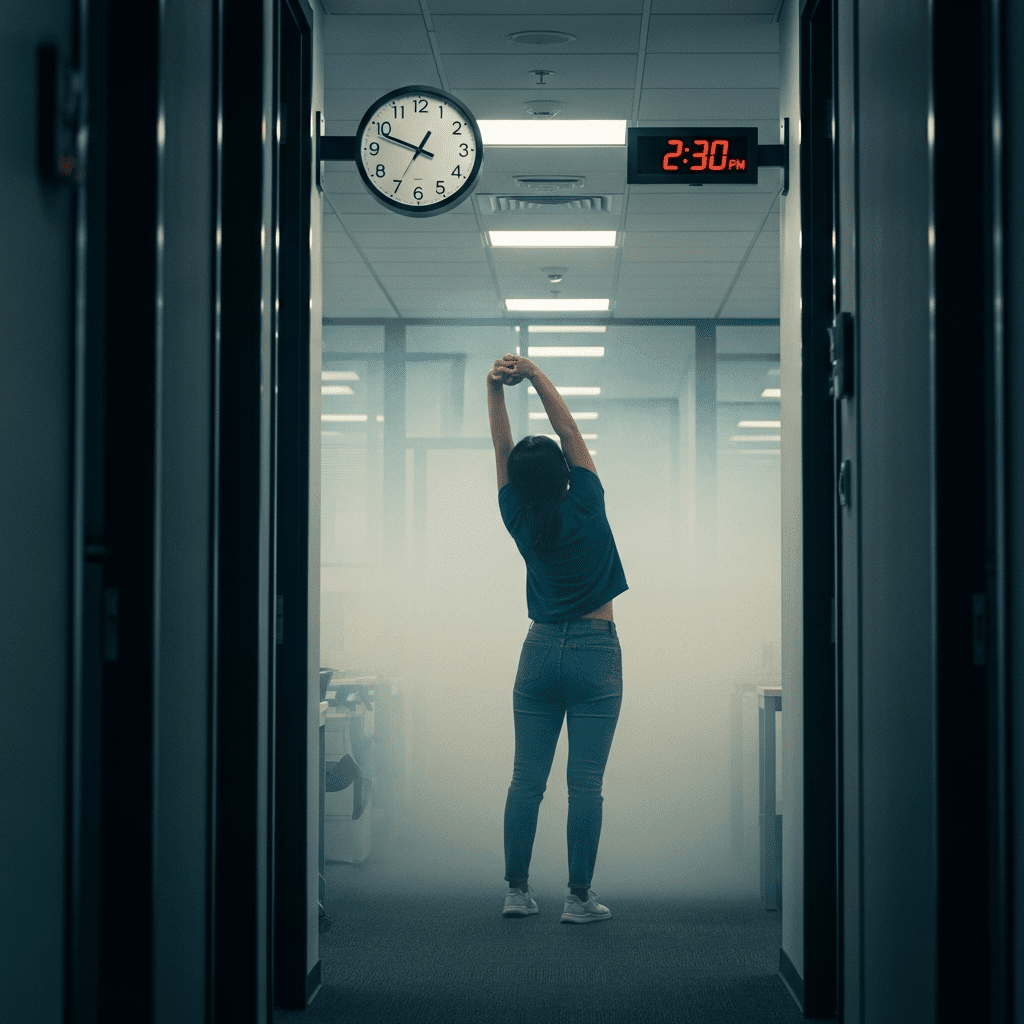
Mental fatigue builds when the brain works without breaks. Short pauses help reset attention and prevent burnout.
Try this simple rhythm:
- Work for 50 minutes
- Take a 5-minute break
Breaks are not lost productivity — they protect energy.
Are short work breaks really effective for afternoon energy?
Yes, short work breaks can help because mental fatigue builds during long stretches of uninterrupted focus. A brief pause, short walk, stretch, or screen break can reduce the pressure that often builds before the afternoon crash.
How Small Habits Work Together Before the Crash
One habit rarely stops an afternoon energy crash by itself. The strongest results usually come from combining small habits before the slump builds: movement in the morning, a balanced lunch, water before mid-afternoon, light exposure, and short work breaks.
Think of it as lowering the pressure before the crash starts. Each habit removes one trigger, so the normal afternoon dip is less likely to become a hard 3PM slump.
Common Mistakes That Make Afternoon Fatigue Worse
Many people accidentally create the conditions for an energy crash.
- Skipping Breakfast and Overeating at Lunch: Hunger builds, and lunch becomes heavier, increasing sleepiness. Even a small breakfast can help regulate energy.
- Drinking Coffee Instead of Water: Coffee can temporarily increase alertness, but it does not replace hydration.
- Sitting for Too Many Hours: Reduces circulation and muscle activity. Even short movement breaks help.
- Eating Fast Without Awareness: Eating quickly leads to overeating and sluggish digestion.
- Working Through Fatigue Instead of Resetting: Pushing through tiredness often worsens focus. Short resets restore energy faster.
The Science of Afternoon Fatigue (Simple Explanation)
Energy regulation involves communication between the brain, hormones, and muscles. Three key factors influence afternoon alertness:
- Glucose regulation
- Circadian rhythm signaling
- Nervous system balance
When blood sugar rises and falls quickly, fatigue follows. When the circadian rhythm signals a rest period, alertness drops. When the nervous system stays in “focus mode” too long, mental fatigue appears.
Small daily habits help keep these systems balanced. This is why simple behavior changes often work better than quick fixes.
A Practical Afternoon Energy Checklist
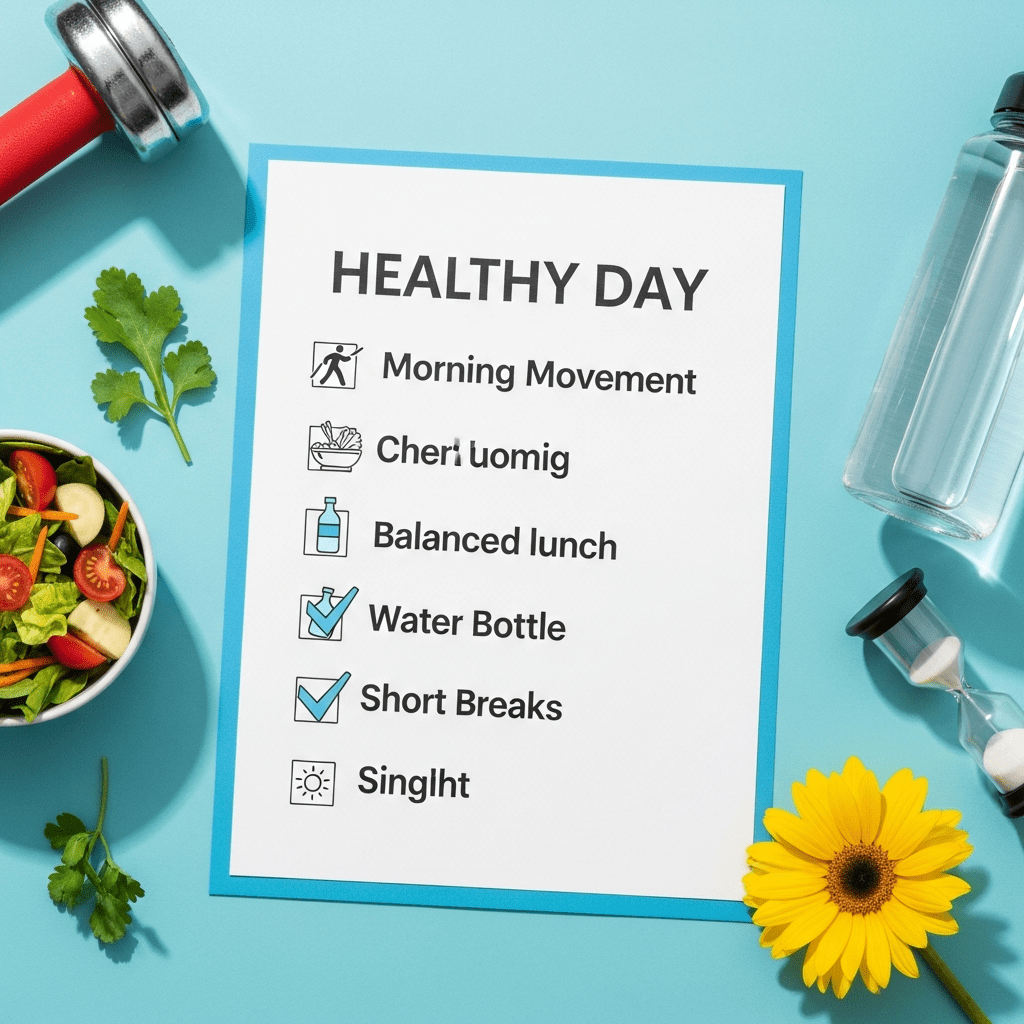
- Move for 5–10 minutes in the morning
- Eat protein and fiber at lunch
- Drink water throughout the day
- Take movement breaks every 1–2 hours
- Get natural light exposure
- Take short mental breaks
- Avoid heavy refined-carb lunches
Consistency matters more than perfection. Even improving a few of these habits can make afternoons easier.
Real-Life Example
Day one: No morning movement, coffee instead of water, fast heavy lunch, sitting for hours, no breaks → Energy drops quickly.
Day two: Short morning walk, balanced lunch, water throughout the day, standing breaks, sunlight exposure → Energy stays steady.
The difference isn’t motivation — it’s daily habits.
Why Energy Management Is a Habit Skill
Daily routines shape energy patterns. Energy management works like any habit: small changes, repeated consistently, built into normal routines. You don’t need perfect discipline, just predictable systems.
Building a Sustainable Routine
Start with one habit:
- Drinking water regularly
- Taking movement breaks
- Improving lunch balance
Once that habit feels automatic, add another. Your afternoon routine becomes easier to manage step by step.
The Long-Term Impact of a Steadier Afternoon Routine
When your afternoon routine becomes more stable, several parts of the day may feel easier to manage:
- Focus
- Mood
- Productivity
- Exercise consistency
- Evening relaxation
- Sleep timing
The goal is not perfect energy all day. The goal is fewer sharp crashes and a more predictable rhythm.
Final Thoughts on Stopping an Afternoon Energy Crash

An afternoon energy crash is not a personal weakness or a sign of poor sleep. It’s usually the result of how daily habits interact with natural body rhythms.
When hydration, movement, food, light, and breaks support your body’s energy systems, afternoons may feel more predictable and easier to manage. Instead of pushing through fatigue, you can prevent it. Stable energy is built through small, repeatable routines — and those routines can start today.
More Questions About Afternoon Energy Crash Prevention
How long does an afternoon slump usually last?
An afternoon slump may last from about 30 minutes to two hours, depending on sleep quality, lunch balance, hydration, movement, and workload.
If poor sleep quality keeps making the slump stronger, these evening habits to improve sleep quality can help you support tomorrow’s energy rhythm.
A short reset with water, light movement, and a task shift can make the dip easier to manage.
Can coffee fix an afternoon energy crash?
Coffee can temporarily improve alertness, but it does not fix triggers like dehydration, long sitting, poor lunch balance, or nonstop work. For some people, late caffeine may also affect nighttime sleep and make the next day’s slump stronger.
Does light exposure really help afternoon energy?
Light exposure can support circadian alertness signals, especially for people who work indoors most of the day. A few minutes near natural light or a brighter workspace may help the afternoon feel less heavy.
Build Your 2 PM Prevention Routine
If your afternoon energy crash keeps showing up, do not wait until you are already drained. Start with one small prevention habit before 2 PM: drink water, move for a few minutes, get light, or choose a steadier lunch.
- Before lunch: Drink water
- At lunch: Add protein and fiber
- Before 2 PM: Move for 3–5 minutes
- Mid-afternoon: Switch to a lighter task
About This Content
This article is for informational purposes only and is not a substitute for professional medical advice, diagnosis, or treatment. Occasional afternoon fatigue is common. If exhaustion is persistent, severe, worsening, or accompanied by other symptoms, speak with a qualified healthcare professional.
Content is based on established sleep science, hydration research, circadian rhythm education, and behavioral energy management principles.
