

You go out with friends, attend a work meeting, or spend hours talking with people—and everything feels fine in the moment. But later, you suddenly feel completely drained. Your energy drops, your brain feels foggy, and all you want is to be alone.
If you’ve ever wondered why you feel tired after socializing, you’re not imagining it. This isn’t just about personality or being “introverted.” In reality, your body is going through a biological energy cycle that affects your brain, hormones, and nervous system.
What’s actually happening is a nervous system overload followed by a delayed energy crash. This is why you feel tired after socializing even when everything felt fine during the moment. And once you understand this pattern, your fatigue starts to make a lot more sense.
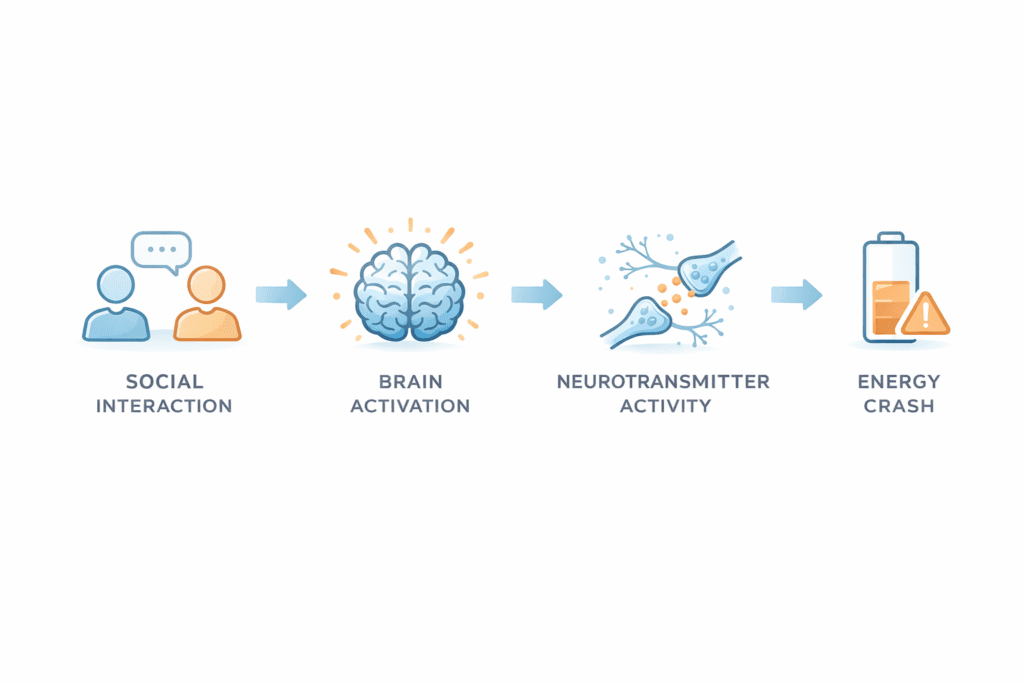
Table of Contents
Why does socializing make me so tired?
Socializing makes you feel tired because your brain is continuously tracking conversations, adjusting responses in real time, and staying mentally engaged without pause—all at the same time. This increases cognitive load and activates your nervous system, which requires significant energy.
As the interaction continues, your brain consumes more fuel and builds up fatigue signals. Once it ends, your system shifts into recovery mode, leading to a noticeable drop in energy and mental clarity.
What Is Social Fatigue and Why Your Brain Loses Energy After Social Interaction
Social fatigue is a biological and mental energy depletion that occurs after prolonged social interaction, caused by increased cognitive load, nervous system activation, and neurochemical changes such as dopamine drop and cortisol shifts. It typically leads to exhaustion, brain fog, and a strong need for isolation to recover.
This type of fatigue shares similarities with other daily energy crashes, like what happens in why do I feel tired after eating or during an afternoon energy crash, but the core mechanism here is neurological rather than metabolic.
The Hidden Reason Social Interaction Activates Your Stress and Energy Systems
Social interaction may feel casual, but biologically, it’s a high-demand activity.
When you’re talking to people, your brain is constantly working to interpret tone, facial expressions, and body language while choosing the right words and managing your reactions. This activates your prefrontal cortex and keeps your attention sharply focused.
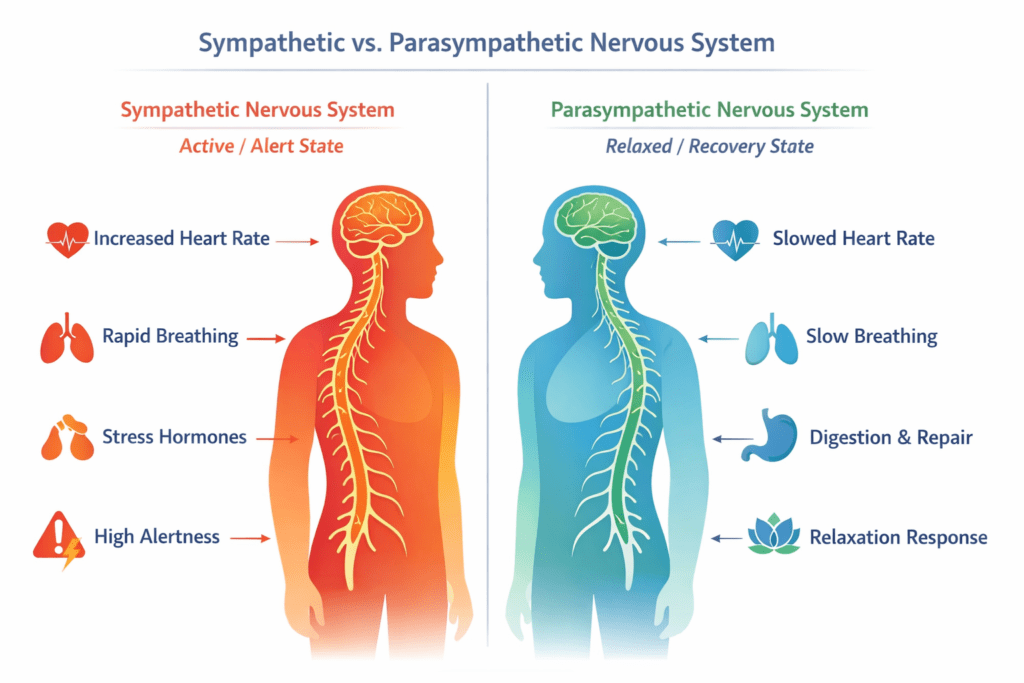
At the same time, your sympathetic nervous system increases activity, raising heart rate and releasing cortisol. According to Mayo Clinic stress response explanation, this system prepares your body for action—even in non-dangerous situations like conversations.
Even if you feel relaxed, your body is operating in a mild alert state the entire time.
Is it normal to feel tired after socializing?
Yes, it is completely normal to feel tired after socializing. Your body activates stress and focus systems during interaction, which consume mental and physical energy.
Afterward, your nervous system shifts into recovery mode, leading to fatigue, especially after long or stimulating conversations.
The Science Behind Why Your Brain Burns More Energy During Conversations
Talking to people isn’t passive—it’s one of the most energy-intensive activities your brain performs.
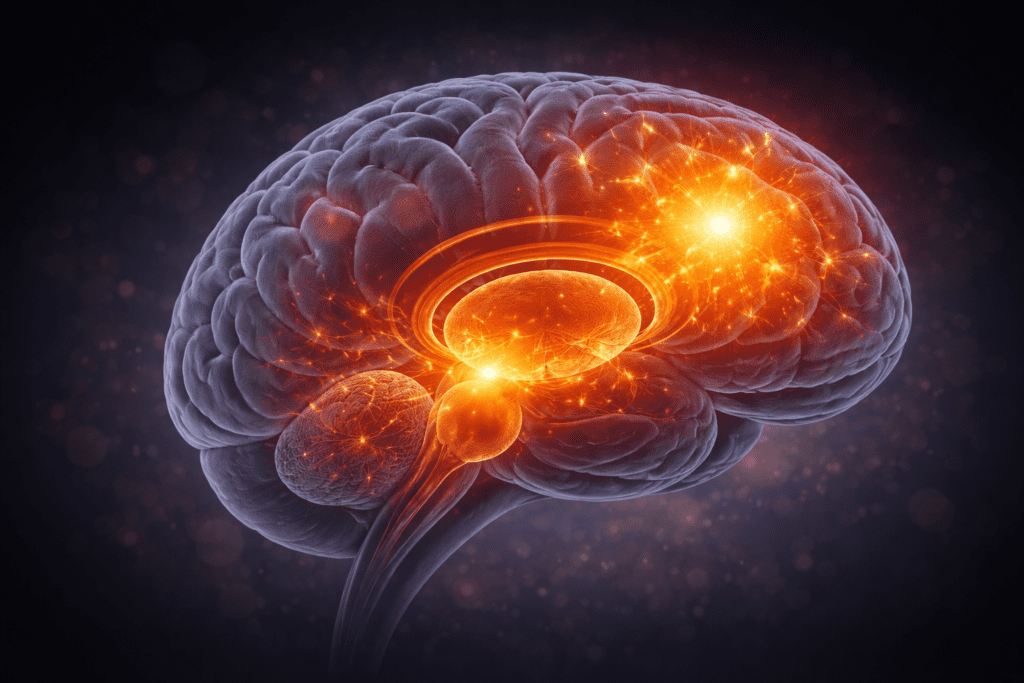
Your brain uses glucose as its main fuel. During conversations, multiple regions activate at once, including the prefrontal cortex for decisions, the temporal lobes for language, and the limbic system for emotional processing.
Research on brain energy consumption, such as findings from NCBI studies on brain metabolism, shows that increased neural activity significantly raises energy demand.
Over time, this leads to mental fatigue similar to what happens after long workdays or intense focus periods, like those described in mental fatigue after work reset.
The Role of Adenosine Buildup and What Happens When Your Brain Signals Fatigue
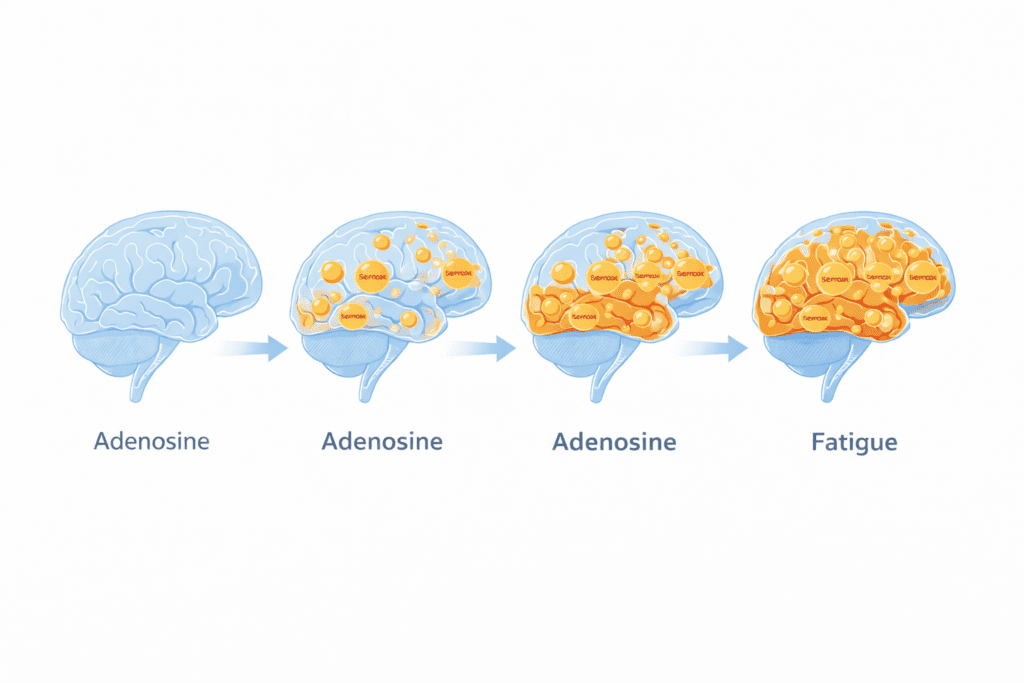
One of the most overlooked reasons you feel tired after socializing is the buildup of a molecule called adenosine.
Adenosine naturally accumulates in your brain throughout the day as you use mental energy. The more your brain is active—especially during tasks like conversations, decision-making, and emotional regulation—the faster adenosine levels rise.
During social interaction, your brain is highly engaged, which accelerates this buildup. Unlike dopamine or cortisol, which rise and fall quickly, adenosine builds gradually and acts as a fatigue signal.
Once it reaches a certain threshold, your brain starts sending clear signals:
- Slow down
- Reduce activity
- Prepare for rest
This is similar to what happens during long work sessions or sustained mental effort, as seen in patterns like mental fatigue after work reset.
The key difference is that socializing combines multiple demands at once—cognitive, emotional, and sensory—causing adenosine to accumulate faster than you expect.
That’s why even a few hours of social interaction can leave you feeling mentally heavy and ready to shut down.
Here’s a simplified breakdown of what happens inside your body during social interaction, based on how different systems respond over time:
| Stage | What’s Happening | Energy Level | Brain State | Signal |
|---|---|---|---|---|
| 🟢 Start | Conversation begins | High | Alert and engaged | Focus increases |
| 🟡 Mid Interaction | Cognitive + emotional load builds | Medium | Processing multiple inputs | Subtle fatigue starts |
| 🟠 Late Interaction | Neurotransmitters begin to drop | Lower | Slower response time | Mental strain increases |
| 🔴 Post Interaction | Nervous system shifts to recovery | Low | Reduced activity | Energy crash |
This pattern explains why you often feel fine during socializing but experience a noticeable crash afterward—the fatigue builds quietly before it becomes obvious.
The Real Cause of Eye Contact and Micro-Decisions Draining Mental Energy
One hidden reason you feel tired after socializing is the constant need to make micro-decisions in real time. Every second, your brain is deciding where to look, when to speak, how to react, and how to respond appropriately.
Eye contact alone activates multiple brain regions, including attention control and emotional interpretation systems. This creates a continuous loop of decision-making that increases mental strain.
Over time, this builds a type of fatigue similar to what happens during prolonged screen exposure, as explained in why eyes feel tired after screens.
The more socially engaged you are, the more these micro-decisions accumulate—and the faster your energy drains.
What Happens When Dopamine and Cortisol Drop After Social Stimulation Ends
Here’s where the real crash begins.
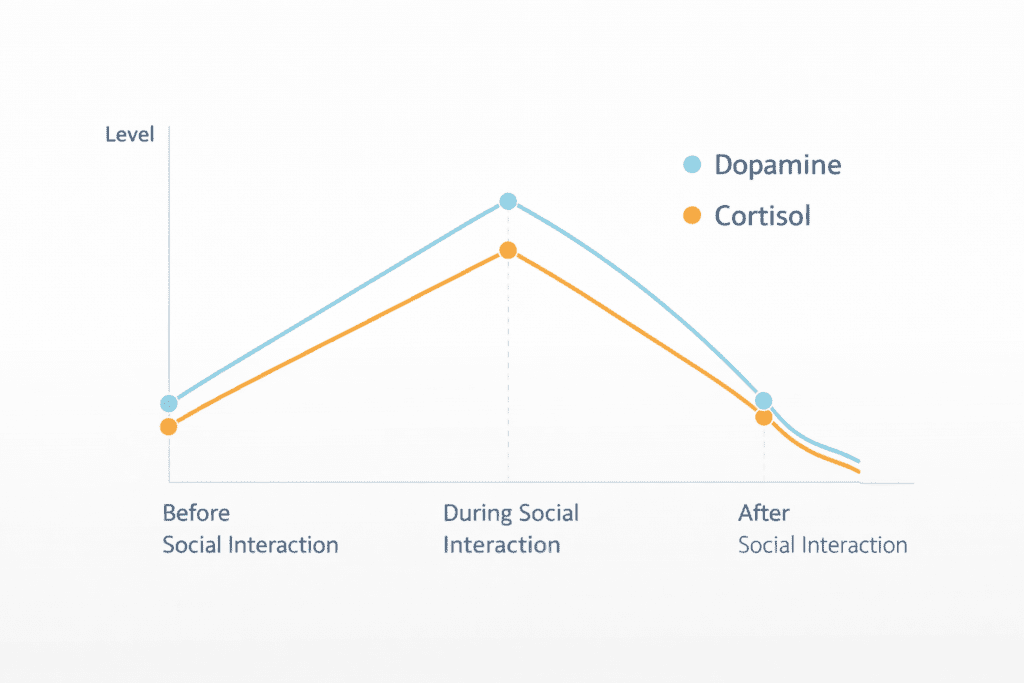
During social interaction, your brain releases dopamine, which keeps you engaged and motivated. Cortisol also stays slightly elevated to maintain alertness.
But once the interaction ends, both dopamine and cortisol begin to drop. This creates a sudden shift from stimulation to low activation.
This drop leads to:
- Reduced motivation
- Mental fog
- Low energy
This pattern is similar to what happens in an afternoon energy dip, but here it’s triggered by social stimulation rather than time of day.
Why do I feel fine during socializing but crash after?
During socializing, your brain stays in a temporarily activated state that masks fatigue. Once that stimulation drops, the underlying exhaustion becomes noticeable almost immediately.
After the interaction ends, these levels drop quickly, revealing the fatigue that built up during the conversation, which leads to a sudden energy crash.
How Your Nervous System Shifts From Activation to Sudden Energy Collapse
Your body cannot stay in a high-alert state forever.
After social interaction, your nervous system shifts from sympathetic mode to parasympathetic mode, which is responsible for rest and recovery.
This shift often happens quickly, creating a parasympathetic rebound. As a result, your heart rate slows, your body relaxes, and your energy drops sharply.
This is why fatigue appears after socializing—not during it.
What Happens When Multiple Biological Systems Cause You to Feel Tired After Socializing
These systems don’t work separately—they combine at the same time to create a full-body energy drain after social interaction.
- Nervous system overactivation during interaction
- Increased brain energy consumption
- Dopamine depletion after stimulation
- Cortisol drop reducing alertness
- Parasympathetic rebound causing energy crash
The Real Cause of Sensory Overload and Its Impact on Mental Energy
Most social environments are full of stimulation.
Noise, lighting, multiple conversations, and constant movement all demand attention. Your brain filters this information continuously, increasing sensory load.
This process is similar to what happens in screen-related fatigue, explained in why eyes feel tired after screens.
The more stimulation your brain processes, the faster your energy drains.
How Constant Topic Switching Forces Your Brain to Work Harder Than You Realize
During social interaction, your brain is constantly switching between topics, tones, and responses.
Every time the conversation changes—even slightly—your brain has to quickly adjust and reconfigure how it processes information. This rapid switching consumes more energy than steady focus.
Over time, this creates a deeper form of fatigue than simple mental effort, because your brain is repeatedly resetting instead of staying stable.
What Happens When Cognitive Load Builds Faster Than Your Brain Can Recover
Your brain doesn’t just become overloaded—it begins to lose efficiency.
As neural activity continues, communication between brain regions becomes slightly slower and less synchronized. This reduces processing accuracy and increases mental friction, which is why tasks start to feel harder even if they’re simple.
This is not just about effort—it’s about declining neural efficiency over time.
When this load exceeds your brain’s ability to recover, symptoms appear:
- Slower thinking
- Difficulty focusing
- Irritability
Eventually, your brain reduces activity to conserve energy, leading to fatigue.
The Hidden Role of Social Prediction and Anticipation in Energy Depletion
Your brain doesn’t just react—it predicts.
During conversations, your brain constantly tries to:
- Anticipate responses
- Predict outcomes
- Prepare replies in advance
This predictive processing increases neural activity and consumes more energy than passive listening.
This is why even “easy” conversations can feel exhausting. Your brain is running ahead of the moment, not just responding to it.
This same anticipatory fatigue can also contribute to patterns seen in mentally drained but restless, where the brain remains active even after stimulation ends.
The Link Between Emotional Regulation and Post-Social Energy Depletion
Social interaction requires emotional control.
You manage reactions, adjust tone, and maintain appropriate responses. This process uses both the limbic system and prefrontal cortex.
The effort required to regulate emotions adds another layer of energy consumption, similar to mental exhaustion described in mentally drained but restless.
The more emotional effort required, the stronger the fatigue afterward.
If you’re noticing similar energy drops during the day, it’s often part of a broader fatigue pattern that builds over time.
Discover what causes sudden energy crashes and how your body responds:
Why Your Energy Crashes in the Afternoon (And What’s Really Happening)
Why Small Talk Feels More Exhausting Than Deep Conversations and What Happens in Your Brain
Not all social interactions drain energy equally.
Small talk often requires:
- More mental filtering
- Less emotional authenticity
- Higher cognitive effort to maintain flow
Your brain works harder to stay engaged without meaningful context.
In contrast, deeper conversations reduce cognitive strain because they align better with emotional processing systems.
This explains why short, surface-level interactions can feel more tiring than long meaningful ones.
Why Introverts and Extroverts Experience Social Fatigue Differently
Not everyone experiences social fatigue in the same way, and one of the biggest factors is how your brain responds to stimulation.
Introverts tend to be more sensitive to external input like conversations, noise, and social demands. Their brains reach cognitive overload faster, which means their energy drops sooner—even if they enjoy the interaction.
Extroverts, on the other hand, often have a higher tolerance for stimulation. Social interaction can feel energizing at first because it increases dopamine levels and engagement. However, this doesn’t mean they are immune to fatigue. After prolonged interaction, extroverts can still experience the same crash once their nervous system shifts into recovery mode.
The key difference is not whether someone gets tired, but how quickly their brain reaches overload and how they recover afterward.
This explains why some people feel drained after a short conversation, while others can socialize for hours before noticing fatigue.
If you’ve also noticed energy crashes in other situations, like after meals or during the afternoon, this follows a similar pattern of how your body manages stimulation and recovery. You can explore this further in why you feel tired after eating and afternoon energy crash patterns.Here’s the part most people don’t realize:
What Most People Miss About Why Socializing Feels Fine Until It Ends
Most people assume socializing drains energy during the interaction.In reality, your body stays in a temporarily stimulated state that hides fatigue signals while the interaction is ongoing.
Once the interaction ends, these chemicals drop, revealing the fatigue that was already building.
This delayed effect is why the exhaustion feels sudden.
The Hidden Cost of Self-Monitoring During Social Interaction
Another reason you feel tired after socializing is constant self-monitoring.
Your brain is continuously checking:
- How you sound
- How you appear
- How others are reacting to you
This creates a second layer of mental effort on top of the conversation itself.
Unlike emotional regulation, which manages feelings, self-monitoring focuses on how you are perceived—making it more subtle but equally draining over time.
What Happens When Social Fatigue Symptoms Start Appearing and How to Recognize Them Early
As fatigue builds, your body starts showing early warning signs that your brain is reaching its limit.
- Mental exhaustion and brain fog
- Irritability
- Difficulty concentrating
- Physical tiredness
- Desire to be alone
- Low motivation
These symptoms often overlap with patterns seen in tired after sitting too long or why sitting makes you tired, but the trigger here is cognitive and social rather than physical inactivity.
How Time of Day and Environment Intensify Post-Social Fatigue
Fatigue after socializing depends on context.
In the afternoon, natural cortisol dips make energy crashes stronger. You can see similar patterns in afternoon habits boost energy.
At night, rising melatonin increases sleep pressure, making social fatigue more noticeable. This connects with patterns like wired but tired at night.
Loud or crowded environments also increase sensory demand, accelerating fatigue.
Why Some Social Situations Drain You Faster Than Others and What Changes in Your Brain
Not all social interactions affect your energy in the same way.
The level of fatigue depends on how much your brain has to work in each situation.
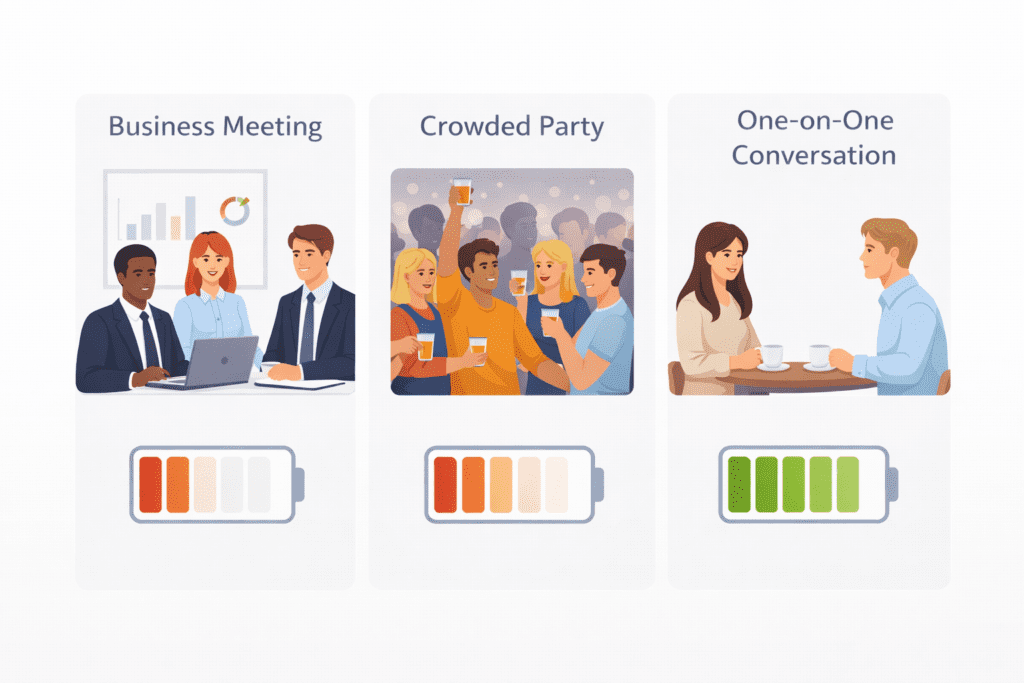
1. Work meetings
These often require high levels of attention, self-monitoring, and performance control. Your brain stays in a semi-alert state, increasing cortisol and cognitive load.
2. Large social gatherings
Crowded environments increase sensory input, forcing your brain to filter multiple conversations, sounds, and movements at once. This accelerates mental fatigue and overload.
3. One-on-one conversations
These are usually less draining because they reduce sensory load and allow more natural communication patterns.
4. Emotionally demanding interactions
Situations involving conflict, deep discussion, or emotional support require more energy due to increased limbic system activity and emotional regulation.
This explains why you might feel fine after one type of interaction but completely drained after another.
The pattern is similar to how different daily habits affect energy levels, as discussed in daily habits for energy.
Your brain is not reacting to “socializing” itself—it’s reacting to the intensity and complexity of the interaction.
Understanding this helps you predict when fatigue will happen and why certain situations hit harder than others.
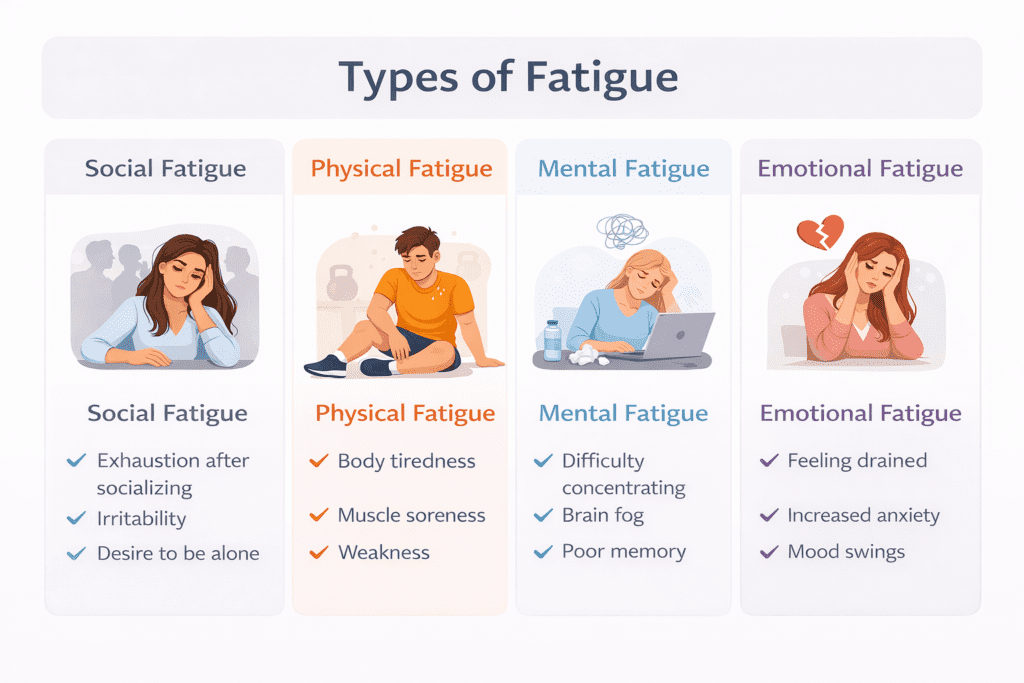
To understand why social fatigue feels different from other types of tiredness, it helps to compare what’s happening inside your body.
| Type of Fatigue | Main Trigger | Primary System Involved | How It Feels | Recovery Type |
|---|---|---|---|---|
| Social Fatigue | Conversations, interaction | Nervous system + brain | Mental drain, brain fog | Quiet time, low stimulation |
| Physical Fatigue | Exercise, movement | Muscles + circulation | Body tiredness, soreness | Rest, sleep |
| Mental Work Fatigue | Focused tasks, work | Prefrontal cortex | Difficulty concentrating | Breaks, mental reset |
| Sensory Fatigue | Noise, crowds, screens | Sensory processing system | Overwhelm, irritability | Silence, reduced input |
| Emotional Fatigue | Stress, emotional control | Limbic system | Irritability, heaviness | Relaxation, emotional release |
As you can see, social fatigue is not just “feeling tired”—it’s a combination of multiple systems working at the same time, which makes it more complex than other types of fatigue.
How Long Social Events Gradually Shift Your Brain Into Energy Conservation Mode
During extended social interaction, your brain begins to conserve energy.
It does this by:
- Reducing attention
- Slowing processing speed
- Lowering engagement
This shift happens gradually and often goes unnoticed until fatigue becomes obvious.
This is similar to patterns seen in prolonged daily energy decline, like those explained in afternoon energy crash prevention.
Once this conservation mode begins, your brain is already preparing to shut down activity.
What Is a Social Hangover and Why It Happens After Socializing
Sometimes the fatigue doesn’t just hit right after socializing—it can last for hours or even into the next day. This is often referred to as a social hangover.
A social hangover is a delayed recovery state where your brain and nervous system are still trying to rebalance after prolonged stimulation.
Common signs include:
- Persistent mental fatigue
- Brain fog and slow thinking
- Irritability or low mood
- Reduced motivation
- Sensitivity to noise or light
This happens because your brain has not fully recovered from the combined effects of cognitive load, neurotransmitter depletion, and nervous system activation.
If social interaction was long, intense, or emotionally demanding, recovery takes longer. Your brain continues to conserve energy even after the event is over, which is why you may feel “off” the next day.
This delayed fatigue pattern is similar to other energy imbalances, such as feeling mentally drained but restless or experiencing ongoing low energy due to poor recovery habits.Understanding social hangovers helps you recognize that fatigue is not just about the moment—it’s about how your body recovers afterward.
The Impact Of Repeated Social Stimulation Without Proper Recovery Time
When you socialize frequently without recovery, your system doesn’t reset.
This leads to:
- Chronic fatigue
- Reduced tolerance to stimulation
- Lower baseline energy
Proper recovery habits, like those in daily habits for energy and simple hydration habits, help stabilize energy levels.
The Link Between Hydration, Blood Flow, and Post-Social Energy Levels
One overlooked factor in social fatigue is hydration.
During long conversations, especially in warm or crowded environments, your body may lose fluids without you noticing.
Even mild dehydration can:
- Reduce blood flow to the brain
- Lower oxygen delivery
- Increase fatigue
This connects with patterns explained in simple daily hydration habits.
Proper hydration supports brain function and helps reduce the intensity of post-social fatigue.
What Happens When You Ignore Early Fatigue Signals and Keep Socializing
Ignoring early signs of fatigue increases stress on your system.
Cortisol stays elevated longer, and recovery becomes slower.According to Harvard Health mental fatigue insights, prolonged cognitive strain can reduce focus and increase irritability.
This can lead to headaches, poor concentration, and sleep disruption.
The Real Cause of Why Some People Experience Stronger Post-Social Exhaustion
Fatigue intensity varies based on several factors:
- Sleep quality
- Stress levels
- Environment
- Duration of interaction
People with higher sensitivity to stimulation or heavier mental workloads experience faster energy depletion.
The Hidden Reason Your Brain Needs Isolation After Social Interaction Ends
After socializing, your brain needs a low-stimulation environment.
This allows neurotransmitters to rebalance and the nervous system to reset. Quiet time, reduced input, and minimal cognitive demand support recovery.
This is similar to recovery strategies used in improve sleep quality evening habits and general rest patterns supported by CDC sleep guidance.
The urge to be alone is not avoidance—it is a biological recovery mechanism.

Can socializing drain your energy physically?
Yes, socializing can drain your energy physically as well as mentally. Increased brain activity, stress hormone release, and prolonged attention all require energy. Over time, this can lead to physical tiredness, muscle tension, and overall fatigue, especially after long or intense interactions.
Why Your Brain Feels Slower After Socializing and What That Means for Recovery
After social interaction, many people notice their thinking becomes slower.
This is not random—it’s a protective response.
Your brain reduces processing speed to:
- Conserve energy
- Allow recovery
- Stabilize neurotransmitters
This slowdown is similar to what happens after intense mental effort or long work sessions.
It’s also why simple tasks can feel harder after social events.
The key is understanding that this is temporary and part of the recovery cycle.
How to Recover Faster After Socializing and Restore Your Energy
Understanding why you feel tired after socializing is important—but what really makes a difference is how you recover.
Your brain and nervous system need the right conditions to reset after prolonged stimulation. Without proper recovery, fatigue can last longer and feel more intense.
Here are the most effective ways to recover your energy after social interaction:
1. Reduce stimulation immediately
After socializing, give your brain a break from noise, screens, and conversations. A quiet environment helps your nervous system shift into recovery mode faster.
2. Spend time alone (even briefly)
Short periods of isolation allow your brain to rebalance neurotransmitters and reduce cognitive load. Even 10–20 minutes can make a noticeable difference.
3. Rehydrate and support brain function
Mild dehydration can worsen fatigue. Drinking water and maintaining hydration helps restore blood flow and oxygen delivery to the brain.
You can improve this further by following simple habits like those explained in <a href=”https://everydayhealthplan.com/simple-daily-hydration-habits-energy/”>daily hydration routines</a>.
4. Avoid additional mental load
Jumping into work, scrolling, or multitasking immediately after socializing can delay recovery. Give your brain time to reset before engaging in demanding tasks.
5. Use low-effort activities to recharge
Activities like walking, listening to calm music, or sitting quietly help your brain recover without adding extra cognitive demand.
6. Improve your baseline energy
If you often feel exhausted after socializing, your baseline energy may already be low. Building consistent habits can help stabilize your energy throughout the day.
Learn how to maintain stable energy levels in daily energy habits.Conclusion: Why You Feel Tired After Socializing Is a Biological Pattern You Can Finally Understand
Feeling tired after socializing is not a personality flaw, and it’s not something you need to “fix.” It’s the result of a predictable biological cycle involving your nervous system, brain energy use, and neurochemical shifts.
From the moment you start interacting, your brain increases activity across multiple systems—handling conversations, adjusting responses, and staying mentally engaged without pause. This creates a steady buildup of cognitive load, neurotransmitter depletion, and fatigue signals like adenosine.
At the same time, stimulating chemicals like dopamine and cortisol keep you feeling engaged, masking the fatigue that’s quietly building underneath. Then, once the interaction ends, your system shifts into recovery mode. That’s when the energy drop hits.
This is why you feel tired after socializing—not during it.
What most people miss is that this pattern is not random. It follows a clear sequence:
- Activation
- Stimulation
- Load accumulation
- Neurochemical drop
- Recovery-driven crash
Once you understand this, something important changes.
Instead of questioning why your energy disappears, you start recognizing when your brain is reaching its limit. You can anticipate the crash, adjust your environment, and give your body the recovery it actually needs.
And that’s the real shift:
👉 You stop blaming yourself for feeling drained
👉 And start managing your energy based on how your brain actually works
Now that you understand what’s happening inside your body, the next step is learning how to stabilize your energy throughout the day.
Learn simple daily habits that help your brain and body stay energized without burnout.
Read the Daily Energy Habits GuidePeople Also Ask
Why do I feel mentally drained after talking to people for a long time?
Mental drain happens because your brain is continuously managing conversations, processing information, and regulating responses without breaks. Over time, this builds cognitive fatigue and reduces mental efficiency, leading to exhaustion after the interaction ends.
Can socializing overload your brain even if you enjoy it?
Yes, even enjoyable socializing can overload your brain. Positive interactions still require attention, emotional processing, and decision-making, which consume energy and activate your nervous system, eventually leading to fatigue.
Why do I need to be alone after spending time with people?
Your brain needs low-stimulation time to recover after social interaction. Being alone reduces sensory input and allows your nervous system to reset, helping restore energy and balance neurotransmitters.
Does talking to people use a lot of brain energy?
Yes, conversations require significant brain energy because they involve language processing, emotional interpretation, and rapid decision-making. This high level of activity increases energy demand and contributes to fatigue.
Why do social events feel more exhausting than working alone?
Social events involve multiple simultaneous demands—conversation, attention, emotional regulation, and environmental awareness—while working alone is usually more controlled and less stimulating, making it less draining.
How long does it take to recover from social fatigue?
Recovery time depends on the intensity of the interaction, but most people start feeling better after a period of quiet rest, reduced stimulation, and mental relaxation.
Can being around people all day lower your overall energy levels?
Yes, prolonged social exposure without recovery can lower your baseline energy. Continuous stimulation prevents your nervous system from fully resetting, leading to ongoing fatigue.
Our Research Process and Content Reliability Standards
This article is grounded in well-established principles of neuroscience, cognitive psychology, and human physiology. It explains how the brain, nervous system, and energy-regulation processes interact during social behavior, using clear cause-and-effect explanations based on how real-world interactions affect mental and physical energy.
The content reflects practical, experience-based understanding of everyday fatigue patterns observed in work environments, social settings, and daily routines. It connects scientific concepts—such as neurotransmitter shifts, cognitive load, and nervous system states—to realistic scenarios that readers commonly experience.
By focusing on mechanism-based explanations rather than general advice, the article provides reliable, structured insights that help readers understand why fatigue occurs and how the body responds to prolonged social stimulation.
