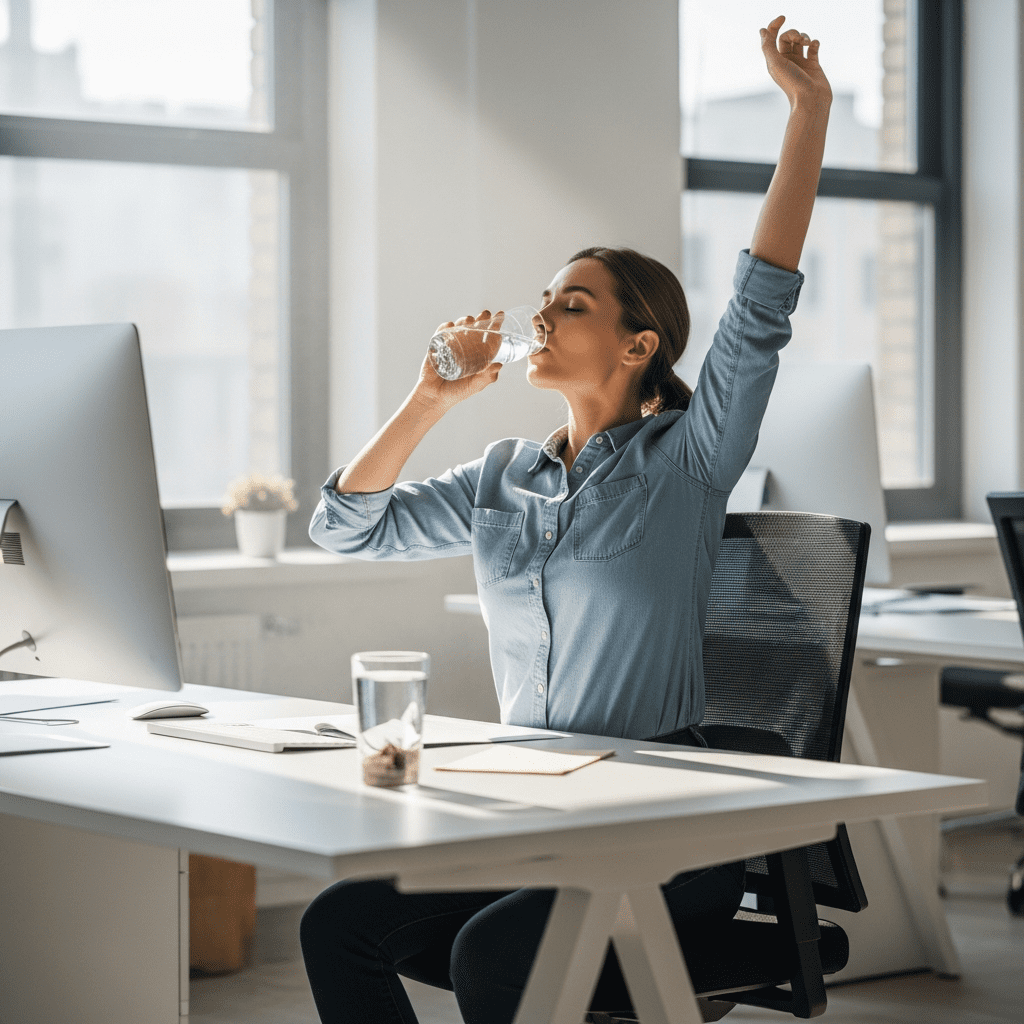
You’re staring at your computer at 2:30 p.m., coffee half-drunk, eyelids heavy, and your to-do list feels endless. That dreaded mid-afternoon energy slump is a universal struggle, especially for busy office workers juggling deadlines, meetings, and back-to-back Zoom calls. The good news? You don’t need a second cup of coffee or sugary snack to pull yourself out of it. Implementing micro habits to boost afternoon energy can restore focus, elevate mood, and improve productivity in minutes. In this article, we’ll break down 7 science-backed micro habits you can integrate into your workday—even on your busiest afternoons. You’ll leave armed with practical steps, checklists, and routines ready to implement today. For more ideas, check out our guide on afternoon energy crash prevention.
1. Stand Up and Move Every Hour to Boost Afternoon Energy

Sitting for long stretches slows circulation, reduces oxygen flow to the brain, and decreases alertness. Setting a timer to stand or stretch every hour can dramatically improve focus. Walk to a coworker’s desk instead of sending an email, take a quick hallway stroll, or do mini stretches. Jane, a marketing manager, found her 3 p.m. slump disappeared after walking to deliver documents instead of emailing. It not only recharged her energy but also built rapport with her team. Research shows micro-movements every hour increase mental alertness by up to 30% and reduce feelings of lethargy in office workers. Learn how to combine movement with posture resets in our article 3-minute posture reset for desk workers.
2. Hydrate Strategically to Prevent Midday Slumps
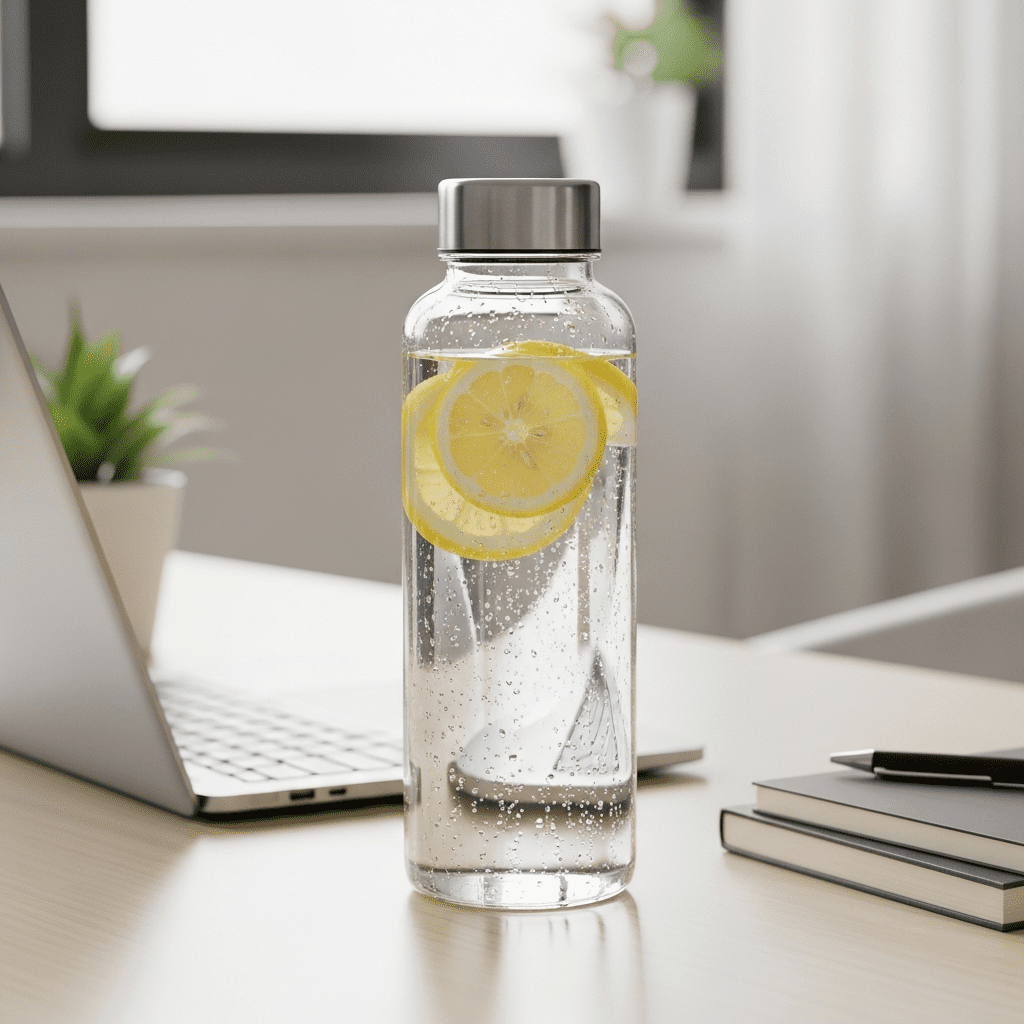
Even mild dehydration affects mood, attention, and energy levels. Many workers mistake thirst for fatigue, reaching for coffee instead of water. Keep a 16–32 oz water bottle at your desk and aim to refill it twice before 3 p.m. Add lemon, cucumber, or mint slices for a subtle refresh. Tom, a financial analyst, realized he was drinking only 8 oz of water before lunch. After tracking hydration for one week, he reported feeling 25% more alert mid-afternoon. Waiting until you feel thirsty is already too late. Mild dehydration is enough to impair focus. Regular water intake throughout the day supports steady energy (CDC – About Water & Healthier Drinks) and can enhance brain function (CDC – Fast Facts: Water Consumption Data). Pair hydration with a 30-second stretch for double benefit. For daily hydration routines that fit busy schedules, see simple daily hydration habits for energy.
3. Power Up with a Protein-Packed Snack for Lasting Energy
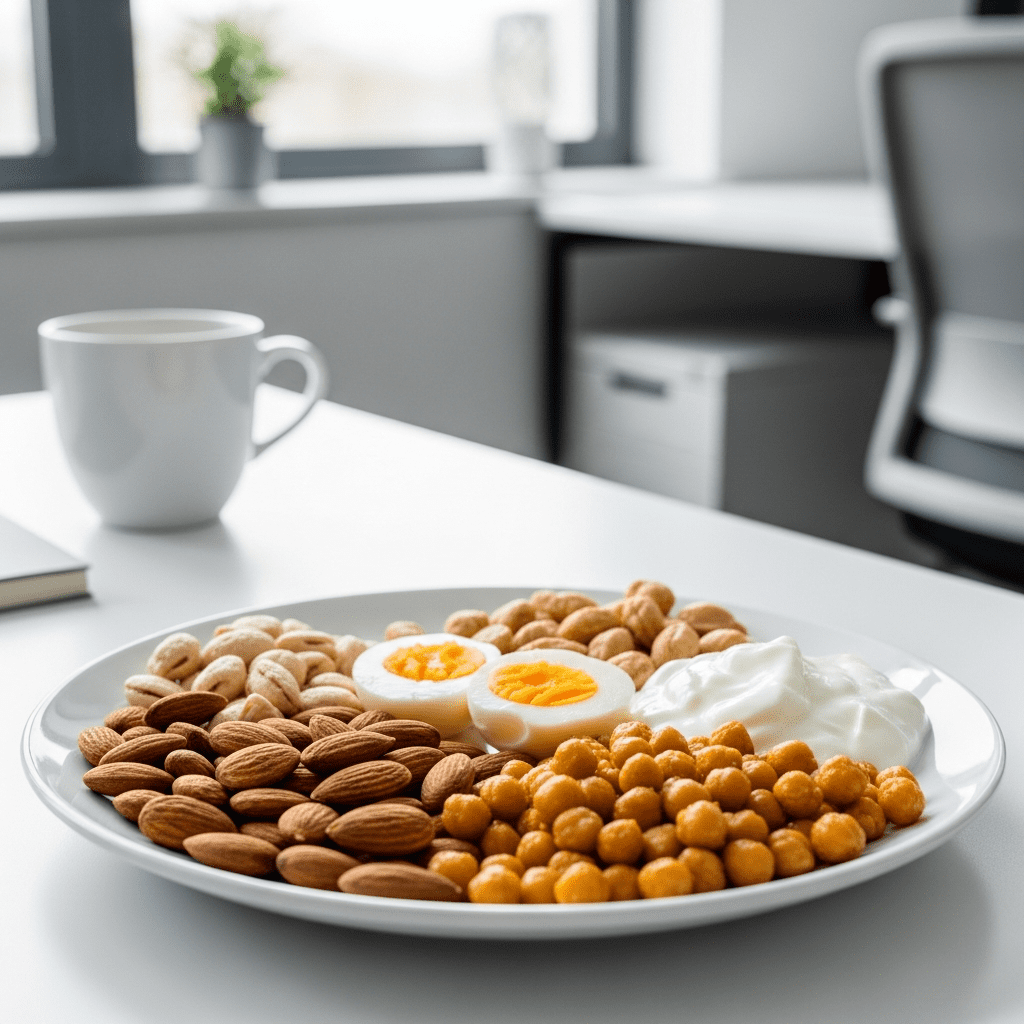
Blood sugar dips after lunch are a key reason for the mid-afternoon crash. Protein and fiber slow digestion and stabilize blood sugar. Snack on 1 oz almonds, a boiled egg, Greek yogurt, or low-fat cheese. Avoid sugary options like candy bars, which spike energy briefly before crashing it. Emily, a software developer, switched from cookies to roasted chickpeas at 3 p.m., and her focus lasted until 5 p.m. Studies show balanced snacks improve cognitive function and mood during prolonged mental tasks. Pre-portion snacks into small containers to prevent overeating and keep energy levels consistent. For more snack ideas, see high-protein snacks under 200 calories, Mayo Clinic – Choose Snacks Wisely, and Harvard T.H. Chan – The Science of Snacking.
4. Practice a 2-Minute Breathing Reset to Reclaim Focus

Stress and mental fatigue amplify energy dips. Short, focused breathing exercises calm the nervous system and boost oxygenation. Sit upright, inhale through your nose for 4 counts, hold for 4 counts, exhale slowly through your mouth for 6 counts, and repeat 4–5 times. Marcus, a project manager, felt his mental fog lift after two minutes of this breathing technique during back-to-back meetings. Close your eyes to increase the reset effect and pair with gentle neck rolls. Controlled breathing increases parasympathetic activation, lowering cortisol and boosting alertness. You can combine this with desk breathing exercises for office workers for enhanced focus.
5. Step Outside for Light Exposure to Recharge Energy

Natural light regulates your circadian rhythm, which directly impacts energy and alertness. Step outside for 5–10 minutes or sit near a window with sunlight exposure. If natural light isn’t available, a bright desk lamp can serve as a substitute. Sarah, a legal assistant, schedules a short outdoor break daily and reports returning to work feeling more awake and motivated. Light exposure increases cortisol in a healthy rhythm and signals your brain to stay alert.
6. Engage in a Mini Mental Challenge to Stay Alert

Monotony is a fatigue amplifier. Stimulating your brain, even briefly, can improve alertness. Solve a 3-minute puzzle app, play a word association game with a colleague, or brainstorm three new ideas unrelated to work tasks. Checking social media feels like a “quick refresh” but overstimulates the brain and worsens fatigue. Alan, a data analyst, switched to short mental challenges instead of scrolling Instagram and maintained focus for hours. Novel mental tasks increase dopamine release, improving mood, attention, and motivation.
7. Use a Stand-Up Desk Micro Work Session for Energy
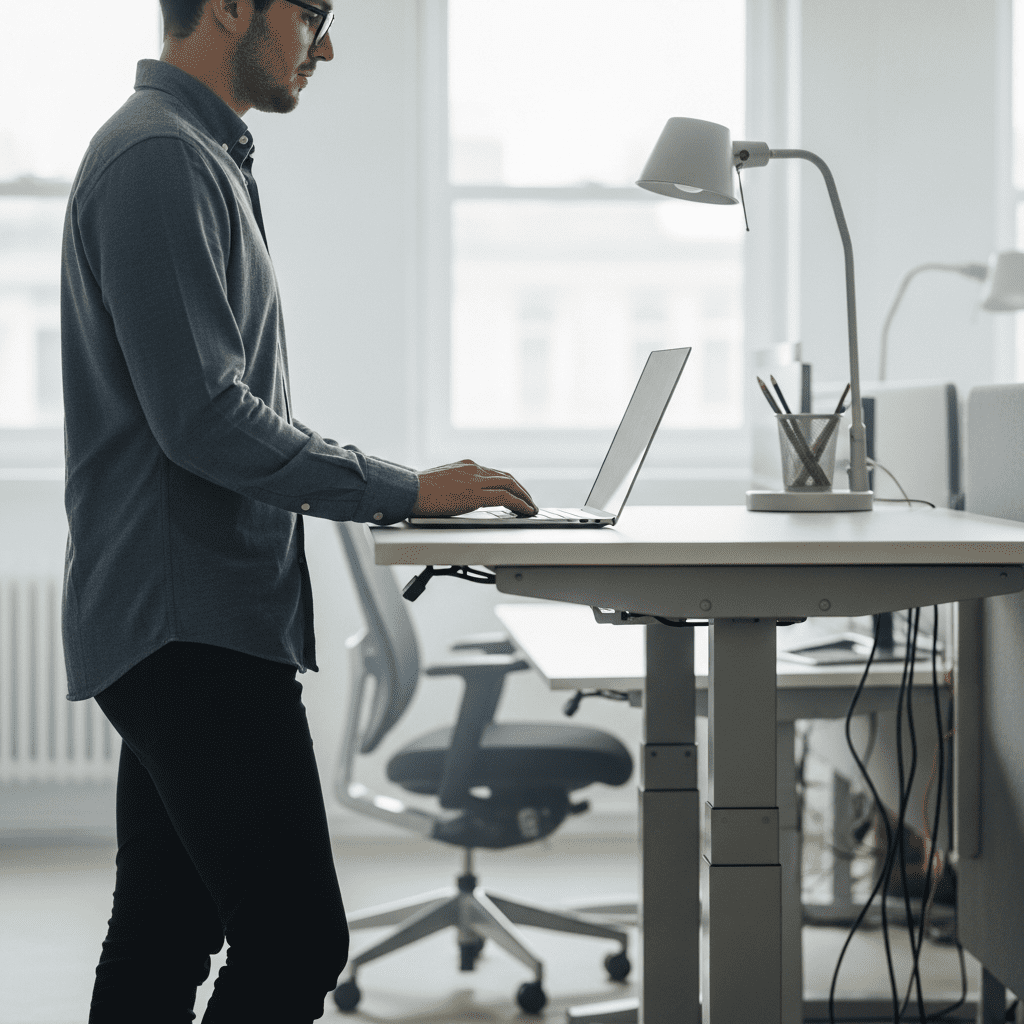
Alternating between sitting and standing improves circulation, alertness, and energy levels. Focus on one task—email, spreadsheet, or call—while standing for 5–10 minutes. Pair with deep breathing or light stretching. Lisa, an HR coordinator, implemented 10-minute stand sessions after lunch and reported a noticeable energy spike and reduced back stiffness. Alternating postures every 45–60 minutes prevents post-lunch lethargy and reduces the long-term risks of sedentary work. For more posture-focused routines, check 3-minute posture reset for desk workers.
8. Aromatherapy Tricks to Instantly Lift Afternoon Energy
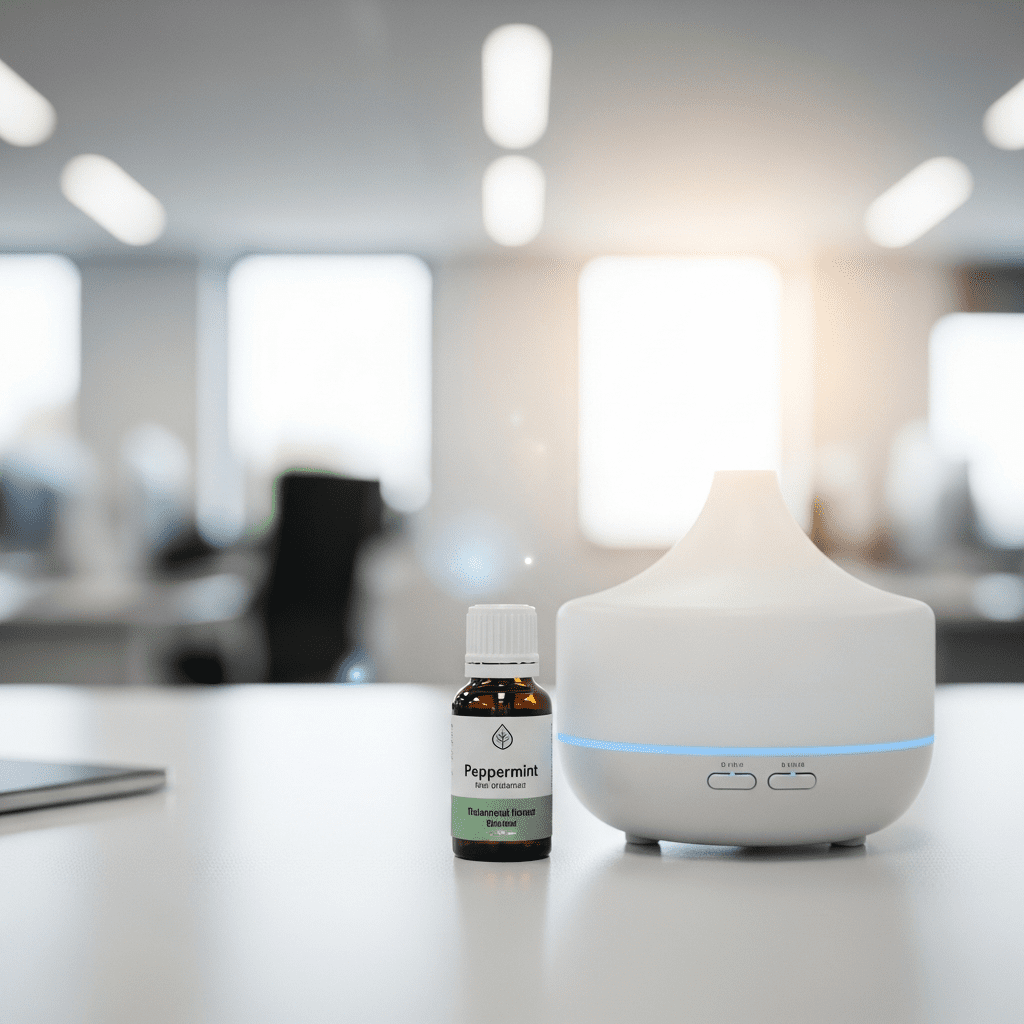
Scents like peppermint and citrus stimulate alertness. Keep a small essential oil roller or diffuser at your desk. A 2–3 second inhale of peppermint oil can improve focus. Combine with a 30-second desk stretch for compounded effect.
Common Mistakes That Worsen the Midday Slump
Relying on sugar or caffeine: Temporary energy spikes lead to bigger crashes. Skipping movement breaks: Sitting for multiple hours undoes the benefits of snacks and hydration. Neglecting hydration: Even mild dehydration impairs cognition. Ignoring timing: Implement habits before the slump hits—prevention works better than correction. Overcomplicating routines: More than 5 micro habits at once can feel overwhelming. Start small and build gradually.
Actionable Afternoon Energy Checklist for Busy Workers
- Stand up every hour and stretch
- Drink 16–32 oz of water by 3 p.m.
- Eat a protein-rich snack at 2–2:30 p.m.
- Complete a 2-minute breathing reset
- Step outside or near a window for sunlight
- Engage in a short mental challenge
- Stand while working for 5–10 minutes
- Optional: Aromatherapy mini inhalation
- Track which habits give the best personal boost
Check off at least 4 habits daily to notice tangible energy improvements without feeling overwhelmed. Afternoon slumps don’t have to control your workday. By adopting these micro habits to boost afternoon energy, you can maintain focus, elevate mood, and finish the day strong. Start small—pick 2–3 habits today, gradually add more, and watch your productivity soar. Want more quick energy hacks for busy workdays? Subscribe to our newsletter for weekly routines that keep you alert, energized, and stress-free—no extra coffee needed!
FAQ (People Also Ask)
Q1: What causes the afternoon energy slump at work?
A1: The afternoon energy slump is usually caused by a combination of post-lunch blood sugar dips, dehydration, prolonged sitting, and mental fatigue. Skipping movement breaks or relying on sugar and caffeine can worsen the slump. Simple micro habits like hydration, short walks, protein snacks, and breathing exercises help maintain steady energy and focus.
Q2: How can I boost my energy without coffee?
A2: You can boost energy naturally by staying hydrated, eating protein-rich snacks, taking short movement breaks, exposing yourself to natural light, practicing deep breathing, and engaging in mini mental challenges. Even small 2–5 minute habits repeated consistently can replace the need for extra caffeine and prevent energy crashes.
Q3: Are short office stretches effective for alertness?
A3: Yes. Micro stretches like neck rolls, shoulder shrugs, standing, or walking for 2–5 minutes improve circulation, increase oxygen flow to the brain, and reduce fatigue. Employees who incorporate hourly movement breaks report higher focus, better posture, and reduced afternoon sluggishness compared to sitting continuously.
Q4: Can hydration really affect mental performance?
A4: Absolutely. Mild dehydration can reduce concentration, memory, and alertness. Drinking 16–32 ounces of water throughout the morning and early afternoon helps maintain energy levels, supports brain function, and prevents false fatigue signals. Pair hydration with short breaks for maximum effect (CDC – About Water & Healthier Drinks).
Q5: What snacks help prevent energy crashes?
A5: Snacks high in protein and fiber, such as almonds, Greek yogurt, boiled eggs, or roasted chickpeas, stabilize blood sugar and sustain energy. Avoid sugary or high-carb snacks, which cause temporary spikes followed by crashes. Preparing snacks in advance ensures consistency and prevents unhealthy choices mid-afternoon.
Q6: How long should a mini mental challenge last to boost focus?
A6: A 2–5 minute mental challenge is enough to refresh the brain. Quick puzzles, word games, or brainstorming unrelated ideas stimulate dopamine release and prevent monotony. These short bursts improve alertness, enhance mood, and make returning to work tasks feel easier and more productive.
Q7: Can aromatherapy really improve workday energy?
A7: Yes. Scents like peppermint and citrus can stimulate alertness and cognitive performance. A brief 2–3 second inhale of essential oils, combined with a micro stretch or posture reset, can reduce perceived fatigue and provide a natural energy lift without caffeine or sugar.
✅ (TRUST DISCLAIMER)
This article is for informational purposes only. It does not provide medical advice. If you have ongoing fatigue, unusual symptoms, or health concerns, consult a qualified healthcare professional for personalized guidance.
Boost Your Energy Without Coffee — Start Today!
Ready to conquer your afternoon slump and power through your workday? Pick 2–3 of these micro habits today, track your progress, and watch your focus, mood, and productivity soar. Want weekly energy hacks delivered straight to your inbox?
Subscribe for Free Energy Hacks