
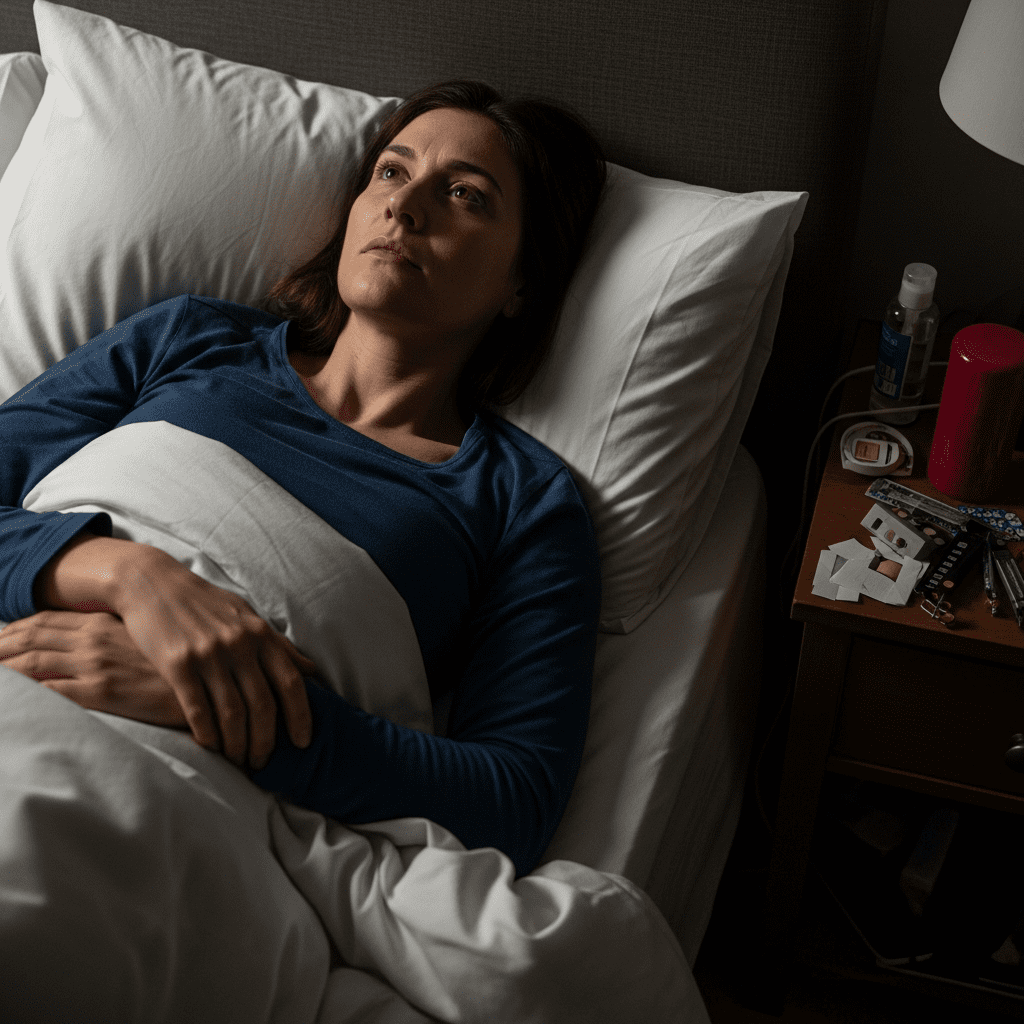
You’re staring at the ceiling again, that familiar mix of exhaustion and restlessness keeping you awake long after the house has gone quiet. You’ve had a full day—work calls, family demands, maybe a rushed dinner—but now your mind races, and sleep feels miles away, leaving you drained for tomorrow.
Why Evening Habits Transform Sleep
Small shifts in your wind-down routine can quiet a busy mind and signal your body it’s time to rest. These aren’t complicated overhauls; they’re simple swaps that fit into real evenings, whether you’re a parent juggling bedtime stories or someone unwinding solo after a late shift. The key is consistency—start with one or two, and notice how your mornings sharpen.
Evening habits work because they address the chaos of modern life head-on. Screens, stress, and scattered schedules disrupt your natural rhythm, but targeted routines rebuild it step by step. Over time, this creates a reliable path to deeper, more refreshing sleep without forcing early bedtimes.
Why Can’t I Fall Asleep Even When Tired?
Ditch the Phone an Hour Before Bed
When you scroll through social media or news feeds right before bed, your brain gets a lot of blue light and stimulation. That quick “last check” often turns into 30 minutes of tapping that never ends, which gets you excited when you need to calm down.
Instead, set your phone across the room or switch on night mode and commit to reading a physical book—something light like a novel, not work emails. If your mind wanders to tomorrow’s to-do list, jot it down on paper nearby. This break lets your eyes relax and melatonin kick in naturally.
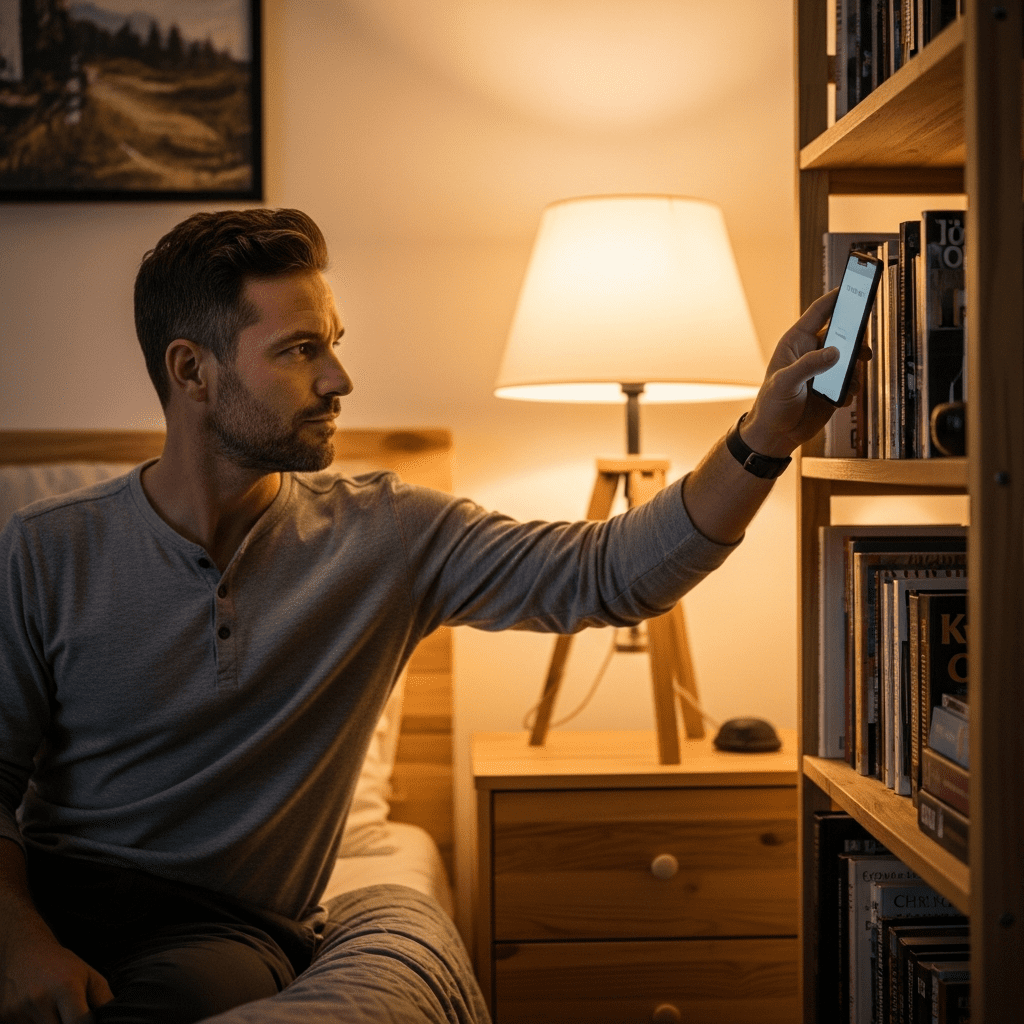
Many people find their thoughts settle faster without the glow, turning toss-and-turn nights into calm drifts toward sleep.
How Does Late-Night Eating Affect Sleep?
Sip Herbal Tea, Not Late-Night Snacks
That cookie or cup of coffee after dinner might make you feel better, but sugar and caffeine stay in your system, giving you energy when you don’t want it. Eating heavy or spicy foods close to bedtime can also wake you up by making your stomach work harder.
Around 8 PM, drink a warm, caffeine-free herbal tea like chamomile or peppermint. Don’t add milk or sweeteners that could upset your stomach. If you’re hungry, eat it with a handful of nuts. Focus on the crunch instead of the creaminess to fill you up without overdoing it.
This ritual not only curbs mindless munching but also creates a soothing pre-bed association, easing you into relaxation.

Does Room Lighting Impact Sleep Quality?
Dim the Lights Two Hours Early
Bright overhead bulbs mimic daytime, tricking your body into alertness even as the clock ticks past dinner. Kitchens and living rooms stay lit like noon, blocking the fade into evening mode.
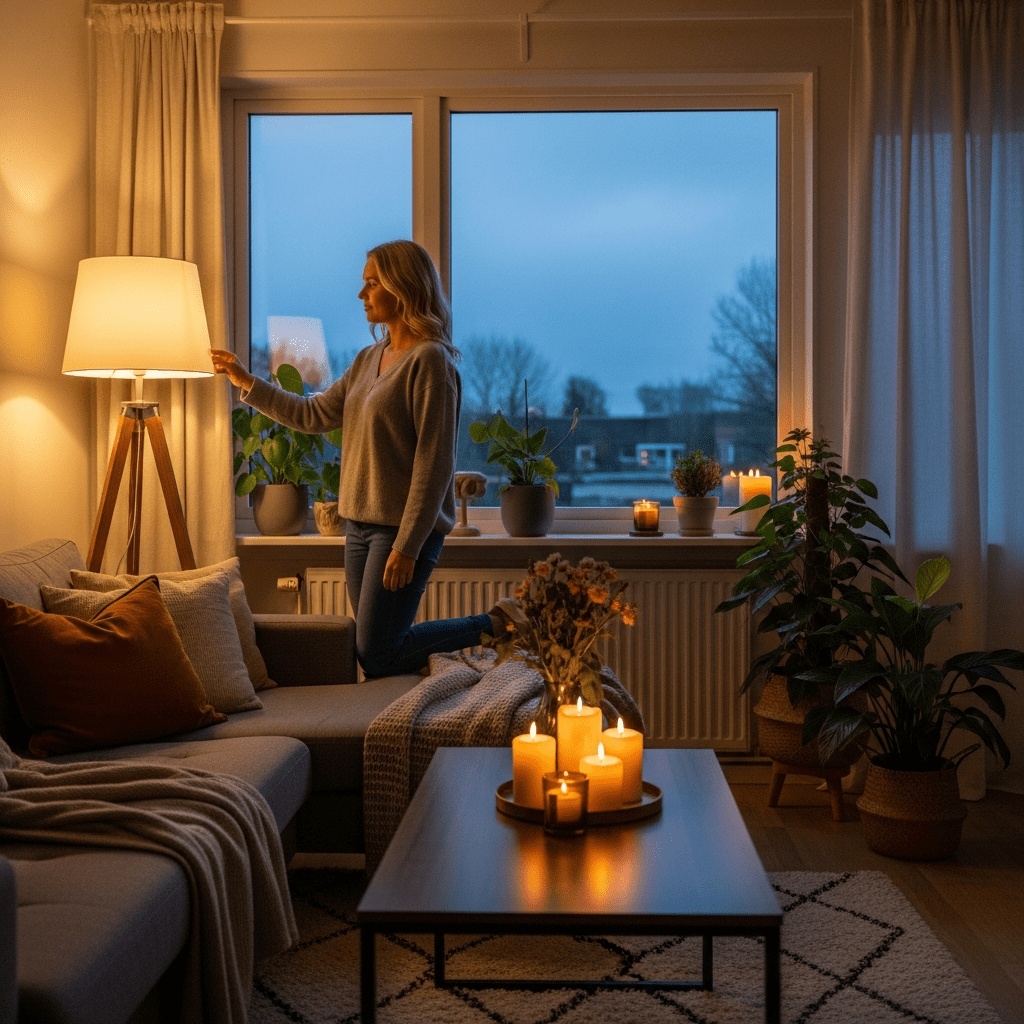
Switch to soft lamps or candles starting in the early evening—warm yellow tones under 2700K if possible. In the bathroom, use low light for your nighttime routine. This gradual dimming cues your internal clock, reducing that wired feeling.
You’ll notice your eyelids growing heavy sooner, as darkness helps release sleep hormones right on schedule.
Can Stretching Before Bed Help Me Sleep?
Stretch Gently for Five Minutes
Tension from the day builds up in your neck, shoulders, and legs, turning your bed into a battleground of aches. Sitting all day or chasing kids leaves muscles tight, making it hard to unwind fully.
Try simple stretches on the floor or bed: child’s pose, seated forward fold, or legs-up-the-wall. Breathe deeply through each for 30 seconds—no forcing, just gentle release. Focus on areas that feel knotted from your routine.
This physical reset melts away stored stress, leaving your body loose and ready for restorative rest.

What’s the Best Way to Stop Racing Thoughts at Night?
Plan Tomorrow in Three Minutes Flat
Lying awake replaying the day or fretting about meetings steals hours you can’t get back. An uncluttered mind slips into sleep faster, but racing thoughts need a container.
Right after tea, grab a notepad and list tomorrow’s top three priorities—nothing more. Include one easy win, like a walk or call. Then close the book, literally and mentally.
This brain dump offloads worries, freeing mental space so sleep comes without the mental marathon.
Why Is a Cool Bedroom Better for Sleep?
Cool Your Room to Sleep-Ready Comfort
A stuffy, warm bedroom fights sleep like nothing else—your body needs to drop its temperature by a degree or two to drift off. Summer heat or winter layers often keep things too toasty.
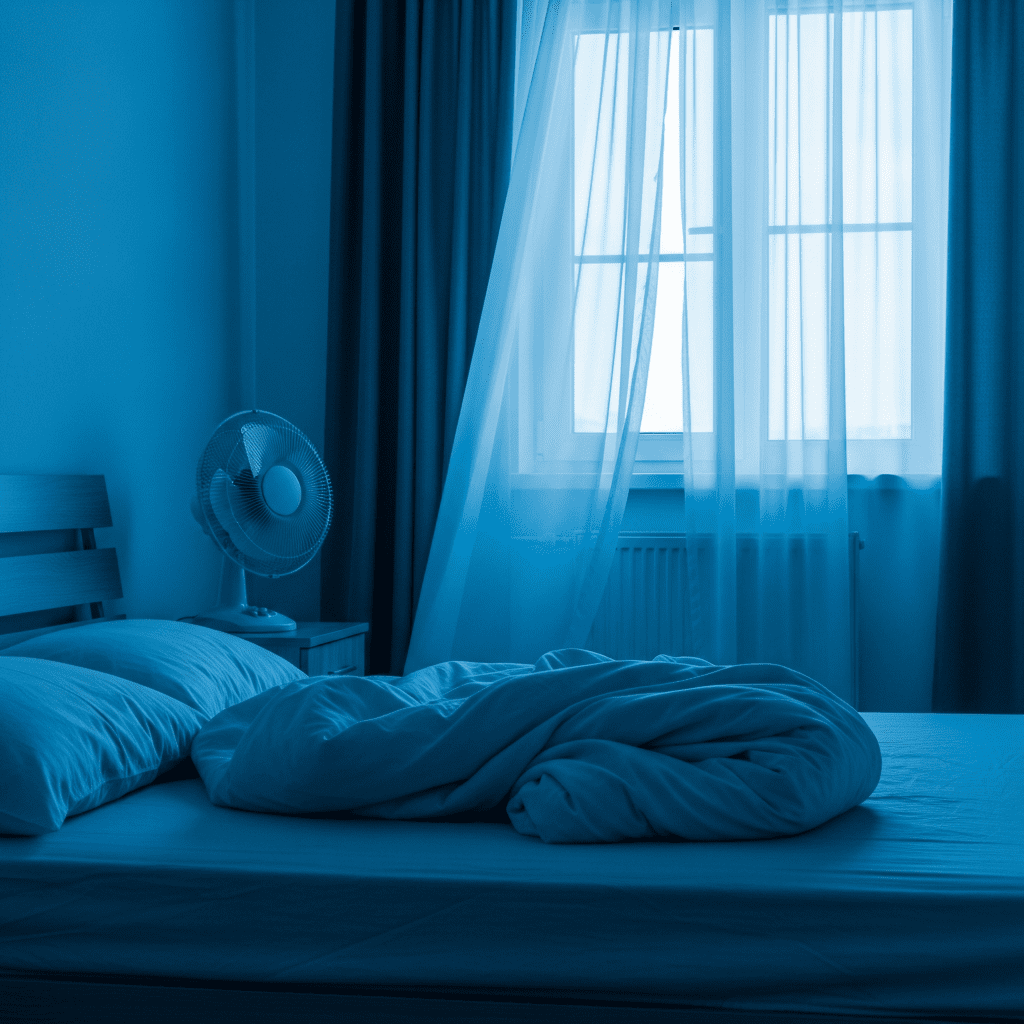
Crack a window for fresh air or use a fan to circulate. Layer blankets you can kick off easily, aiming for 60-67°F if you can measure it. Wear breathable pajamas or sleep in shorts.
That chillier air signals deep sleep stages, helping you stay asleep longer through the night.
How Can Gratitude Improve Evening Routines?
Practice Gratitude Before Brushing Teeth
Negativity from the day—frustrations, regrets—loops endlessly, blocking peace. Without a counterbalance, your brain defaults to problems over progress.
While brushing, think of three specifics you’re thankful for: a kind text, a good meal, your pet’s silly antics. Say them aloud softly or write them if it fits. Keep it genuine—no forcing big epiphanies.
Shifting to positives rewires evening thoughts, fostering calm that carries you straight to slumber.
What Makes a Wind-Down Routine Effective?
Unplug with a Consistent Wind-Down Signal
Chopping and changing routines confuses your body—no clear “off switch” means no smooth entry to rest. One night it’s TV till midnight, the next it’s dishes at 10.
Pick a non-negotiable signal, like brushing teeth then a five-minute tidy of your nightstand. Do it every evening at the same point, even on weekends. No screens or chores after.
Repetition builds a Pavlovian response—your system knows rest follows, speeding up the process.
Does White Noise Really Block Nighttime Noise?
Use White Noise to Block Distractions
Neighborhood sounds, partner’s snores, or a ticking clock pierce the quiet, jolting you awake repeatedly. Silence isn’t always golden when life’s noises intrude.
Turn on a fan, soft rain app, or white noise machine at a low hum. Position it away from your head to mask without overwhelming. Test volumes till it fades into comforting background.
This auditory blanket smooths out disruptions, letting continuous sleep take hold.
Is Light Evening Movement Good Before Bed?
Walk Barefoot or Do Light Movement
Post-dinner sluggishness or pent-up energy keeps you restless—too wired to settle, too tired to exercise properly. Evening stagnation builds without release.
Take a 10-minute barefoot walk around your home or yard, feeling the floor’s texture. Or do arm circles and gentle twists while watching the sunset if outside. Keep it slow, mindful.
Grounding movement disperses leftover buzz, transitioning you smoothly from day to night.
How Do Positive Reflections Aid Sleep?
Reflect Briefly on One Win
Beating yourself up over slip-ups amplifies stress hormones right when they need to dip. Even tough days have bright spots you overlook.
As you slip under covers, recall one thing that went right—a task nailed, laugh shared, or quiet moment savored. Linger there for 20 seconds.
This positive anchor stops you from criticizing yourself, which lets you sleep peacefully.
These 10 habits work together to make a strong evening routine that helps you recover reliably instead of having restless nights. Choose three that work for you and start small. Then add more as you go. You’ll be glad you did it tomorrow. If you’re tired of dragging through your days, try stacking a couple of these tonight.
Ready to build lasting energy? Check out our 7-Day Energy Reset Plan for simple daily steps that pair perfectly with better sleep.
Frequently Asked Questions
How long does it take for evening habits to improve sleep quality?
Most people notice changes within 3-7 days of consistency, as your body adapts to the new signals. Start with 2-3 habits to avoid overwhelm, and track your mornings for sharper focus and less grogginess.
Can I do these habits if I have a busy evening schedule?
Yes, each takes under 10 minutes and fits around kids, chores, or late work. Swap phone time for tea or stretch while waiting for dinner—these flex into real life without extra time.
What if herbal tea upsets my stomach?
Skip additives and try peppermint for digestion. Plain warm water works too. The goal is hydration and ritual, not perfection—adjust to what feels soothing for you.
Is dimming lights safe in homes with kids or pets?
Use battery lamps or clip-ons in shared spaces. Pets adjust quickly, and kids benefit from the calmer vibe. Start gradual to ease everyone into the shift.
Does white noise disturb light sleepers?
Low-volume fans or rain sounds blend in without jolts. Test during the day first, and place speakers across the room. It often helps deeper sleep by masking bigger noises.
Why focus on gratitude over meditation?
Quick thanks fits rushed evenings better than full sessions. It shifts mindset fast without needing quiet or practice, making it practical for beginners.
Can these habits replace a strict bedtime?
They build flexibility—your body learns rest cues without clock-watching. Combine with a loose window, like post-9 PM wind-down, for best flow.
What room temperature is ideal for sleep?
Aim for 60-67°F; cooler air mimics natural drops. Fans help in warm climates. Dress in layers you can adjust mid-night.
How do I stick to these when traveling?
Pack earplugs, use hotel fans for white noise, and dim phone screens. Core ideas like brain dumps travel anywhere—focus on portability.
Will light stretching energize me too much?
Gentle moves release tension, not rev you up. Do them early evening; avoid vigorous yoga. Breath focus keeps it calming.
