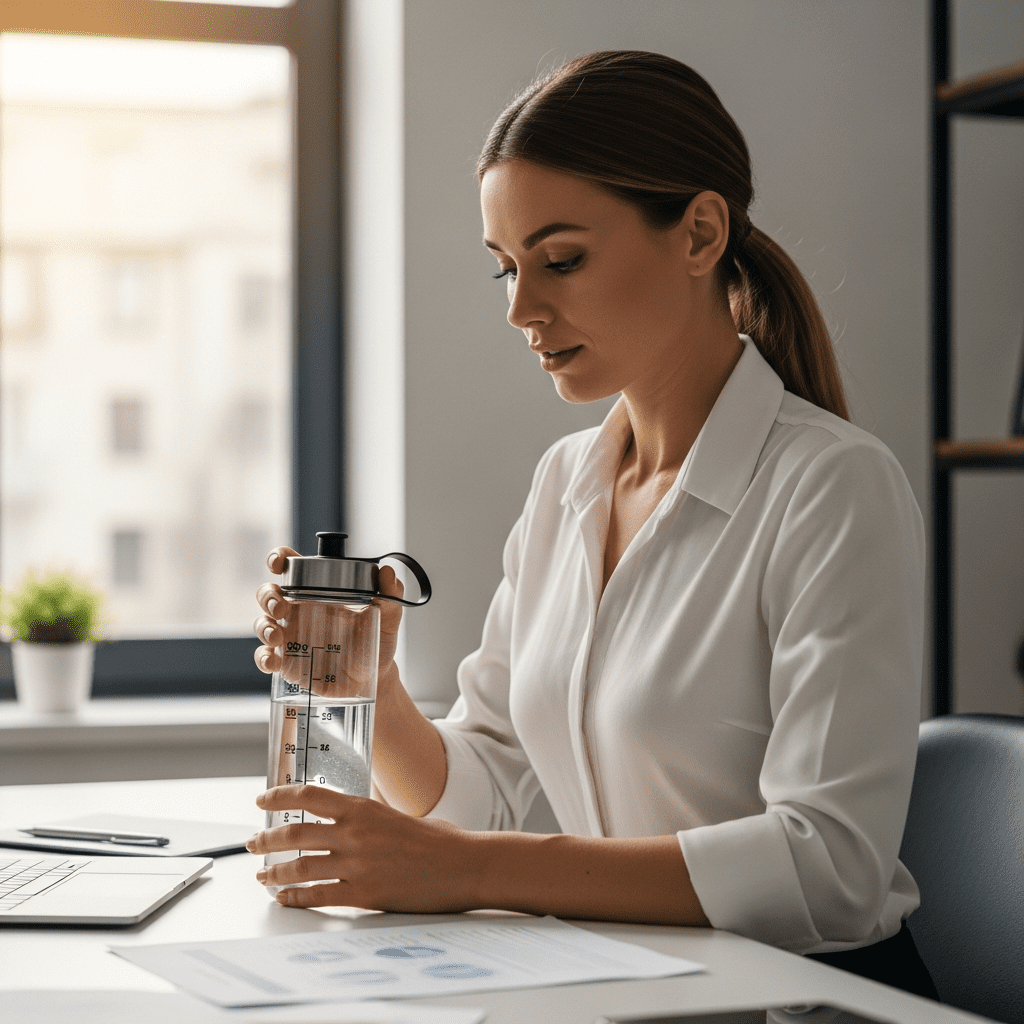
Sarah slumped into her office chair that Monday morning, feeling like she’d run a marathon before 9 AM. Her head throbbed faintly, her focus scattered as she stared at her inbox, that all-too-familiar drag weighing her down despite a full night’s sleep.
Why Do I Always Feel Tired in the Morning?
You know the slump. Mornings start foggy, afternoons crawl by in a haze, and even small tasks feel monumental. Often, it’s not lack of sleep or bad coffee—it’s dehydration creeping in silently. Your body loses water constantly through breath, sweat, and basic functions, and without steady replacement, energy dips, moods sour, and productivity tanks.
Most people wait until thirst hits, but by then, mild dehydration has already set in. This leads to that mid-day crash where everything slows. Simple daily hydration habits can shift this, turning sluggish days into steady ones without drastic changes.
If you’re wondering how to feel more energized throughout the day, starting with water intake makes a real difference for busy schedules.
What Does Dehydration Do to Your Body?
Think of your body as a finely tuned engine. Water makes up over 60% of it, fueling every cell from brain to muscles. Skimp on it, and you get fatigue, foggy thinking, and even minor headaches—common complaints for busy folks glued to desks or chasing kids.
Steady hydration keeps blood volume optimal, helping oxygen and nutrients reach where needed. It supports natural detox processes too, easing the load on your kidneys and liver. People who build these habits report clearer focus and fewer energy dips by day’s end.
The beauty? No need for gallons or fancy gadgets. Small, consistent sips add up, fitting seamlessly into real life.
How Can I Tell If I’m Dehydrated?
Not everyone feels thirst the same way. Older adults or those in air-conditioned offices might miss early cues. Watch for dry lips, dark urine, or that subtle tiredness unrelated to workload.
Test yourself: After a busy morning, pause and check. If your mouth feels sticky or concentration wanes, hydration likely plays a role. Urine color is a quick gauge—pale yellow means good; darker signals catch-up time.
These signs vary by climate, activity, and diet. Hot days or salty meals increase needs, so awareness beats guesswork.
What Is the Best Morning Hydration Habit?
Start before coffee. Right after brushing teeth, drink 16 ounces of room-temperature water. It jumpstarts metabolism after overnight fluid loss and sets a proactive tone.
Keep a bottle by your bed or sink as a cue. Add a slice of lemon if plain water bores you—it perks up taste without calories. Within a week, this becomes automatic, banishing that groggy start.
Busy parents or commuters? Fill a thermos night before. Sip en route, arriving alert. Check out our Daily Healthy Habits That Improve Your Health Without Overwhelm for more routine tips.
How Do I Stay Hydrated at My Desk All Day?
Office workers, this one’s for you. Place a 32-ounce bottle at your workstation, visible always. Aim to empty it by lunch. The sheer presence prompts sips during calls or emails.
Refill mid-day with the same routine. Track with markings or an app if motivated, but visual progress on the bottle suffices for most. It turns passive time into hydration wins.
Remote setup? Same rule—kitchen counter or desk corner. No excuses.
Should I Drink Water with Every Meal?
Link water to eating. With every meal or snack, chug 8-12 ounces. It aids digestion, curbs overeating by signaling fullness, and builds consistency since meals are non-negotiable.
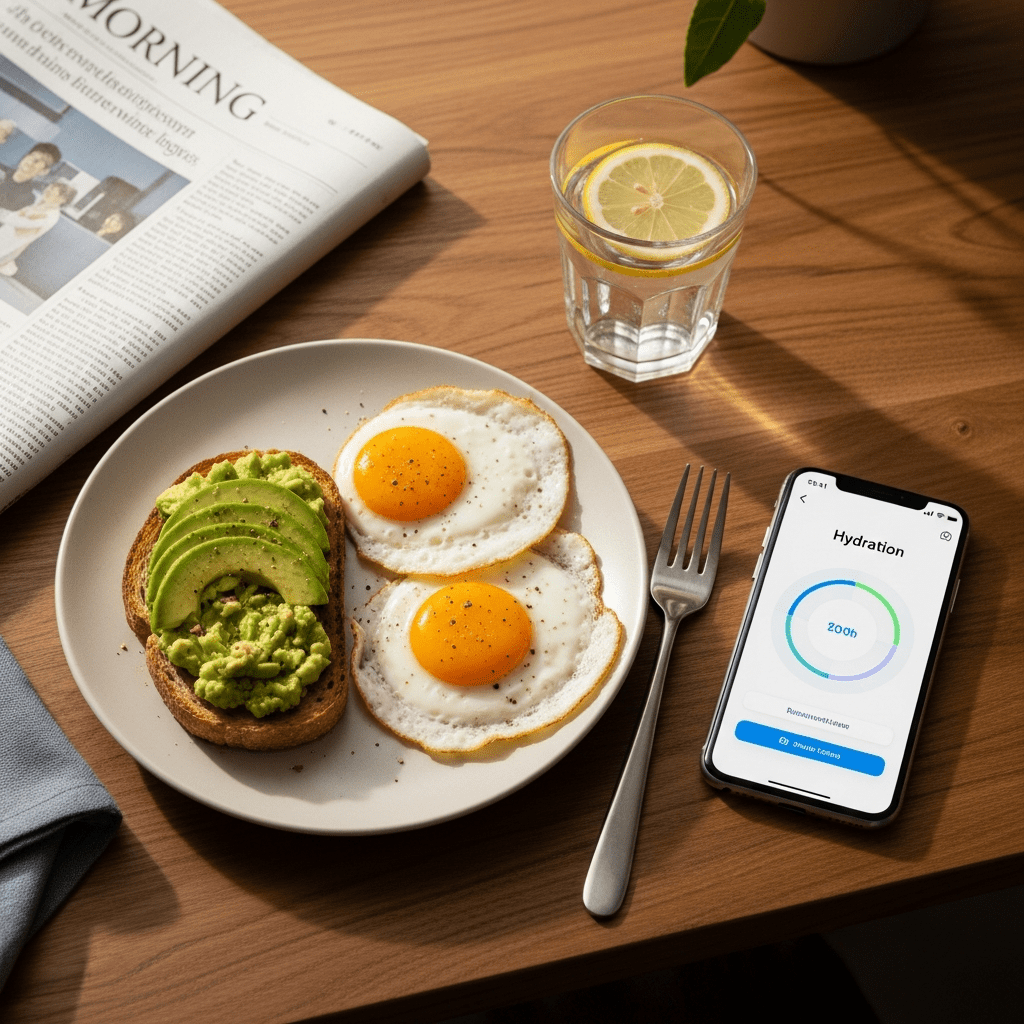
Lunch at your desk? Glass beside plate. Family dinner? Everyone hydrates together, making it social. This habit alone covers half your daily needs effortlessly.
Snackers take note: Pair that afternoon apple or nuts with water, enhancing satisfaction. Pair it with ideas from Healthy Snacks for Weight Loss (40+ Easy Ideas).
Ready to build better energy? Try stacking one of these simple daily hydration habits onto your current routine today.
Why Pair Movement with Drinking Water?

Every hour, stand for a 1-minute walk—then sip. Tie motion to hydration for double benefits. It combats sitting stiffness while delivering water hits.
Phone alarms or computer reminders work. Use the restroom trip as your cue: Hydrate post-flush. In meetings, keep a discreet bottle handy for subtle gulps.
Gym-goers or walkers? Pre- and mid-activity sips prevent performance drops.
How Much Water Before Bed Is Too Much?
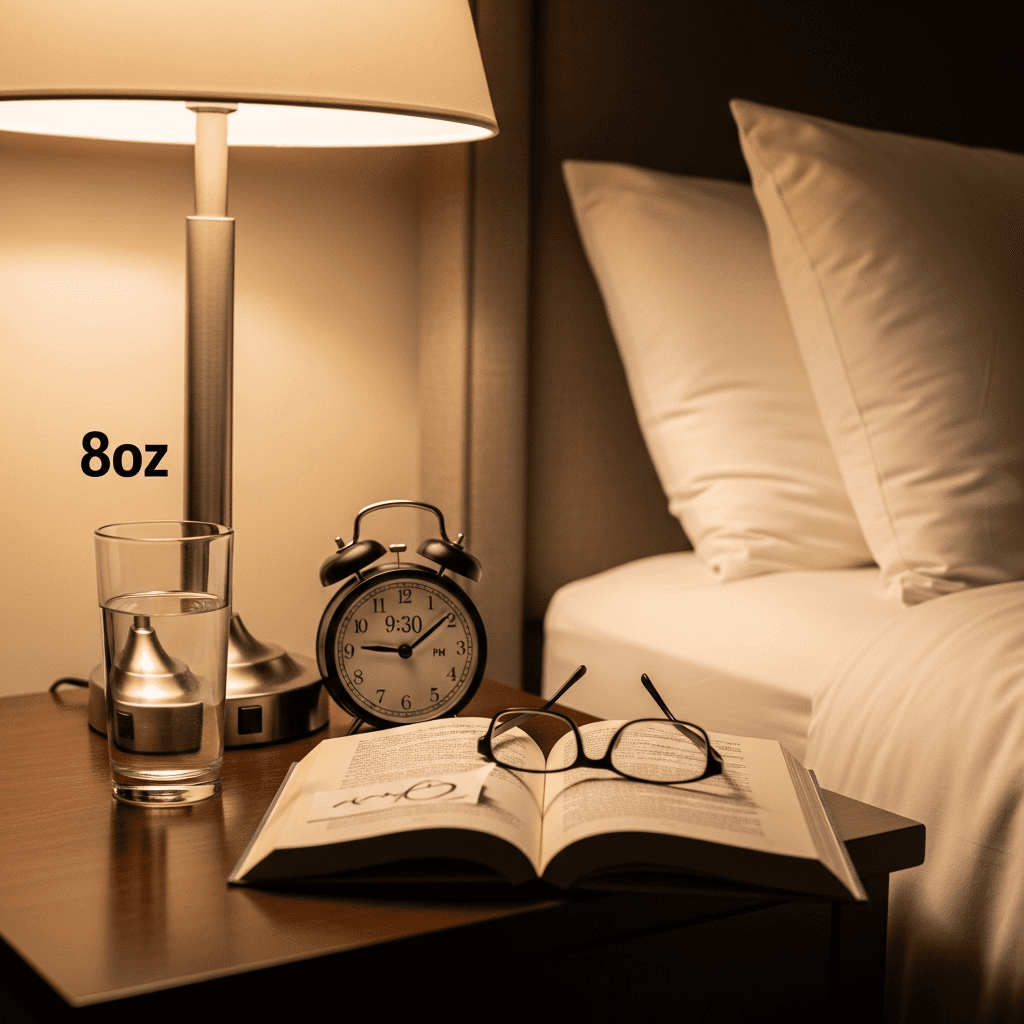
Before bed, have 8 ounces to preload overnight hydration. It reduces morning thirst and supports restorative sleep processes.
Avoid excess to prevent wake-ups—small glass suffices. Herbal tea counts if caffeine-free, adding variety. This closes the daily loop smoothly.
Shift workers? Adapt to your “morning” equivalent.
What Are Easy Ways to Make Water Taste Better?
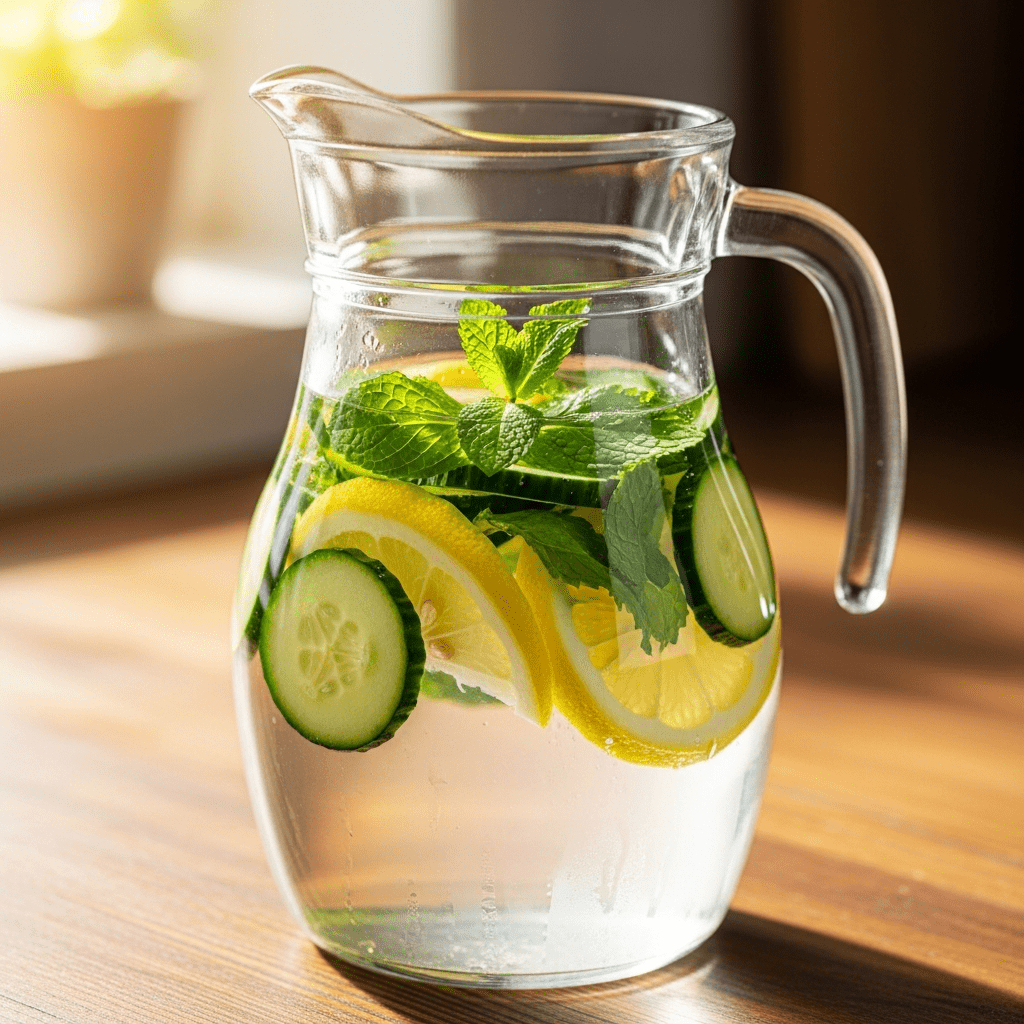
Plain water drags? Infuse naturally. Cucumber-mint for refresh, berries for subtle sweet, or ginger for zing. Rotate weekly to stay excited.
Reusable infuser bottles make it portable. No sugar, no cost—just fresh taste boosting compliance. Kids or picky partners love this too.
What Stops People from Staying Hydrated?
“Forgetful” fix: Phone wallpaper reminder or sticky note cascade (one per room). “No time” fix: Bigger bottle, fewer refills. “Taste issue” fix: Infusions or sparkling water.
Travel? Airport sizes or reusable with filter. Pregnancy or nursing? Slightly up intake, consult pros for personalization—but basics hold.
How Do I Track My Water Intake Simply?
Use a simple journal: Note intake loosely, focus on habits. Apps like WaterMinder gamify if tech appeals, but paper works fine.
Weekly weigh-ins of tongue dryness or energy logs show progress. Aim half your body weight in ounces daily as a starting guide (e.g., 150 lbs = 75 oz).
Consistency trumps perfection—80% adherence yields results.

Do Real People See Results from Hydration Habits?
Mark, 42, IT manager: “Bottle by desk changed my afternoons—no more 3 PM crash.” Lisa, teacher: “Meal pairing got me to 80 oz daily; kids joined in.”
These aren’t influencers; they’re desk-bound pros like you. Small shifts, big ripples.
How Does Habit Stacking Help with Hydration?
Pair new habits with existing ones. Brush teeth → water. Email check → sip. Drive home → refill. This “habit stacking” cements them.
Review monthly: What’s sticking? Tweak gently. Community accountability via family challenges amps motivation.
Simple Daily Hydration Habits: Your Next Step
Sarah’s slump? Gone after two weeks of these habits. She powers through days, sharper and steadier. Yours can too—no extremes, just smart consistency.
These simple daily hydration habits fit any schedule, demanding little yet delivering steady energy, better mood, and that underlying vitality.
Ready to Feel the Difference?
Pick one habit from this guide and try it for the next 7 days. Share your progress in the comments below—we’d love to hear how simple daily hydration habits change your energy!
FAQ
What are simple daily hydration habits?
Simple daily hydration habits include starting your morning with 16 ounces of water, keeping a bottle at your desk, and pairing sips with meals or hourly breaks. These easy steps fit busy lives, boost energy, and prevent mild dehydration without tracking every ounce.
How much water should I drink every day?
Aim for half your body weight in ounces as a starting guide, like 75 ounces for 150 pounds, spread throughout the day. Adjust for activity, climate, or diet, focusing on pale yellow urine and steady energy as key signs you’re on track.
Why do I feel tired even after sleeping well?
Mild dehydration often causes that fatigue, with symptoms like foggy thinking or headaches mimicking tiredness. Simple daily hydration habits restore focus and mood by maintaining blood volume and cell function, especially if mornings feel sluggish despite rest.
What is the best way to stay hydrated at work?
Use a desk anchor: Place a 32-ounce bottle in sight and aim to finish by lunch, sipping during emails or calls. Refill mid-day; this visual cue turns passive time into consistent hydration wins for office or remote setups.
Can infused water help me drink more?
Yes, natural infusions like cucumber-mint or berries add flavor without sugar, making plain water exciting. Rotate options weekly in a reusable bottle to boost compliance, especially for those who find water boring.
How does drinking water before bed affect sleep?
A small 8-ounce glass preloads hydration for overnight needs, reducing morning thirst without disrupting sleep if kept moderate. Opt for room-temperature or herbal tea to close your daily loop smoothly.
What are quick fixes for forgetting to drink water?
Set phone reminders, use habit stacking like post-meal sips, or place notes in key spots. Bigger bottles mean fewer refills, turning forgetfulness into automatic hydration through simple environmental cues.
💧 Ready to Boost Your Daily Energy?
Pick ONE hydration habit today: Morning water kickoff OR desk bottle system.
Try it for 7 days and track your energy. Then check our Daily Healthy Habits Guide for your next step!
Share your Week 1 results in the comments – let’s build better energy together! 👇
