
Imagine it’s 7 PM. You’ve powered through a full day—meetings, errands, maybe chasing after kids or squeezing in a quick workout. Now you’re slumped on the couch, scrolling endlessly, feeling that familiar drag already creeping in about tomorrow. What if a handful of tiny tweaks before bed could leave you waking up sharp, energized, and ready to tackle whatever comes next?

These 10 evening habits target practical ways busy adults can improve sleep quality and morning vitality through easy routines.
Why Do Evening Habits Improve Next-Day Energy?
How do evening habits affect sleep quality?
Your evenings set the stage for the next day. While morning routines get all the hype, it’s the wind-down hours that recharge your body and mind for real. Busy adults often skip this, crashing with screens or stress, only to wake up groggy.
What makes evening habits effective for energy?
These habits work because they align with your natural rhythms—cooling your core temperature, quieting your brain, and signaling rest. No fancy gear or hours required. Just consistent, bite-sized shifts that stack up. Pick a few to start. Over time, they’ll become automatic, turning bleary mornings into something you actually look forward to.
Ready to build better energy? Check out our HIIT Workouts for Busy Schedules for daytime power.
How Can Dimming Lights Boost Melatonin?
Why do bright lights suppress melatonin production?
Bright lights trick your brain into thinking it’s daytime. They suppress melatonin, the hormone that eases you into sleep.
When is the best time to dim lights before bed?
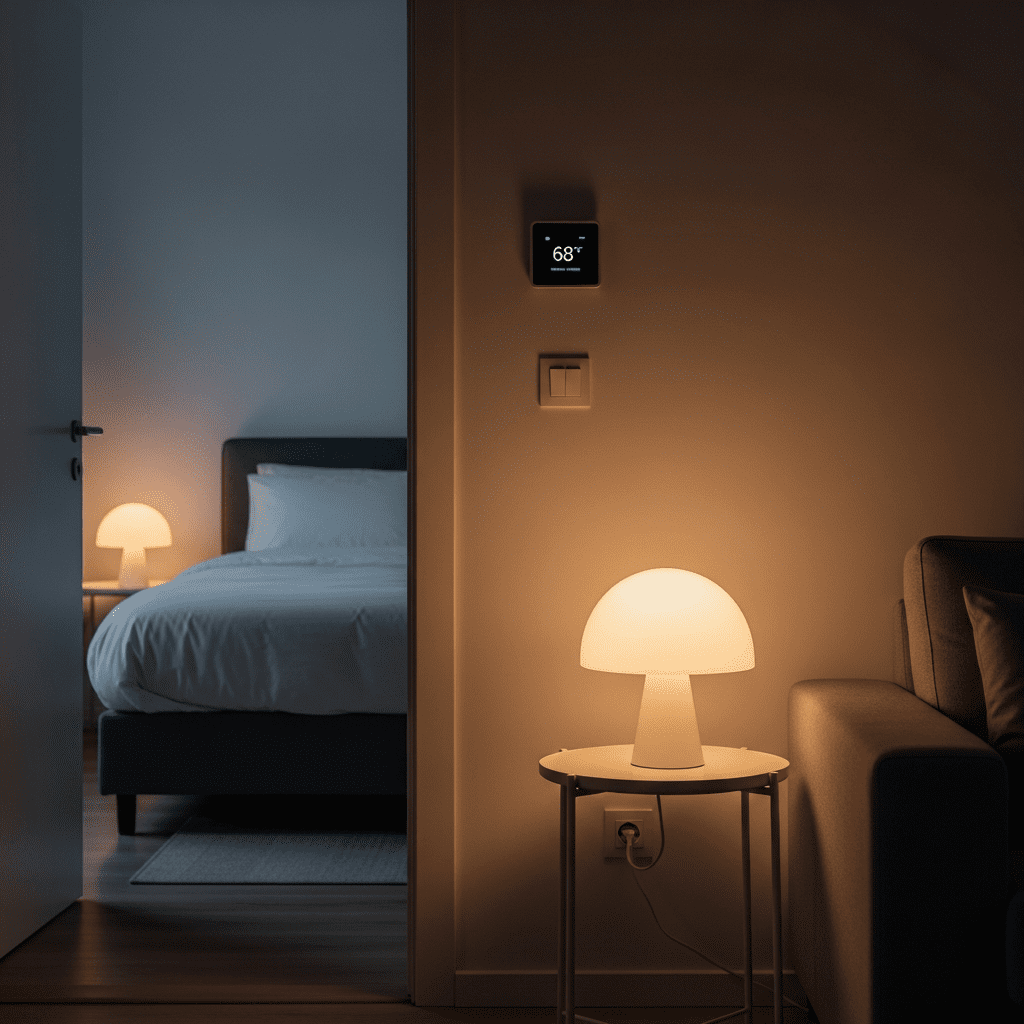
Habit 1: Dim the Lights 90 Minutes Before Bed
Start by swapping overhead bulbs for warm, low-wattage ones around 8 PM. Use lamps or smart bulbs if you have them. This simple drop in blue light helps your body clock reset naturally.
Real life: Sarah, a 38-year-old teacher, noticed her evenings felt restless. After dimming lights, she fell asleep 20 minutes faster and woke without the usual fog.
Does Screen Time Ruin Evening Relaxation?
How does blue light from screens affect sleep?
Habit 2: Swap Screen Time for a “No-Tech Zone”
Phones and TVs blast blue light and mental noise right when you need calm. That last-minute email check? It revs your stress response.
What activities replace screens before bed?
Set a hard stop—no screens one hour before bed. Read a physical book, journal, or chat with your partner instead. Keep devices in another room.
Picture this: Mark, juggling a corporate job and weekend coaching, used to doomscroll until 11 PM. Ditching it for a puzzle book gave him deeper sleep and sharper focus by 7 AM.
Which Warm Drinks Promote Evening Calm?
Can evening caffeine cause next-day fatigue?
Habit 3: Sip a Warm, Non-Caffeinated Drink
Caffeine lingers for hours, even if your coffee was at lunch. Evening hydration matters too, but smartly.
What herbal teas relax the body before sleep?
Brew herbal tea like chamomile or peppermint—warm, soothing, zero buzz. Sip slowly over 10-15 minutes. It signals relaxation to your gut and nerves.
Busy mom Lisa tried this after dinner. No more tossing from dehydration; she now starts her day with steady energy instead of chugging coffee.
Why Does Tidying Up Clear Mental Clutter?
How does clutter disrupt nighttime rest?
Habit 4: Do a 5-Minute Tidy-Up
Clutter in your space creates mental clutter. A messy kitchen or desk lingers in your subconscious, disrupting rest.
What quick tasks create a calm space?
Spend five minutes resetting: Wipe counters, put away laundry, align tomorrow’s work bag. Think of it as closing today’s chapter.
Office worker Tom made this non-negotiable. His apartment felt lighter, and he slept better knowing “tomorrow’s set.” Mornings? Less frantic rushing.
How Does Stretching Release Evening Tension?
Where does daily tension accumulate most?
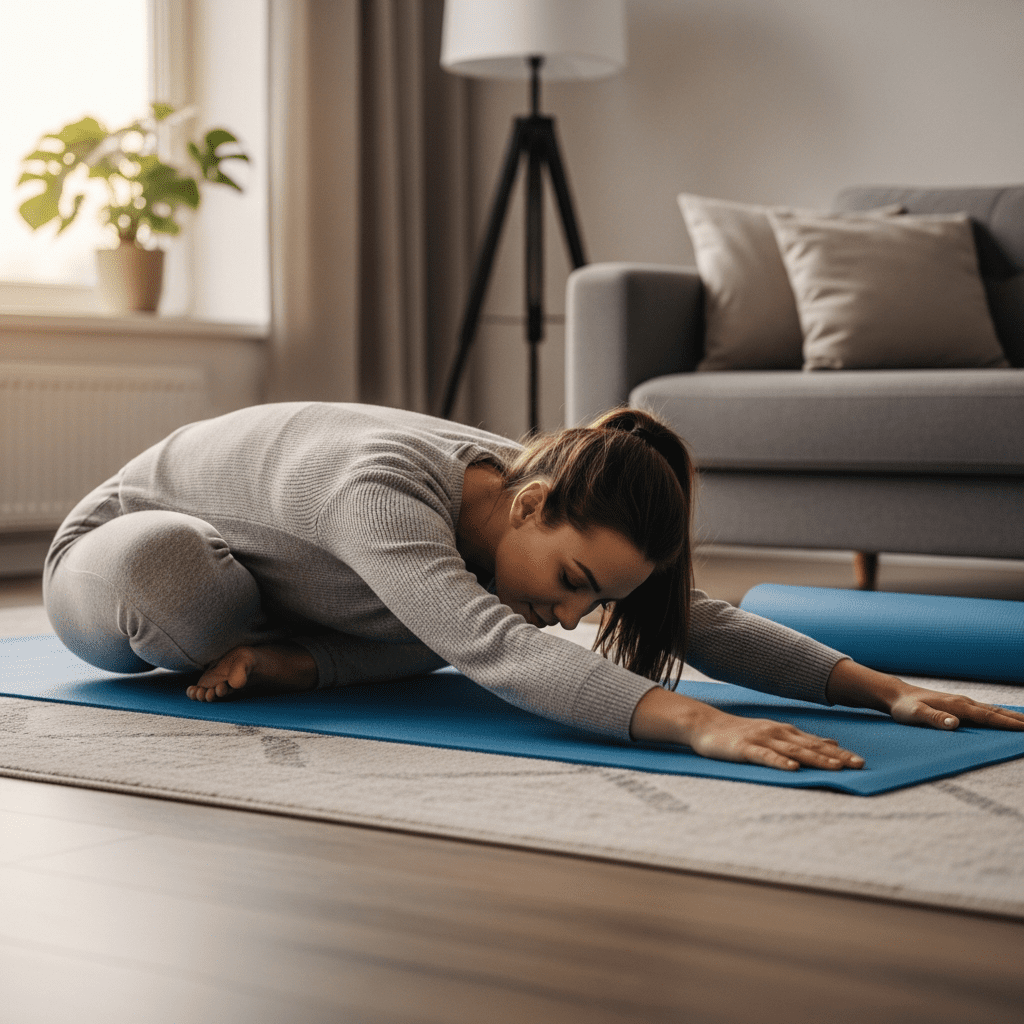
Habit 5: Gentle Stretching or Body Scan
Tension from the day builds up in your shoulders, neck, and legs. Skipping it means carrying it to bed.
Which stretches unwind in 5-10 minutes?
Try child’s pose, forward folds, or a quick body scan: Lie down, breathe deeply, tense and release each muscle group. Just 5-10 minutes.
After long shifts, nurse Emily swears by neck rolls. Her body unwinds faster, leading to mornings where she feels loose and alive, not stiff.
Pair this with our Beginner Flexibility Routine for even better results.
Can 3-Minute Planning Stop Nighttime Worry?
Why do unfinished tasks cause racing thoughts?
Habit 6: Plan Tomorrow in 3 Minutes
Open loops—like “What to wear?” or “Grocery list?”—keep your mind racing at night.
What priorities should you note before bed?
Jot three priorities on a notepad: One work task, one personal, one self-care. Keep it high-level, no details.
Dad of two, Alex, used to wake up anxious. This brain dump cleared his head; now he hits the pillow calm and rises purposeful.
Are Evening Snacks Good for Blood Sugar?
What happens if you sleep hungry?
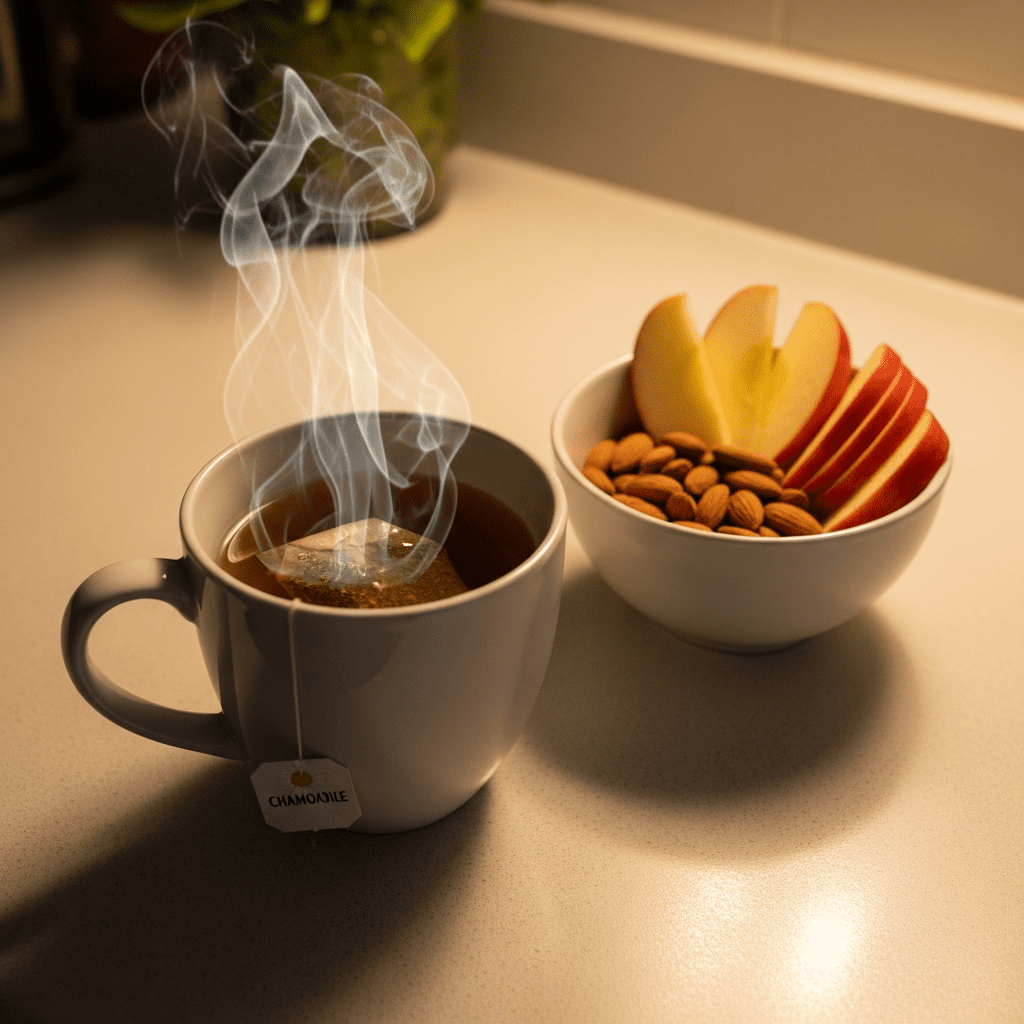
Habit 7: Eat a Small, Savory Snack if Hungry
Going to bed starving spikes cortisol; overeating weighs you down. Balance is key.
Which snacks prevent overnight crashes?
Opt for a handful of nuts, cheese, or banana with nut butter—protein and fat to stabilize blood sugar overnight.
Runner-up parent Jen avoids late carbs now. Steady energy through the next morning, no 3 AM crashes.
What Bedroom Temperature Improves Sleep?
Why does heat prevent deep sleep?
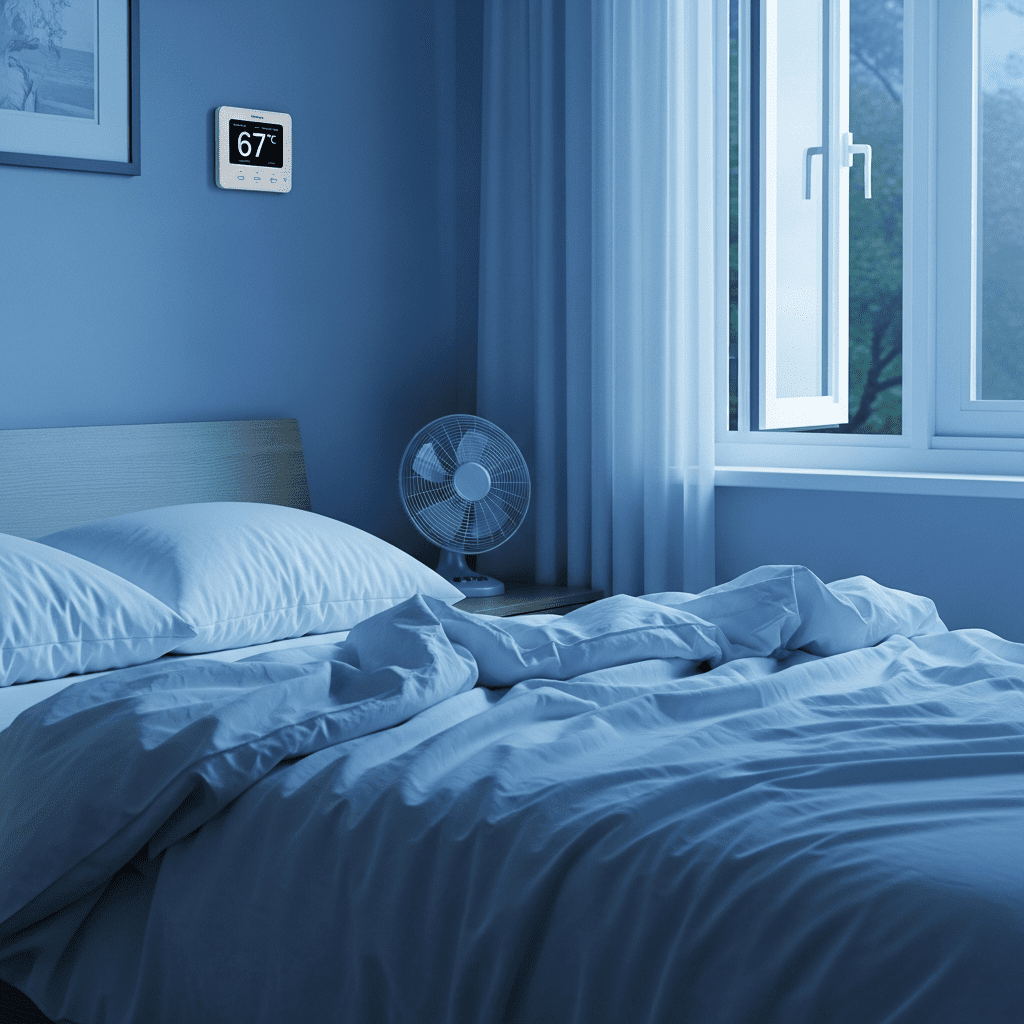
Habit 8: Cool Your Bedroom to Sleep-Ready Temps
Your body drops temperature to sleep. Hot rooms fight that.
What is the ideal temp for better rest?
Set your thermostat to 65-68°F (18-20°C). Use breathable sheets, a fan, or crack a window.
Tech guy Raj battled night sweats. Cooling his space meant uninterrupted rest and vibrant mornings.
How Does Gratitude Enhance Sleep Quality?
Can one positive note reduce rumination?
Habit 9: Reflect with One Gratitude Note
Negative rumination steals sleep quality. A quick positivity shift rewires your brain.
What counts as a simple gratitude practice?
Write or say one thing you’re grateful for from the day—simple as a good laugh or warm meal.
Teacher Carla started this during tough weeks. It softened her evenings, boosting next-day mood and drive.
Why Stick to a Fixed Bedtime Routine?
How does irregular sleep timing drain energy?
Habit 10: Consistent Bedtime Anchor
Varying bedtimes confuses your internal clock. Pick one and stick.
Does consistency matter on weekends too?
Aim for the same wind-down start, even on weekends. Your body thrives on rhythm.
Single pro Mike shifted from 11 PM to 10 PM routine. Energy soared—no more weekend recovery slumps.
How to Combine Habits for Busy Evenings?
Which 2-3 habits stack for quick wins?
Don’t overhaul everything. Start with 2-3 that fit your life. Evening walks for some, tea rituals for others. Track in a simple app or journal for a week. Notice patterns: Which leave you buzzing tomorrow?
How to adapt habits for real life?
Combine for power: Dim lights + no-tech + stretch. Busy schedules allow flexibility—adapt to your reality.
What Fixes Common Evening Habit Barriers?
How to overcome fatigue when starting?
Too tired to start? Begin with one habit tonight. Momentum builds.
How to manage family or travel challenges?
Kids or partner disrupt? Create a shared routine—family tidy-up turns chore into bonding. Traveling? Packable: Earplugs, journal, herbal packets.
What Results Do People See from These Habits?

Who benefits most from evening routines?
These aren’t theory. Take 42-year-old accountant Nina: Added dimming, planning, and cooling. “I used to drag until noon. Now I crush my 6 AM jog.” Or 35-year-old sales rep Carlos: Screens off + gratitude. “Consistent energy means better closes and less burnout.”
Try stacking two habits this week and notice the difference in your mornings.
Ready to Wake Up Energized?
Pick 2-3 habits tonight and track your energy for a week. Share your wins in the comments below!
FAQ
How long does it take to see results from evening habits?
You can notice better morning energy within 3-5 days of consistency, as your body adapts to the rhythms. Full benefits like deeper sleep emerge in 1-2 weeks. Busy adults see the biggest shifts by stacking 2-3 habits first.
Can these habits help if you have an irregular work schedule?
Yes, focus on relative timing—like dimming lights 90 minutes before your personal bedtime. Shift workers can adapt with portable options such as body scans or gratitude notes. Consistency in your window matters more than clock time.
Are these evening habits safe for everyone?
These are general lifestyle tweaks suitable for most healthy adults over 30. They’re low-impact and don’t involve intense activity. If you have specific health concerns, consult a professional before major changes.
What if I forget to do these habits some nights?
Missing a night won’t derail progress—aim for 80% consistency. Use phone reminders or pair with dinner as cues. Over time, they become automatic, especially when you feel the next-day energy payoff.
Do evening habits replace a morning routine?
No, they complement mornings by improving sleep quality first. Pair with simple starters like hydration for compounded effects. Many readers combine them with our beginner workout plans for all-day vitality.
Which habit should busy parents start with first?
The 5-minute tidy-up or 3-minute planning works best, as they involve family or prep kids’ needs. They’re quick and reduce morning chaos, freeing mental space for other habits.
🚀 Start Your Energy Transformation Tonight!
Pick your first 2 habits right now and wake up tomorrow feeling sharper than ever.
Share Your Habit Plan Below 👇Join thousands waking up energized!
