

around 2 PM even after sleeping 7–8 hours? You’re not alone—up to 70% of Americans report experiencing the dreaded afternoon energy slump daily. Feeling low energy during the day isn’t just frustrating—it can impact focus, productivity, and mood for the rest of the afternoon.
In this comprehensive guide, we’ll break down the biological, nutritional, and environmental reasons behind these energy crashes, explain the counterintuitive practices that actually work, and give you practical, science-backed strategies to restore your alertness and sustain energy all day. Start reclaiming your focus now and say goodbye to that mid-day slump.
For more insights on why your energy dips, see Why Am I So Tired in the Afternoon?
The Hidden Reason Doing Nothing Can Make You Feel More Tired Than You Expect
At first glance, it seems logical: doing less should make you less tired. But inactivity can paradoxically increase fatigue. Here’s why:
- Circulatory Stagnation: Sitting or lying down for long periods slows blood flow, reducing oxygen and nutrient delivery to muscles and the brain. Short bursts of movement improve circulation and alertness.
- Neurotransmitter Dip: Dopamine decreases when your brain lacks stimulation, causing mental fatigue even without physical activity.
- Insulin Fluctuations: Light snacks during inactivity can spike blood sugar. Without movement, energy isn’t efficiently used, producing a slump.
- Cortisol Patterns: Cortisol naturally peaks in the morning and dips in the afternoon. Inactivity accelerates this dip, making you feel lethargic.
Daytime fatigue is the state of feeling tired, low in energy, or mentally drained during typical waking hours. It is caused by a mix of biological factors, lifestyle habits, and environmental conditions. Key triggers include circadian dips, inactivity, poor sleep, dehydration, and nutrient deficiencies.
What Most People Miss: Inactivity signals your body to downshift alertness as if preparing for sleep. That’s why lounging all day can leave you more drained than an active day.
How Circadian Rhythm Dips Affect Afternoon Energy
Between 1 PM and 4 PM, the body naturally experiences a dip in alertness due to circadian rhythms:
- Melatonin micro-peaks can occur even during the day, inducing mild sleepiness.
- Core body temperature drops slightly, reducing brain alertness.
- Heart rate and blood pressure decrease during sedentary periods, contributing to fatigue.
Understanding this pattern is key to restoring energy rather than blaming sleep or diet alone. For more information on managing circadian rhythms, see Sleep Foundation – Why Am I So Tired?.
Sleep and the Central Nervous System: How Quality Sleep Powers Your Energy
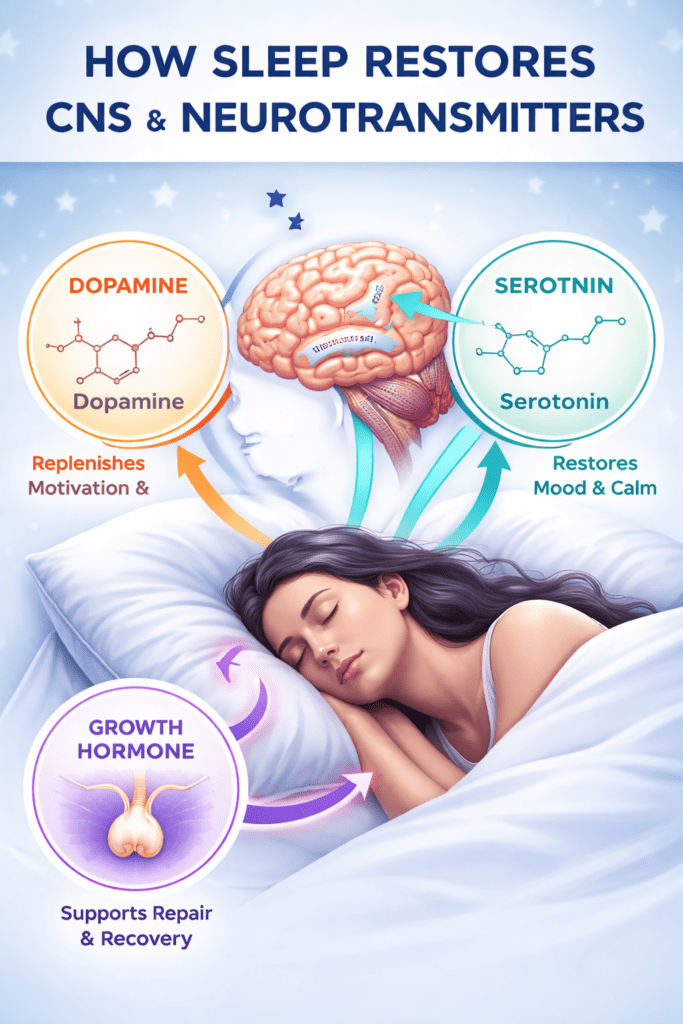
Quality sleep goes beyond rest—it restores your central nervous system and replenishes neurotransmitters like dopamine and serotonin while releasing growth hormone to repair tissues.
Fragmented sleep or micro-awakenings prevent this restoration, leaving you mentally and physically drained.
Many American office workers who sleep 7–8 hours still experience mid-morning or afternoon slumps due to interrupted sleep cycles.
Understanding the science behind this is crucial; according to the CDC – Sleep and Sleep Disorders, prioritizing sleep quality can dramatically improve daytime energy levels.
Biochemical Mechanisms Behind Daytime Fatigue
1. Neurotransmitters
- Dopamine: Governs motivation. Low stimulation and repetitive inactivity reduce dopamine, causing mental sluggishness.
- Serotonin: Affects mood and perception of tiredness. Poor sleep and stress reduce serotonin efficiency.
2. Hormones
- Cortisol: Declines in the afternoon; stress or poor sleep exaggerates the dip.
- Insulin: Blood sugar spikes after meals trigger insulin surges, lowering energy temporarily.
3. Circulatory and Muscular Systems
Reduced movement decreases oxygenation in tissues and brain. Muscles become less responsive, making even minor activity feel exhausting.
4. Sleep Quality Interaction
Deep sleep insufficiency or micro-arousals prevent proper neural recovery. Non-restorative sleep leaves the body mimicking chronic low energy even after hours of sleep. Learn more at Mayo Clinic – Fatigue.
Nutrition Timing and Meal Composition: Real Energy Triggers
Energy levels are heavily influenced by what and when you eat.
A high-carb lunch at 12:30 PM spikes blood sugar, followed by a rapid drop coinciding with the natural circadian dip, intensifying fatigue.

Low-protein meals limit amino acids required for neurotransmitter production, reducing motivation and alertness.
Incorporating a protein-rich snack, such as Greek yogurt or almonds, mid-morning or mid-afternoon stabilizes blood sugar and maintains dopamine levels.
Strategic meal timing ensures your brain and muscles stay energized throughout the day, as discussed by Mayo Clinic – Fatigue.
Common Lifestyle Triggers of Low Energy During the Day
- Sedentary Behavior: Desk jobs, binge-watching TV.
- Poor Hydration: Even mild dehydration reduces mental and physical performance.
- Nutrient Deficiencies: Iron, vitamin B12, vitamin D, magnesium.
- Sleep Debt: Shortened or fragmented sleep reduces restorative quality.
- Caffeine and Sugar Dependency: Temporary boosts followed by crashes.
- Chronic Stress: Cortisol dysregulation adds to daytime sleepiness.
- Environmental Factors: Poor lighting, air quality, and temperature worsen fatigue.
How Your Work Environment Can Drain Energy
Your office or home workspace can silently deplete your energy.
Dim or artificial lighting fails to stimulate your suprachiasmatic nucleus, leading to exaggerated afternoon fatigue.
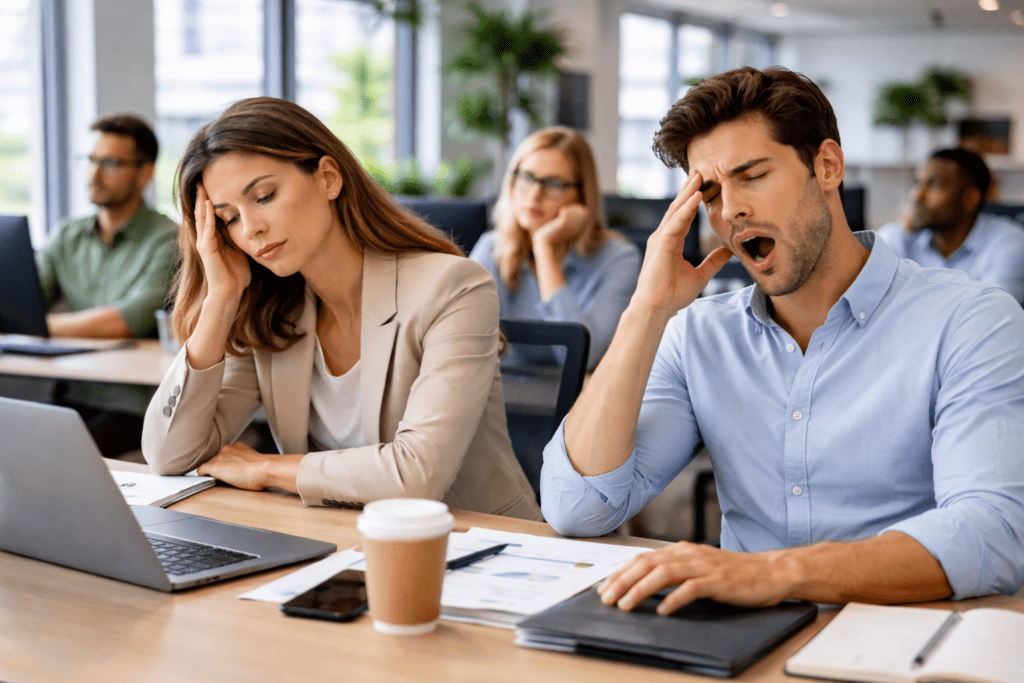
Noise pollution forces your brain to filter distractions, increasing cognitive load, while extreme temperatures trigger stress responses that raise cortisol, amplifying tiredness.
Many Americans in open-plan offices experience these effects daily. Simple adjustments, like optimizing natural light exposure, using noise-cancelling headphones, and maintaining comfortable temperatures, can prevent energy dips, as highlighted by the Sleep Foundation.
Stepwise Checklist Explaining Why Mid-Day Energy Drops and How to Fix It
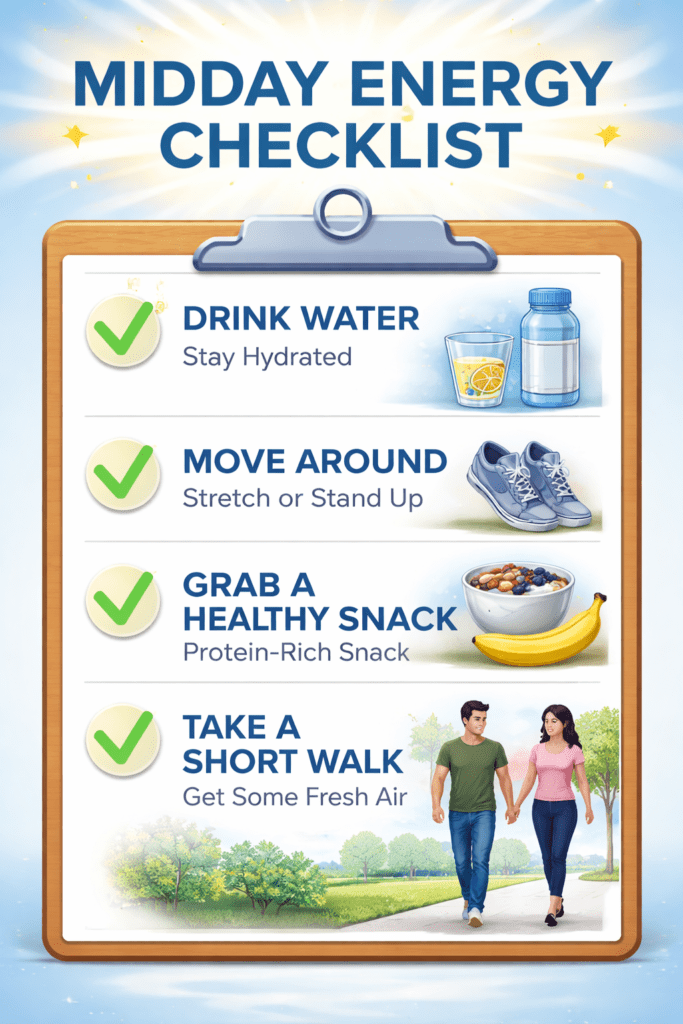
| Trigger | Biological Mechanism | Actionable Fix |
|---|---|---|
| Afternoon circadian dip | Cortisol drop | 10-min walk outdoors, sunlight exposure |
| Sedentary behavior | Reduced circulation | Stand up every hour, stretch, desk exercises |
| Blood sugar crash | Insulin spike | Protein-based snacks (almonds, Greek yogurt) |
| Dehydration | Reduced oxygenation | 12–16 oz water every 2–3 hours |
| Dopamine drop | Lack of stimulation | Short engaging task, 5-min creative break |
| Stress accumulation | Cortisol excess | 2–5 min mindfulness or breathing |
Still feeling drained by the afternoon?
If your energy crashes around 1–4 PM, don’t stop here. These next guides will help you fix the most common root causes, including hydration gaps, blood sugar dips, and habits that quietly drain focus.
Mental and Cognitive Consequences of Low Energy
Fatigue affects more than the body—it impacts cognitive performance.
Low energy decreases working memory, slows decision-making, and impairs attention span.

Many Americans report difficulty focusing after lunch, especially in office environments.
This mental drain results from reduced prefrontal dopamine activity and lower cerebral blood flow during sedentary periods.
Recognizing these effects allows targeted interventions, such as micro-movement breaks or short sunlight exposure,
Top 5 Energy Boosting Steps:
- Take a 10-minute walk or stretch every hour
- Hydrate consistently, 12–16 oz water every 2–3 hours
- Eat protein-based snacks to stabilize blood sugar
- Expose yourself to natural light mid-morning and early afternoon
- Practice 2–5 minutes of mindfulness or deep breathing
Daily Energy Protocol Tips:
- Balance meals with protein, complex carbs, and healthy fats
- Move or stand at least once per hour
- Limit caffeine after 2 PM
- Ensure 7–9 hours of high-quality sleep
- Keep sleep environment cool, dark, and quiet
A Practical Daily Energy Protocol
- Morning: 20-min sunlight or brisk walk, protein-rich breakfast, hydrate immediately
- Midday: Move every hour, balanced lunch with protein and complex carbs, hydrate consistently
- Afternoon Slump (1–4 PM): Step outside or do desk stretches, 2–5 min mindfulness, protein-based snack if blood sugar dips
- Evening: Limit caffeine after 2 PM, light walk or gentle exercise, begin wind-down routine 1–2 hrs before sleep
- Night: Keep sleep environment cool, dark, quiet, avoid screens 1 hr before bed, target 7–9 hours of high-quality sleep
Keeping a log of daily energy allows readers to implement and monitor strategies effectively.
| Time | Activity | Energy Level (1-10) | Notes |
|---|---|---|---|
| 7–9 AM | Wake up, sunlight exposure, protein breakfast | Morning alertness | |
| 10–12 PM | Work, short walk every hour | Productivity tracking | |
| 1–4 PM | Lunch, desk stretches, mindfulness | Afternoon slump notes | |
| 4–6 PM | Light exercise, protein snack | Pre-evening energy | |
| 7–10 PM | Dinner, wind-down routine | Evening alertness & sleep prep |
The Counterintuitive Practices That Truly Restore Daytime Energy
Too much inactivity mimics sleep deprivation. Even resting, your muscles, blood flow, and neurotransmitters need periodic stimulation to maintain energy balance. Short bursts of movement make you feel less tired, not more.
Counterintuitive Practices That Actually Boost Energy
Certain strategies work against intuition but produce dramatic energy improvements.

Short movement breaks (5–10 minutes walking) enhance alertness more effectively than a 20-minute nap by increasing cerebral oxygenation and dopamine release.
Timing caffeine to coincide with natural cortisol dips amplifies focus, while frequent small sips of water sustain plasma volume and prevent lethargy.
These practices target the biological and neurological mechanisms behind fatigue, rather than merely masking symptoms. Reference: Sleep Foundation – Managing Excessive Daytime Sleepiness.
Early Warning Signs That Indicate Your Daytime Fatigue is Serious
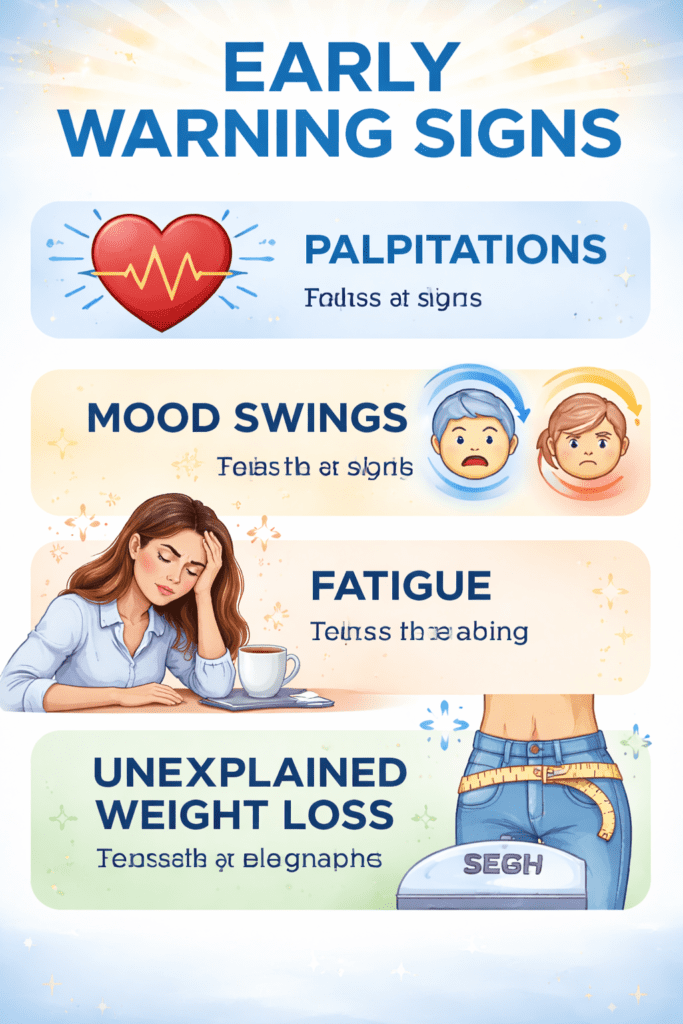
Persistent fatigue can signal underlying medical conditions.
Key warning signs include ongoing low energy despite adequate sleep, sudden weight loss or appetite changes, heart palpitations, shortness of breath, and mood disturbances.
These could indicate thyroid disorders, anemia, or other systemic issues.
Recognizing them early and consulting a healthcare professional prevents chronic fatigue and associated health complications. For a comprehensive overview of fatigue causes,
Why You Should Seek Medical Advice for Persistent Daytime Fatigue
Persistent low energy may indicate:
- Sleep apnea or insomnia
- Iron deficiency anemia
- Thyroid disorders
- Chronic fatigue syndrome or post-viral fatigue
- Depression or anxiety
Early testing prevents long-term consequences and optimizes energy management. For guidance, visit Sleep Foundation – Managing Excessive Daytime Sleepiness or CDC – Sleep and Sleep Disorders.
Take Charge of Your Energy and Focus
Daytime fatigue doesn’t have to control your life. By understanding the real causes—circadian dips, sleep quality, nutrition timing, hydration, and daily habits—you can take small, effective steps to restore alertness and maintain consistent energy.
Implementing these strategies not only helps you feel more awake but also improves focus, productivity, and mood throughout the day. Start with one change today and watch how it compounds over time.
Continue exploring practical energy-boosting tips in the sections above and get ready to apply them with our final actionable guide.
Build Better Energy, One Small Habit at a Time
Daytime fatigue usually does not come from one single mistake. It builds from sleep quality, hydration, meal timing, stress, and daily movement patterns. Start with one next step below and keep building from there.
- Wake Up Tired Even After 8 Hours
- Micro Habits to Boost Afternoon Energy
- Mentally Drained but Restless in the Afternoon
- Tired After Eating Lunch
- 3-Minute Posture Reset for Desk Workers
Frequently Asked Questions
Why do I feel alert in the morning but crash by early afternoon?
Morning alertness is usually supported by your natural cortisol peak, but circadian rhythm dips around 1–4 PM reduce alertness and energy, causing the mid-day slump. Adjusting sleep, nutrition, and micro-activities can counter this effect.
How does hydration influence my energy levels throughout the day?
Even mild dehydration can reduce blood volume and oxygen delivery to the brain, leading to fatigue. Drinking regular small amounts of water supports plasma volume, alertness, and focus.
Can small movements during work breaks really boost energy?
Yes. Short micro-movements (5–10 minutes) increase cerebral blood flow, oxygenation, and dopamine release, often more effective than caffeine or naps for mid-day energy restoration.
What types of snacks prevent the afternoon energy crash?
Protein-rich snacks such as Greek yogurt, almonds, or boiled eggs stabilize blood sugar and support neurotransmitter production, reducing post-lunch fatigue.
How does the work environment affect fatigue?
Dim lighting, extreme temperatures, and constant background noise increase stress hormone levels and cognitive load, making fatigue worse. Optimizing your workspace can prevent these energy drains.
Are there subtle early warning signs that my fatigue is serious?
Persistent low energy, unexplained weight changes, palpitations, or mood swings may indicate underlying health issues such as anemia, thyroid disorders, or chronic fatigue syndrome. Early recognition is key for intervention.
About This Content
This article was researched and written by healthcare content specialists with extensive experience in sleep science, nutrition, and workplace wellness.
All claims are based on up-to-date, authoritative sources including the CDC – Sleep and Sleep Disorders, Mayo Clinic – Fatigue, and Sleep Foundation – Managing Excessive Daytime Sleepiness.
The information is designed to empower readers with practical, science-backed strategies to restore energy during the day, improve focus, and maintain overall well-being. It adheres to the latest health content guidelines for accuracy, clarity, and reliability.
