A lot of people want to be healthier. They want more energy, better sleep, less stress, and habits that support daily life instead of making it harder. Yet even with good intentions, many healthy habits don’t last. Gym routines fade, meal plans get abandoned, and habits that once felt exciting slowly become overwhelming.

The issue isn’t motivation. It isn’t laziness. And it’s not a lack of self-control.
Most healthy habits fail because they are built for a perfect life—not a real one.
This article explains why common habits don’t stick and how to build healthy habits that actually fit everyday life, especially for busy adults balancing work, family, and responsibilities.
The Myth of the “Perfect” Healthy Routine
Health blogs and social media often present a polished version of wellness. Morning routines start at 5 a.m., meals are carefully planned, and every day includes workouts, meditation, and productivity rituals.
These routines may work for a small group of people, but they ignore real-life factors like stress, fatigue, limited time, and mental overload.
Habits built around perfection collapse under pressure. One missed day creates guilt—and guilt leads to quitting.
Healthy habits should support your life, not compete with it.
Why Motivation Alone Is Not Enough
Motivation feels powerful at the beginning of a new habit. But it fades quickly when life gets busy, sleep is poor, or stress increases.
Habits that rely on constant motivation rarely last. Habits that are simple, flexible, and forgiving do.
The goal isn’t to feel motivated every day.
The goal is to build habits that continue even when motivation disappears.
The Role of Energy in Habit Building

Energy is often ignored when people talk about habits. Many try to add new routines on top of already exhausting schedules.
When energy is low, everything feels harder—even simple tasks.
Instead of asking:
“What should I be doing?”
Ask:
“What can I realistically do on my lowest-energy days?”
Habits that survive low-energy days are the ones that stick long-term.
Start Smaller Than You Think You Should
One of the biggest mistakes is starting too big.
Small habits work because they reduce resistance and build confidence over time.
Examples:
- Five minutes of movement instead of a full workout
- One glass of water instead of a perfect hydration plan
- One balanced meal instead of a full diet overhaul
Consistency matters far more than intensity.
Habits Should Reduce Stress, Not Add to It
If a habit increases pressure, it won’t last.
Good habits:
- Fit naturally into your day
- Require minimal decision-making
- Feel supportive, not demanding
When habits feel natural, they become part of who you are—not another task to manage.
The Importance of Environment Over Willpower
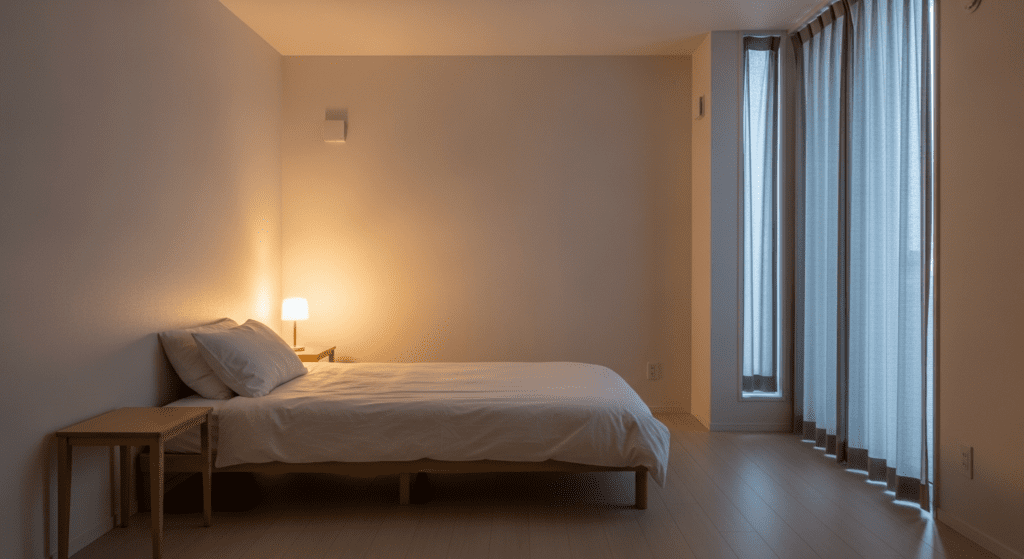
Willpower is unreliable. Environment works quietly and consistently.
Small changes make habits easier:
- Keeping water visible encourages hydration
- Preparing simple meals reduces decision fatigue
- Creating a calm evening space supports better sleep
When your environment supports your habits, you stop fighting yourself.
👉 Healthy Daily Routines for Busy Adults
https://everydayhealthplan.com/healthy-daily-routines-for-busy-adults/)
Why All-or-Nothing Thinking Kills Progress
Many people believe that if they can’t do something perfectly, it’s not worth doing at all.
This mindset destroys progress.
Missing one day doesn’t erase success.
Skipping a habit doesn’t mean failure.
Progress comes from returning—without guilt.
Build Habits Around What You Already Do
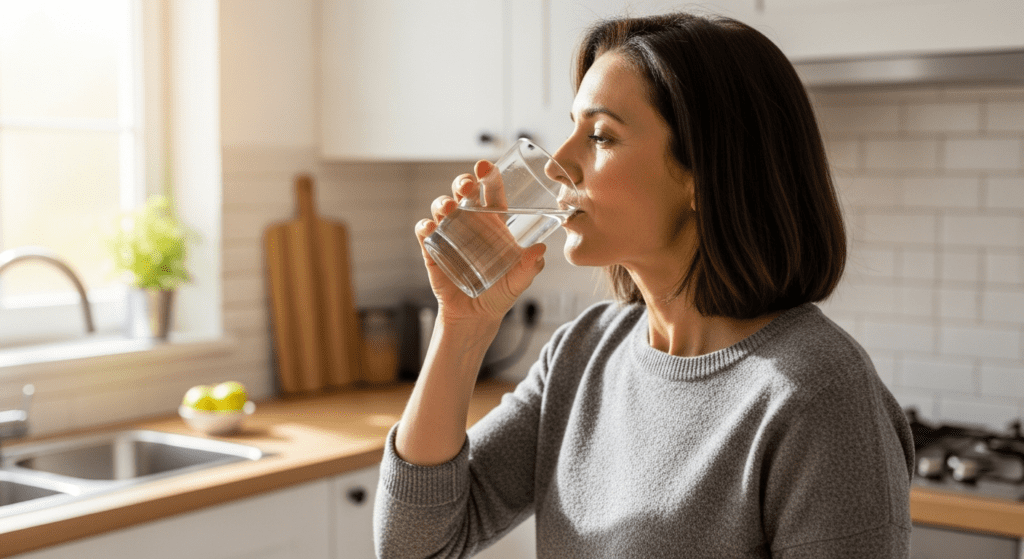
The easiest habits are attached to existing routines.
Examples:
- Stretch after brushing your teeth
- Take deep breaths before checking your phone
- Drink water while making coffee
This approach removes reminders and reduces mental effort.
Focus on Identity, Not Outcomes
Habits last longer when they’re tied to identity instead of results.
Instead of:
- “I want to lose weight”
- “I need more energy”
Shift to:
- “I take care of my body”
- “I value balance and rest”
Habits aligned with identity feel natural—not forced.
Flexibility Is the Secret to Long-Term Success
Rigid routines break easily. Flexible habits adapt.
Some days you’ll have time and energy. Others you won’t.
A flexible habit allows both.
A habit that works only on perfect days won’t last.
Let Your Habits Evolve With Your Life
What works today may not work next year—and that’s okay.
Changing habits as your schedule and priorities change is growth, not failure.
Health is not static. Your habits shouldn’t be either.
You Don’t Need More Discipline—You Need Better Design
Discipline is often praised, but design is what actually makes habits stick.
The best habits:
- Fit real life
- Respect your energy
- Reduce stress instead of adding to it
Design habits that work with your life—not against it.
Frequently Asked Questions About Healthy Habits
Why do most healthy habits fail?
Most healthy habits fail because they are built around perfection instead of real life. They require too much time, energy, or motivation to maintain consistently.
How long does it take to build healthy habits that stick?
There is no fixed timeline. Some habits feel natural in a few weeks, while others take longer. Consistency matters more than speed.
Should I focus on one habit or many at the same time?
It’s best to start with one small habit. Once it feels natural, you can slowly add another without feeling overwhelmed.
What if I miss a day or break my routine?
Missing a day doesn’t mean failure. Healthy habits are built by returning without guilt, not by being perfect.
Are small habits really effective?
Yes. Small habits are easier to maintain and often lead to long-term change because they fit naturally into daily life.
Do I need motivation to keep healthy habits?
No. The best habits work even when motivation is low because they are simple and well-designed.
Final Thoughts: Health Is Built One Small Choice at a Time
Healthy habits aren’t about doing more. They’re about doing what matters—consistently and sustainably.
You don’t need to change everything.
You don’t need someone else’s routine.
Start small. Stay flexible.
Build habits that support your life—one realistic choice at a time.
👉 Healthy Habits That Actually Stick
https://everydayhealthplan.com/healthy-habits-that-actually-stick/)
Ready to Build Healthy Habits That Stick?
Start small and stay consistent with a simple system designed for real life.
👉 Read Simple Daily Routines for Busy Adults