

Mark notices it almost every afternoon. After sitting at his desk for a few hours, his energy drops, his focus fades, and even simple tasks feel harder than they should. He slept fine the night before and ate lunch, yet he still feels drained.
If you feel tired after sitting too long, you’re not imagining it. Long periods of sitting slow circulation, reduce oxygen flow to muscles and the brain, and signal your body to enter a low-energy state. The good news? Small movement habits can restore energy in just a few minutes.
This guide explains why sitting causes fatigue and shows you simple ways to reset your energy during the day.
Why Sitting Too Long Makes You Tired
The human body is built for movement, not long periods of stillness. When you sit for extended periods, several biological changes happen.
- Blood circulation slows: Muscles in your legs normally help pump blood back to the heart when you move. When you remain seated, that pump becomes less active.
- Oxygen delivery decreases: Your brain depends on a steady oxygen supply to maintain alertness and focus.
- Muscle activity drops: Muscle inactivity slows metabolic processes that support energy production (Mayo Clinic).
Over time, this combination can make you feel sluggish, mentally foggy, and physically tired — even if you haven’t done anything physically demanding.
If you’re curious about the deeper science behind sitting fatigue, you can also read this detailed guide explaining why sitting too long makes you tired and how circulation, hormones, and metabolism influence energy levels.
The Low-Movement Energy Dip Explained
Energy isn’t just about sleep and food. It’s also about movement signals sent to your nervous system.
When your body stays still for too long, your brain interprets the situation as a low-activity period. Your alertness naturally decreases — similar to how you feel sleepy during long car rides or while watching TV for hours.
Your body conserves energy when movement is low — and long periods of sitting are linked with health risks and reduced circulation, according to Harvard T.H. Chan School of Public Health.
Signs You’ve Been Sitting Too Long
You may not notice how long you’ve been seated until symptoms appear.
Common signs include:
- Feeling sleepy without reason
- Tight hips or stiff legs
- Brain fog
- Reduced motivation
- Shoulder or neck tension
- Slower thinking
- Lower mood or irritability
These are not signs of laziness — they’re physical responses to inactivity. Your body is asking for movement.
Step-by-Step: How to Restore Energy After Sitting
You don’t need a gym or long workouts. A short reset routine is enough to wake up your body.
Step 1: Stand Up and Change Position (30 seconds)
The fastest way to interrupt fatigue is to stop sitting.
Stand up and straighten your posture. Roll your shoulders back and take a deep breath. Even brief posture changes activate muscles that were inactive while sitting.
Step 2: Walk for Two Minutes
Walking is one of the quickest ways to restore alertness.
Walk around your office, home, or hallway — even outside if possible. Two minutes is enough to improve blood flow. The CDC notes that short movement breaks reduce sedentary fatigue and improve circulation.
Link: small daily movement habits
Step 3: Stretch Your Largest Muscles (2 minutes)

Focus on muscles that tighten during sitting: hips, hamstrings, calves, chest, and shoulders.
Example stretches:
- Standing quad stretch
- Forward fold
- Chest opener stretch
- Shoulder rolls
Stretching signals your nervous system to become more alert.
Step 4: Drink Water
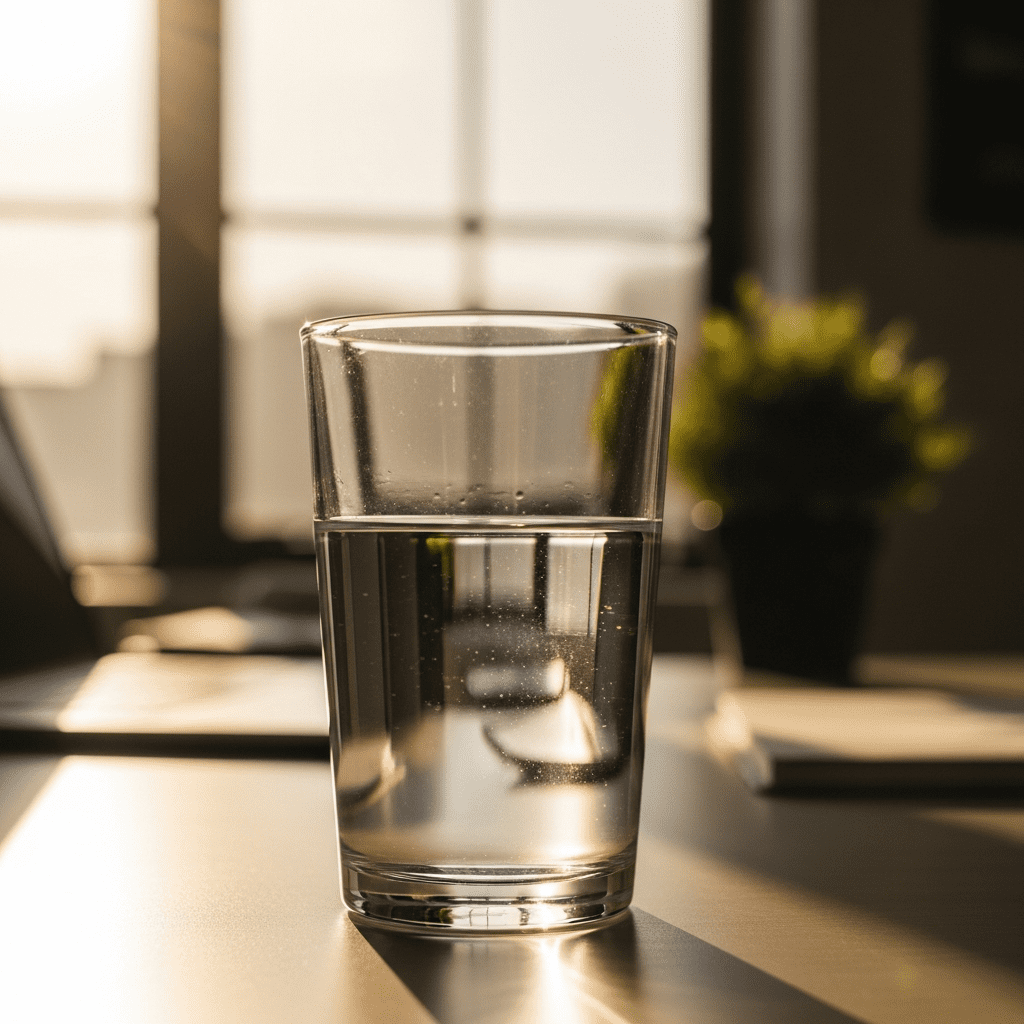
Mild dehydration can worsen fatigue. Drinking a glass of water supports circulation and energy regulation. The NIH explains that hydration plays a role in maintaining normal physical and cognitive function.
Step 5: Reset Your Breathing (1 minute)
Sitting often leads to shallow breathing.
Try this simple reset:
- Inhale slowly through the nose for 4 seconds
- Exhale slowly for 6 seconds
- Repeat 5 times
This increases oxygen intake and reduces tension. Many people feel more alert immediately.
Link: reset your breathing
Why Small Movement Breaks Work So Quickly
Energy recovery doesn’t require intense exercise. Small movements activate three important systems:
- Circulation
- Nervous system alertness
- Muscle engagement
Light movement increases heart rate slightly, improves oxygen delivery, and stimulates the brain — often more effectively than caffeine when fatigue comes from sitting.
Comparison: Sitting Continuously vs Movement Breaks
| Habit Pattern | Energy Level | Circulation | Focus |
|---|---|---|---|
| Sitting 3+ hours | Low | Reduced | Declines |
| 2-minute break hourly | Stable | Improved | Better |
| Standing + stretching | Higher | Active | Sharper |
Small breaks create big differences across the day.
Common Mistakes That Keep You Tired
Even people who try to fix desk fatigue sometimes miss key details:
- Waiting until exhaustion: Breaks work best before fatigue builds up.
- Replacing movement with coffee: Caffeine only temporarily boosts alertness.
- Sitting with poor posture: Slouching compresses the chest and reduces oxygen intake.
- Skipping hydration: Mild dehydration worsens fatigue.
- Thinking breaks must be long: Even 1–2 minutes is effective.
A Simple Daily Movement Habit That Works
Try this rule: Move for two minutes every hour you sit.
Examples:
- Walk to another room
- Stretch beside your desk
- Refill your water
- Stand while taking a call
Consistency beats intensity. Most people notice improved focus within a few days.
Link: prevent afternoon energy dips
The Science Behind Movement and Alertness

Muscles contain receptors that communicate with the brain when movement occurs. These signals regulate alertness, circulation, and metabolism.
When movement stops, signals decrease, slowing energy production. Mayo Clinic notes that prolonged sitting can slow metabolism and reduce muscle activity, which affects energy. Movement reverses these effects quickly.
How Desk Workers Can Prevent Afternoon Fatigue
Afternoon energy dips often result from:
- Sitting too long
- Reduced movement after lunch
- Mental fatigue
Prevention strategy:
- Short walks after meals
- Posture resets
- Hydration reminders
- Stretch breaks
- Standing periodically
These habits stabilize energy throughout the day.
Actionable Checklist: Desk Energy Reset
Use this checklist:
- Stand up at least once per hour
- Walk for two minutes
- Stretch hips and shoulders
- Drink a glass of water
- Take five slow breaths
- Reset posture
- Look away from screens briefly
Routine takes under five minutes but significantly improves energy.
Building the Habit Without Forgetting
Attach movement breaks to existing routines:
- Stand after sending emails
- Stretch after meetings
- Walk after lunch
- Refill water every hour
- Move when switching tasks
Habit stacking makes movement automatic, reducing the chance of long sitting periods.
Link: morning energy routines
When Sitting Fatigue Is Most Likely
Common scenarios:
- Long meetings
- Computer work sessions
- Studying or gaming
- Travel
- Office workdays
Recognizing patterns helps interrupt fatigue early. Energy problems often come from how long you sit, not workload intensity.
The Long-Term Benefits of Movement Breaks
Regular movement breaks support:
- Better circulation
- Reduced stiffness
- Improved focus
- More stable energy
- Better posture
- Reduced stress
Over time, these small habits add up, making workdays feel easier and more energized.

If you want an easy starting point, begin with small daily movement habits that fit naturally into your day. Small changes are easier to maintain than big routines.
Frequently Asked Question
Q1: Why do I feel tired after sitting for a long time?
A1: Sitting for long periods slows blood flow and reduces oxygen delivery to your brain and muscles. This triggers fatigue, brain fog, and reduced focus. Taking short movement breaks, stretching, and drinking water restores alertness quickly.
Q2: How long should I stand or walk to fix sitting fatigue?
A2: Even 2–3 minutes of walking or stretching every hour is enough to restore energy. Regular short breaks improve circulation and alertness better than a single long workout.
Q3: Can posture affect energy levels while sitting?
A3: Yes. Poor posture compresses the chest and reduces breathing efficiency, lowering oxygen intake. Straightening your back and opening your chest improves alertness and prevents fatigue.
Q4: Will drinking water help me feel less tired at my desk?
A4: Mild dehydration can worsen fatigue. Drinking a glass of water helps maintain circulation and brain function, boosting energy levels without needing caffeine.
Q5: Are short stretching breaks enough to prevent afternoon energy crashes?
A5: Absolutely. Even 2-minute stretches every hour improve circulation, relieve stiffness, and prevent energy dips. Consistency matters more than duration.
Q6: Can small movement breaks replace coffee for energy?
A6: Yes. Short movement breaks address the root cause of sitting fatigue by stimulating muscles, circulation, and nervous system alertness. Coffee only provides temporary alertness, while movement restores energy sustainably.
Trust Notice & Medical Disclaimer
This article is for informational purposes only. It provides practical tips on energy management and movement habits for adults. It is not medical advice. Consult a healthcare professional for personal health concerns. Sources include Mayo Clinic, Harvard Health, and NIH for accuracy and reliability.
Boost Your Desk Energy in Just 2 Minutes!
Stand up, stretch, or take a short walk — small habits add up fast. Stay hydrated and reset your posture throughout the day.
