
What are quick morning habits to boost energy?
These are simple 1-3 minute routines done right after waking—like drinking water, light exposure, and protein—that hydrate, move blood flow, and steady blood sugar for all-day alertness without caffeine crashes. Perfect for busy US adults facing 9-5 grinds.
7 Quick Morning Habits in Order:
- Drink 16 oz water first (flushes toxins, revs metabolism).
- Get 2 min natural light (resets circadian rhythm).
- Do 3 min full-body stretches (pumps oxygen to brain).
- Eat 10-15g protein snack (stabilizes blood sugar).
- Take 10 deep belly breaths (clears mental fog).
- Make bed in 30 sec (dopamine win for momentum).
- List top 3 priorities (focuses boosted energy).
Why These Habits Work Fast:
- Hydration wakes cells after overnight loss [NIH].
- Light boosts serotonin naturally [Mayo Clinic].
- Protein prevents 10 AM crashes.
- Total time: Under 15 min for busy schedules.
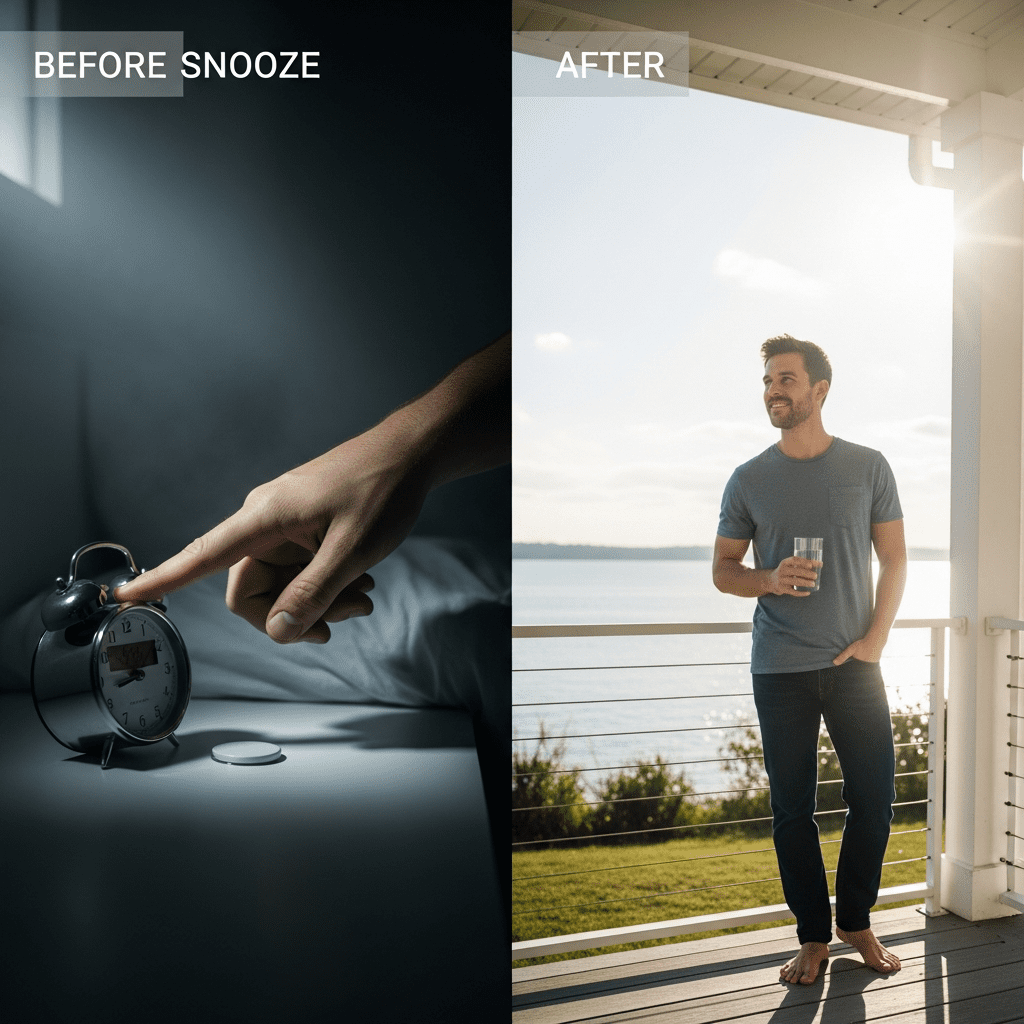
It’s Tuesday morning, and you’re hitting snooze in your busy suburban home. The alarm is going off, and you already dread that familiar mid-morning crash that happens right before your first Zoom meeting. You have kids to get ready, a long commute ahead, or a lot of emails to answer. The last thing you need is to feel like a zombie until lunch. The good news is that quick morning habits boost energy naturally, helping busy adults like you get through the day with steady focus and no caffeine crash before 9 AM.
These aren’t hard workouts at the gym or costly supplements. We’re talking about simple, doable things that anyone can do in 15 minutes or less, based on daily habits that health experts say work for real people with real lives. These habits focus on hydration, light movement, and mindset shifts to kickstart your metabolism and clear your head. They work for parents dropping kids at school, office workers battling traffic, or remote folks in pajamas. Try one or two this week, see how you feel by noon, and build for lasting results.
Why Quick Morning Habits Boost Energy Before Coffee
These habits target your body’s natural energy systems: hydration restarts digestion, light syncs hormones, protein fuels steadily. Skip them, and dehydration or sugar dips tank you by 10 AM. Thousands of busy pros use variations daily for sharper focus—science backs it without fancy gear.
If sleep struggles hit hard, our guide on daily healthy habits without overwhelm pairs perfectly to extend that energy.
Drink 16 Ounces of Water First Thing
Right after your feet hit the floor, grab a bottle and chug 16 ounces (that’s two standard glasses) of room-temperature water. Your body naturally dehydrates overnight through breathing, light sweat, and not drinking for 8 hours, leaving cells sluggish and your brain in low-power mode. This quick water hit flushes out overnight toxins from your liver and kidneys, revs your metabolic rate by up to 30% within the hour [NIH], and sends a wake-up signal straight to your brain’s alertness centers. revs your metabolic rate by up to 30% within the hour, and sends a wake-up signal straight to your brain’s alertness centers [NIH].
Why room temperature? Cold water can slow digestion temporarily for some. Keep a 32-oz bottle by your bedside charger—fill before bed. One Chicago mom does this while brushing teeth; by 8 AM, she’s mapping her day instead of fumbling for coffee. Plain water absorbs fastest—skip juices that spike sugar.
Get 2 Minutes of Natural Light Exposure
Step onto your porch, balcony, or yank open blinds for two full minutes of morning sunlight. Even overcast Seattle or Chicago winter days deliver—this light hits eyes and skin, resetting your circadian rhythm [Mayo Clinic]. It triggers healthy cortisol for alertness, boosts serotonin against grogginess, and shifts your pineal gland from sleep to go-mode [Mayo Clinic].
No sunglasses here—direct eye contact (safely) is key. A sales rep sips water from Habit 1 while watching the neighborhood stir. Studies cut “sleep inertia” (zombie fog) by half, delivering steady energy sans caffeine jitters.
Do a 3-Minute Full-Body Stretch Routine
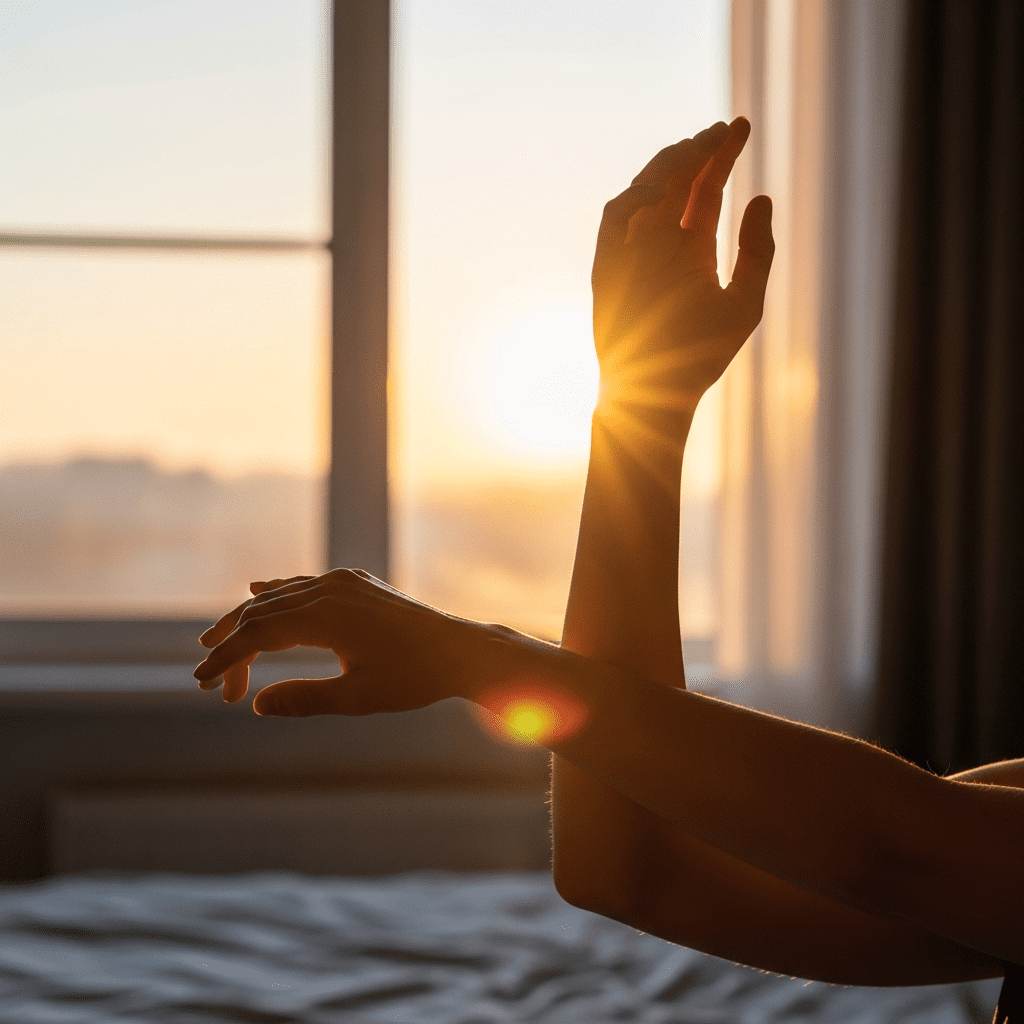
Standing in kitchen or bedroom—no mat or yoga gear. Do 30 seconds arm circles (forward/back), neck rolls side-to-side, toe-touch forward bends, wall calf stretches. These pump fresh blood to muscles, brain, organs; release endorphins while easing overnight stiffness.
Busy dads slot it into kids’ cereal time—zero added hassle. One desk warrior ended chronic back tension, lightening his whole morning. Stretch slow, breathe deep—rushing misses the cell-fueling oxygen boost.
Eat a Small Handful of Protein First
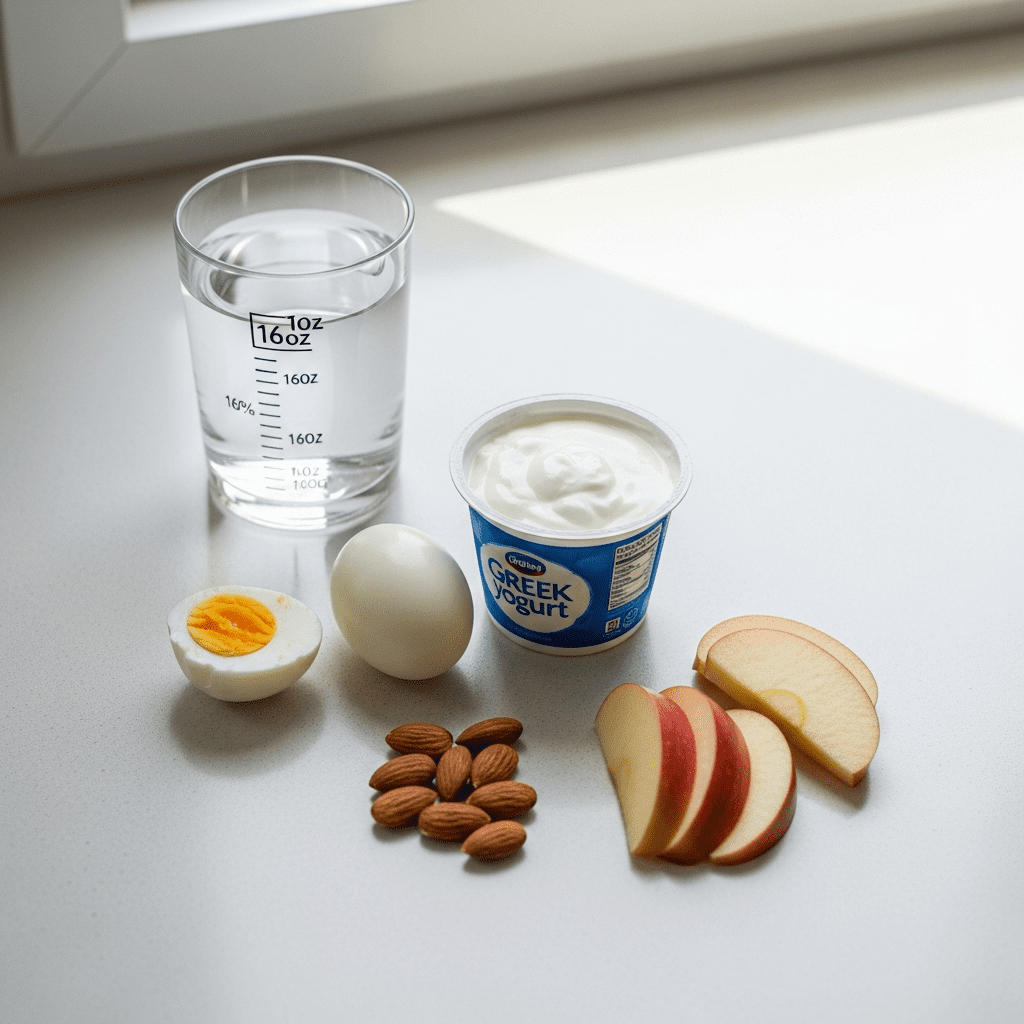
Within 30 minutes of waking: 10-15g protein via hard-boiled egg (peel quick), 5 oz plain Greek yogurt, 1 oz almonds (20 nuts), or string cheese. Protein steadies blood sugar, dodging 10 AM crashes from carb/coffee skips; kickstarts muscle repair from yesterday’s tension.
Add berries/apple slice for fiber—ditch sugary cereals, pastries, juices (rapid spike/drop). Texas remote worker mixes yogurt-chia; laser focus through meetings. Doubles sustained energy vs. carb starts.
Practice 10 Deep Belly Breaths
Bed edge or window, hands on belly: Nose inhale 4 counts (belly expands), hold 4, mouth exhale 6. x10—90 seconds max. Oxygenates cells, drops excess cortisol from stress dreams, clears fog via parasympathetic activation.
Phone down, breath only. Commuters hit it at red lights—calmer, sharper arrivals. Mini-meditation for nurses/teachers pre-shift; huge for emotional steadiness.
Make Your Bed in 30 Seconds
Smooth sheets, fluff pillows—done. Tiny win sparks dopamine (reward chemical), cuts visual stress clutter, commits you psychologically to structure. Navy SEALs build discipline this way; civilians get mood lifts sans boot camp.
Test three days—one client curbed afternoon procrastination. Gateway habit that glues the rest.
Jot Down Your Top 3 Priorities
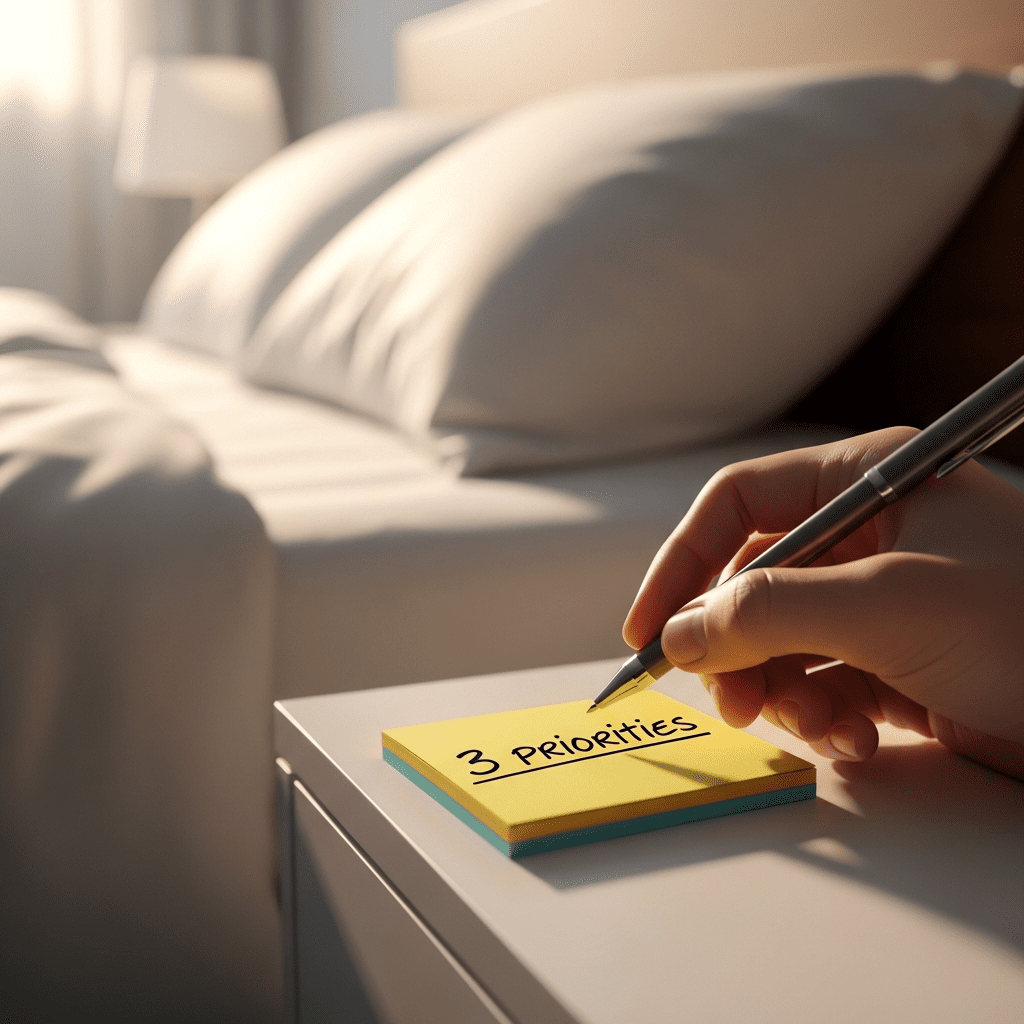
Sticky note, app, whiteboard: Three actionable must-dos like “Email Q1 report” (not “Work on project”). Offloads mental RAM, hones focus amid chaos, directs your energy boost. Lunch review/adjust.
Freelancer ended “where to start” paralysis. Realistic only—no overloads.
Common Morning Energy Mistakes to Avoid
Rushing sans water = dehydrated fog (top killer). HIIT jumps burn reserves too fast for normals. Protein skip for toast/muffins crashes blood sugar by 10 AM. Email/news first = stress dopamine flood. Inconsistent weekends kill formation—stick daily.
For evening wind-downs that amplify mornings, see 10 simple evening habits to improve sleep.
Actionable Morning Energy Checklist
Daily tracker—print/save:
- 16 oz water chugged (5 min post-wake)
- 2 min natural light (porch/window)
- 3 min stretches (arms/neck/legs)
- 10-15g protein (egg/yogurt/nuts)
- 10 deep breaths (4-4-6)
- Bed made (30 sec win)
- Top 3 priorities (action phrases)

Read this next:
People Also Ask (FAQs)
How long until I feel more energy from morning habits?
Most notice steadier focus by day 3-5 as hydration and light reset rhythms. Protein prevents crashes fully by week 1. Track noon energy—busy adults often double ratings in 7 days with consistency.
Can I do these habits if I wake up late for work?
Yes—stack in 10 min total. Water + light + breaths fit any rush; add stretches/protein at desk. Commuters swear by car versions for red lights.
What if I hate drinking water first thing?
Start with 8 oz, sip over 5 min. Infuse lemon (no sugar) for taste—still hydrates fast. Chicago mom eases in while brushing; full 16 oz becomes easy.
Do these replace coffee entirely?
No—they delay/prevent crashes so coffee (post-9 AM) sustains better. Many cut to 1 cup, feeling jitter-free.
Which habit boosts energy most for beginners?
Water + protein duo—combats dehydration/sugar dips directly. Add light next for hormone sync.
Is natural light safe in winter/short days?
Absolutely—even cloudy delivers. Open blinds or porch step; eyes absorb enough to cut fog 50%.
How much protein exactly for energy boost?
10-15g: 1 egg (6g), 5 oz yogurt (12g), 20 almonds (6g). Prevents 10 AM dips without fullness.
Can kids/Teens do these habits too?
Yes—simplify: Water, light, quick stretch. Builds family routines; parents report calmer school mornings.
What if stretches hurt my back?
Gentle only—no forcing. Skip bends, do arm circles/wall calf. Builds flexibility over weeks safely.
Everyday Health Plan shares practical wellness tips based on established sources like NIH and Mayo Clinic. Not medical advice—consult a doctor for personal health concerns.
