
You’re standing in the kitchen, the fridge door open, not really hungry but reaching in anyway. It’s been a long day. Your brain feels loud. Food feels like the fastest way to quiet it down. You tell yourself you’ll just have a little, but a few minutes later you’re eating without tasting, already wondering if you should feel guilty.
This is emotional eating. And for many people, it happens even when they’re trying to “eat healthy.”
The good news is this: learning how to stop emotional eating does not require strict rules, food tracking, or cutting out comfort foods. In fact, those often make it worse. What actually helps is understanding how emotional eating works in real life and building small habits that interrupt the pattern without adding stress.

This practical guide is designed for everyday life — the same approach you’ll find across Everyday Health Plan.
What Is Emotional Eating and Why Does It Happen?
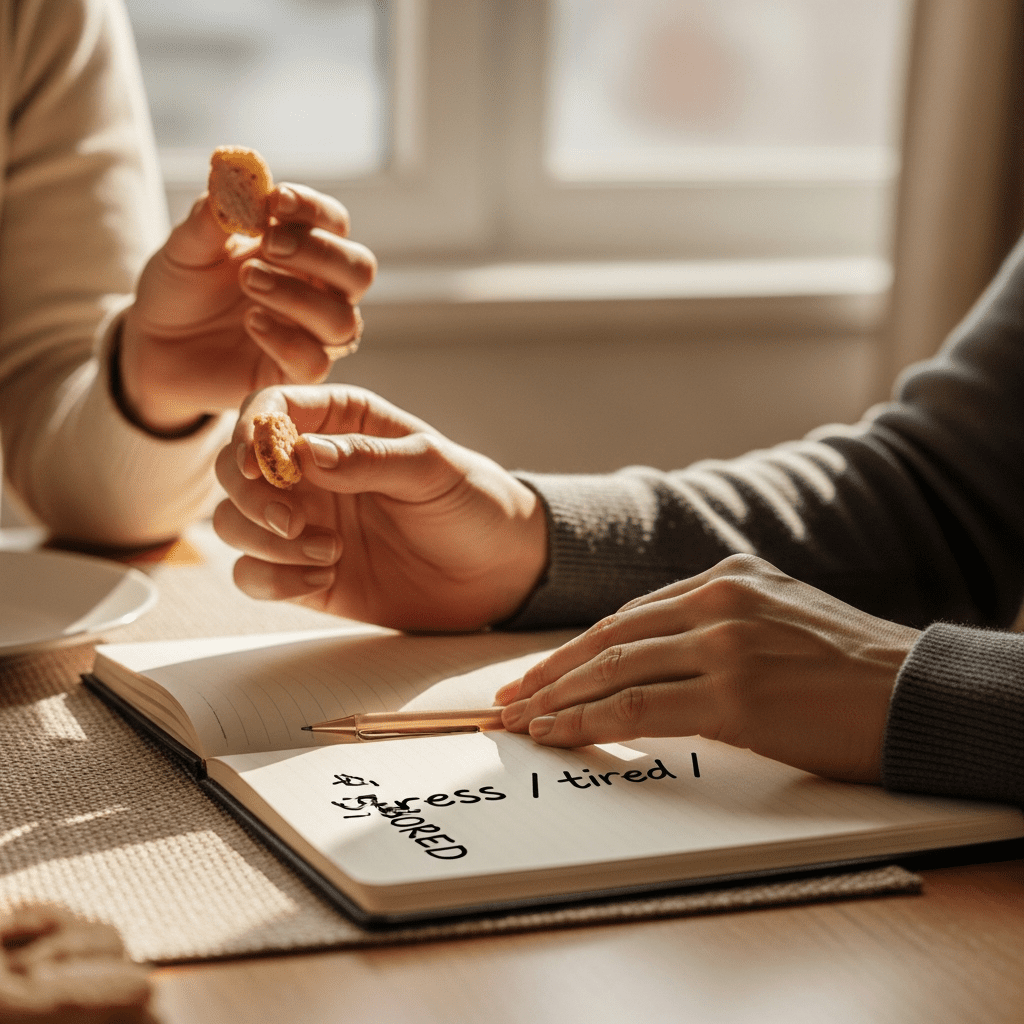
Emotional eating is eating in response to feelings rather than physical hunger. Stress, boredom, loneliness, fatigue, or feeling overwhelmed are common triggers.
Food provides quick comfort. According to the American Psychological Association, stress can strongly influence eating behaviors because it activates reward pathways in the brain.
👉 https://www.apa.org/topics/stress/eating
Over time, your brain associates food with relief — even when your body doesn’t need energy.
Is Emotional Eating a Lack of Willpower?
No. Emotional eating is not about being weak or undisciplined.
It’s a learned coping response.
When food is the fastest and easiest comfort tool available, your brain will choose it. Research from Harvard Health explains that emotional eating is often driven by habits and emotional regulation, not lack of control.
👉 https://www.health.harvard.edu/staying-healthy/why-we-eat-when-were-not-hungry
Trying to “be stricter” usually increases pressure — and pressure fuels emotional eating.
Why Do Restrictive Diets Make Emotional Eating Worse?
Strict diets promise control, but emotional eating thrives on restriction.
Restriction backfires because it:
- Increases food obsession
- Adds guilt and shame to eating
- Removes flexibility during stressful moments
- Leads to rebound eating after one “mistake”
Studies consistently show that rigid dieting increases the risk of binge and emotional eating behaviors.
👉 https://www.ncbi.nlm.nih.gov/pmc/articles/PMC5764193/
Reducing emotional pressure works better than adding food rules.
How Can You Tell the Difference Between Hunger and Emotional Eating?
You don’t need complicated tracking or rules. Just a gentle pause.
Ask yourself:
“If this food disappeared, would I still want to eat something?”
- Yes → likely physical hunger
- No → emotion is probably driving the urge
This simple awareness step is recommended in mindful eating approaches supported by nutrition researchers.
👉 https://www.hsph.harvard.edu/nutritionsource/mindful-eating/
What Is the Best First Step to Stop Emotional Eating Gently?
Build a pause habit, not a rule.

Even a small pause reduces automatic behavior:
- Take three slow breaths
- Sit down instead of eating while standing
- Drink a glass of water
- Wait two minutes before opening a snack
Slowing the moment reduces emotional intensity and gives your brain space to respond differently.
What Can You Do Instead of Emotional Eating?
If food is your only comfort tool, your brain will keep using it.

You don’t need to remove food as comfort — you need more options.
Helpful alternatives:
- Sitting quietly with a warm drink
- Stepping outside for fresh air
- Gentle stretching
- Writing one sentence about how you feel
- Listening to calming music
Behavioral research shows that adding alternative coping strategies reduces reliance on food for emotional regulation.
👉 https://www.ncbi.nlm.nih.gov/pmc/articles/PMC5764193/
How Does Your Eating Environment Affect Emotional Eating?
Environment matters more than motivation.
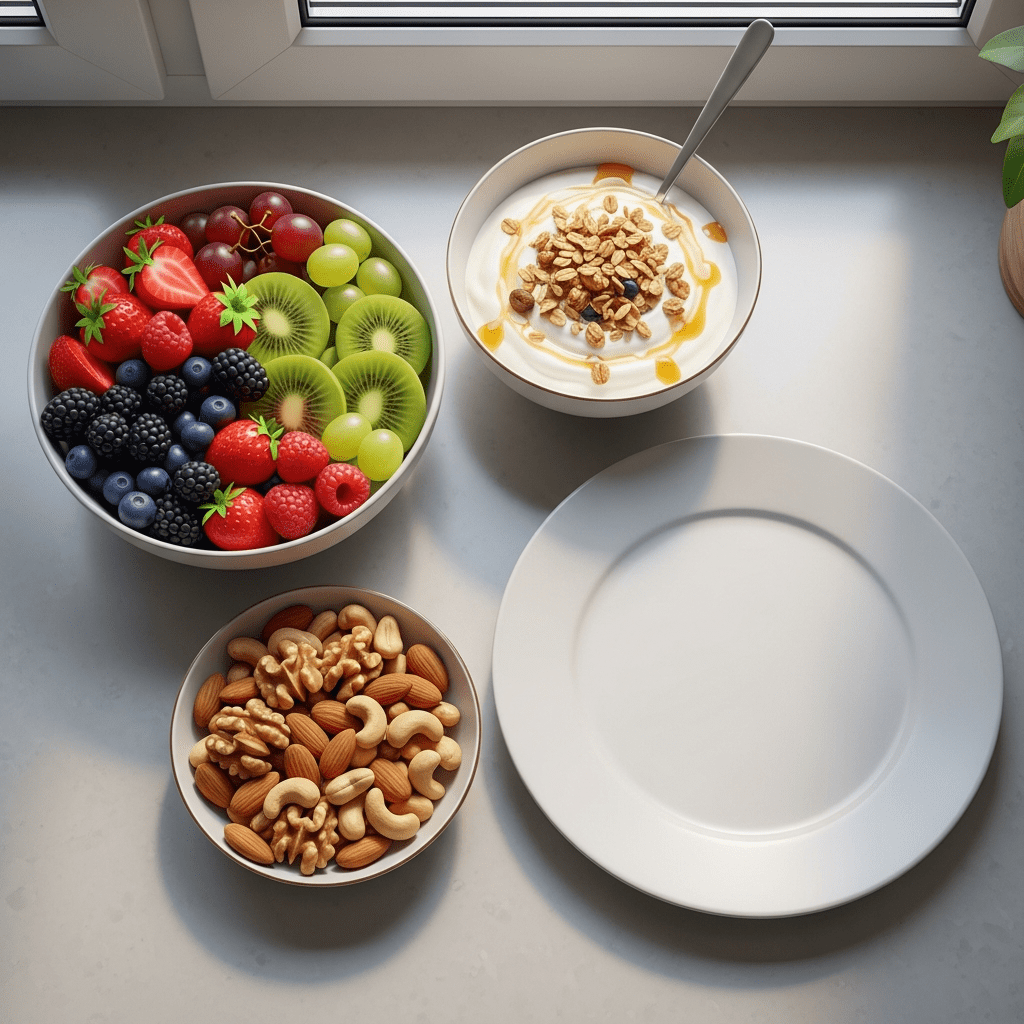
Most emotional eating happens because food is:
- Visible
- Convenient
- Associated with emotional moments
Simple changes help:
- Keep snacks out of direct sight
- Eat at a table instead of the couch or bed
- Use a plate instead of eating from the package
- Avoid eating straight from the fridge
Small barriers slow eating just enough for awareness to kick in.
Does Skipping Meals Increase Emotional Eating Later?
Yes. Skipping meals increases emotional vulnerability.

When your body is under-fueled:
- Emotions feel stronger
- Cravings feel urgent
- Self-control feels weaker
Consistent meals help regulate appetite hormones and emotional responses, as explained by Cleveland Clinic.
👉 https://health.clevelandclinic.org/what-is-emotional-eating/
How Can Removing Food Guilt Help Stop Emotional Eating?
Labeling food as “good” or “bad” adds emotional weight.
Emotion + food = emotional eating.
Neutral language helps:
- “I’m choosing this.”
- “This food feels comforting.”
- “This isn’t helping right now, and that’s okay.”
Removing guilt reduces the urge to soothe emotions with more food.
What Should You Do After an Emotional Eating Episode?
Emotional eating will still happen sometimes. That’s normal.
When it does:
- Don’t punish yourself
- Don’t restrict afterward
- Don’t spiral into rules
Instead, reflect gently:
- What emotion was I trying to handle?
- What might help next time?

This approach aligns with evidence-based behavior change models.
👉 https://www.apa.org/monitor/2018/02/behavior-change
What Does Healthy Progress Actually Look Like?
The goal isn’t to never emotionally eat again.
Real progress looks like:
- Less guilt
- Shorter episodes
- More awareness
- Faster recovery
That’s sustainable change — the kind encouraged throughout Everyday Health Plan.
Frequently Asked Questions
How do I stop emotional eating without dieting?
You stop emotional eating without dieting by reducing emotional pressure, building pause habits, and adding non-food coping tools. Restriction increases guilt and stress.
Why do I eat when I’m not hungry?
You eat when you’re not hungry because food provides emotional relief from stress, boredom, or fatigue, not because your body needs energy.
Can emotional eating go away completely?
Emotional eating usually doesn’t disappear completely, but it can become less frequent, less intense, and easier to manage.
What is the fastest way to stop emotional eating urges?
The fastest way is slowing the moment — pausing, breathing, or changing your environment reduces urgency.
Is emotional eating unhealthy?
Emotional eating itself isn’t unhealthy. The harm comes from guilt, shame, and repeated loss-of-control cycles.
Why do restrictive diets trigger emotional eating?
Restrictive diets increase pressure and food obsession, which makes emotional eating more likely when rules break.
Small reminder: focus on one gentle habit this week instead of trying to fix everything at once.
If emotional eating feels familiar, start with small awareness steps and gentle habits that reinforce consistency. Explore more everyday health and lifestyle tips at Everyday Health Plan to build routines that fit your life.
